
Media Monitor
Fear of US sanctions behind delay in assigning Maliki, coalition figure says
BAGHDAD — A senior figure in the Reconstruction and Development Coalition said Tuesday that delays in resolving Iraq’s government formation crisis stem from reluctance to assign former Prime Minister Nouri al-Maliki as prime minister, citing fear of U.S. sanctions.
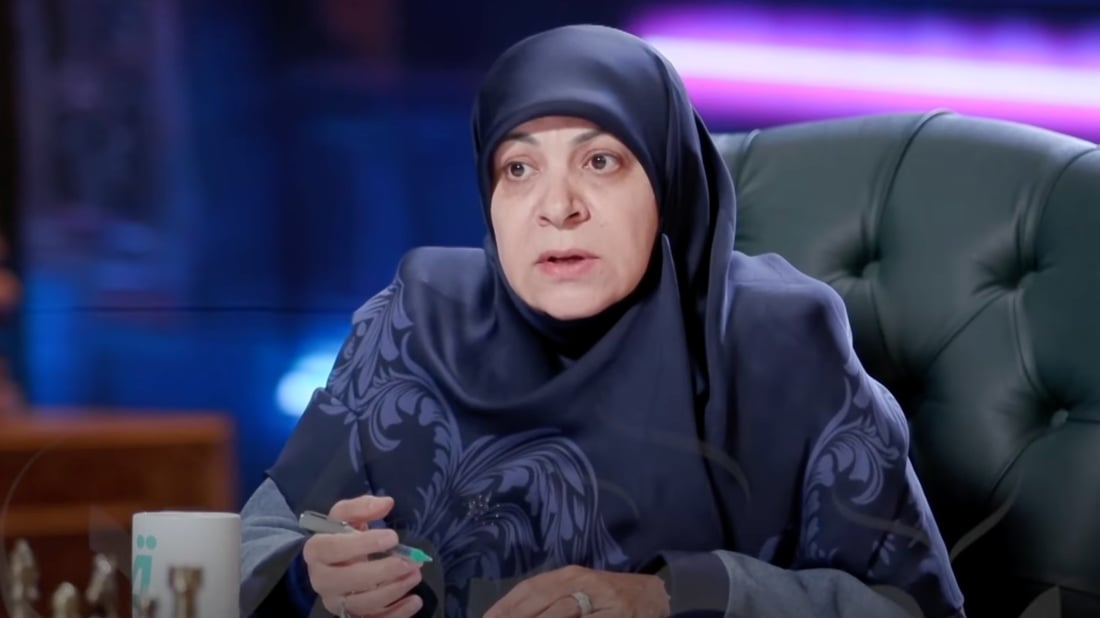
“Part of the delay in resolving the presidency file is the reluctance to assign Mr. al-Maliki, out of fear of sanctions,” Hanan al-Fatlawi told Al Rabiaa TV. “The threats are clear and explicit — placing individuals under sanctions, sanctions related to the Central Bank, SOMO, the Federal Reserve, the Treasury, our oil, our money, personalities, banks and others.”
Al-Fatlawi said Kurdish parties’ historically close ties with Washington are likely fueling hesitation over assigning Maliki. “Regardless of whether the winning candidate comes from the PUK or the KDP, do you expect he would not be assigned? My assumption is that there is hesitation in assigning him.”
She also revealed that the agreement between Prime Minister Mohammed Shia al-Sudani and Maliki was brokered at her home. “The matter began with a visit from Mr. Yasser al-Maliki in his capacity as a representative of the State of Law coalition, while I represented Reconstruction and Development,” she said. A separate candidate from the Hikma and Asaib axis had initially been expected to be announced, but the meeting at her home led to Sudani’s withdrawal and endorsement of Maliki, after which Badr joined the alliance, bringing its representation within the Coordination Framework to 120 lawmakers.
Despite the impasse, al-Fatlawi said her coalition remains committed to Maliki’s nomination. “We are committed to our alliance with our brothers in the State of Law coalition and are moving forward with them. We are also committed to our nomination of Mr. al-Maliki, and nothing has come from us regarding withdrawing or retreating from his nomination.”
Under Iraq’s constitution, parliament must elect a president before the president designates a prime minister. The presidency, traditionally held by a Kurdish politician, remains unresolved. The Kurdistan Democratic Party and Patriotic Union of Kurdistan have yet to agree on a unified candidate, though senior Kurdish leader Hoshyar Zebari described a “positive atmosphere” in talks between KDP leader Masoud Barzani and PUK leader Bafel Talabani. Zebari also said it would be “difficult” for the next president to assign Maliki “unless the international situation changes.”
At its Feb. 23 meeting, the Coordination Framework called on “the two major Kurdish parties to resolve the issue of the presidency,” while making no reference to Maliki’s stalled nomination.
President Donald Trump warned after Maliki’s nomination that Washington may halt support for Iraq if he returns to power. Iraq’s Foreign Ministry later said a U.S. message included “a clear and explicit hint of the possibility of imposing sanctions on certain individuals and institutions” if the framework proceeds with his appointment.
Some excerpts of Al-Fatlawi’s interview on Al Rabiaa TV:
Part of the delay in resolving the presidency file is the reluctance to assign Mr. al-Maliki, out of fear of sanctions. The threats are clear and explicit — placing individuals under sanctions, sanctions related to the Central Bank, The State Oil Marketing Organization (SOMO), the Federal Reserve, the Treasury, our oil, our money, personalities, banks and others. The threats are clear. Therefore, throughout their political history, the Kurds have maintained good relations with the United States. Regardless of whether the winning candidate comes from the Patriotic Union of Kurdistan (PUK) or the Kurdistan Democratic Party (KDP), do you expect he [Maliki] would not be assigned? My assumption is that there is hesitation in assigning him.
The initial agreement between Mr. al-Sudani and Mr. al-Maliki took place in my home. The matter began with a visit from Mr. Yasser al-Maliki in his capacity as a representative of the State of Law coalition, while I represented Reconstruction and Development. It was supposed to be announced the next day that a candidate for prime minister — other than al-Sudani and al-Maliki — from the other axis (Hikma and Asaib) would be named. We arranged a meeting between Mr. al-Sudani and Mr. al-Maliki. After that, Mr. al-Sudani’s withdrawal was presented to the Coordination Framework, and Badr joined us, bringing our representation within the Coordination Framework to 120 lawmakers.
We are committed to our alliance with our brothers in the State of Law coalition and are moving forward with them, unless something comes from their side. We are also committed to our nomination of Mr. al-Maliki, and nothing has come from us regarding withdrawing or retreating from his nomination.