
Water reuse initiative
UN hands over wetland project in Dhi Qar to treat wastewater, benefit 30,000 residents
DHI QAR — The International Organization for Migration and the U.N. Environment Programme, in coordination with Iraqi authorities, have handed over a newly constructed wetland project in Dhi Qar designed to address pollution and drought while benefiting about 30,000 residents.
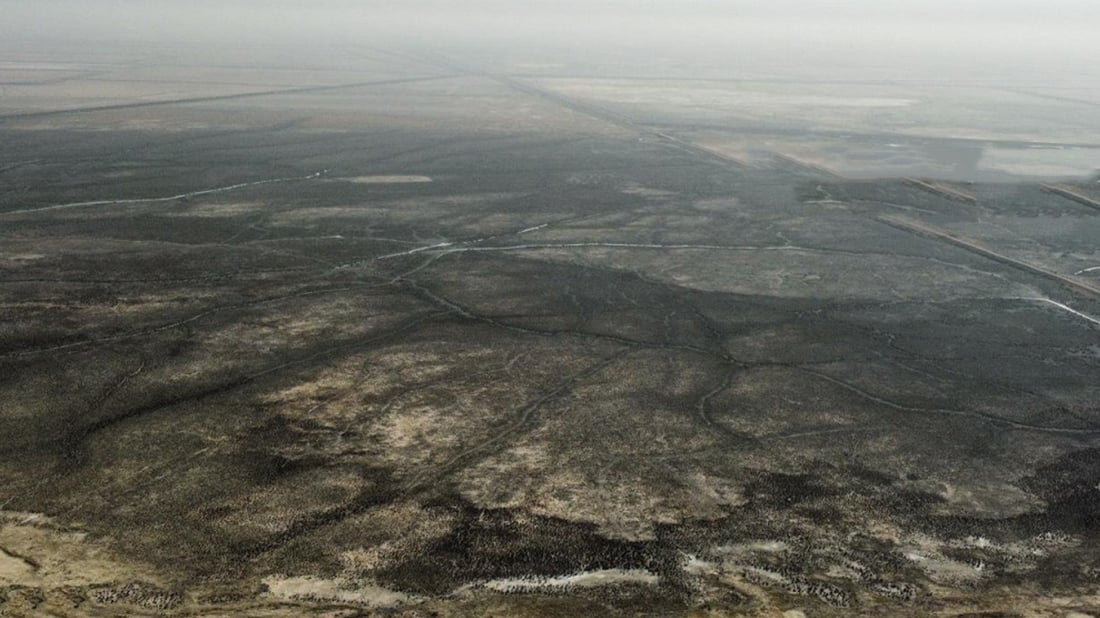
The project provides wastewater treatment through a nature-based system aimed at supporting climate adaptation, pollution control and biodiversity preservation in Iraq’s southern region, which faces prolonged drought, desertification and water scarcity.
Representatives from IOM and UNEP joined officials from the Ministry of Water Resources, the Dhi Qar governor’s office and the Dhi Qar Directorate of Sewerage for the handover ceremony, transferring responsibility for operation and maintenance to national authorities.
“The Islah constructed wetland is a simple, cost-effective solution that improves water quality and protects public health,” said Aoun Diab Abdullah, Iraq’s minister of water resources. “The ministry supports expanding such nature-based solutions to improve our water security and protect our natural resources.”
Southern Iraq has faced mounting environmental pressures linked to population growth and climate change, with untreated sewage often discharged into rivers and marshlands, affecting public health and livelihoods.
The wetland, implemented with support from the Swedish International Development Cooperation Agency, treats up to 4,000 cubic meters of wastewater per day through sedimentation and natural filtration in reed beds before releasing treated water into marsh areas.
“Climate and environmental pressures are already affecting livelihoods across southern Iraq, forcing many families to consider leaving their homes,” said Pascal Reyntjens, IOM Iraq chief of mission. “Scalable nature-based solutions like this help communities build climate resilience, giving people a real choice to stay and sustain their livelihoods rather than being forced to move.”
Monitoring results indicate reductions in pollutants and pathogens, with improvements in water quality and support for aquatic life.
The project aligns with Iraq’s national water management priorities, offering a model for smaller towns and rural areas where conventional wastewater infrastructure can be costly or difficult to maintain.