
Revenue gap widens
Observatory: Iraq spends $400 million per month on electricity, collects less than $1 million
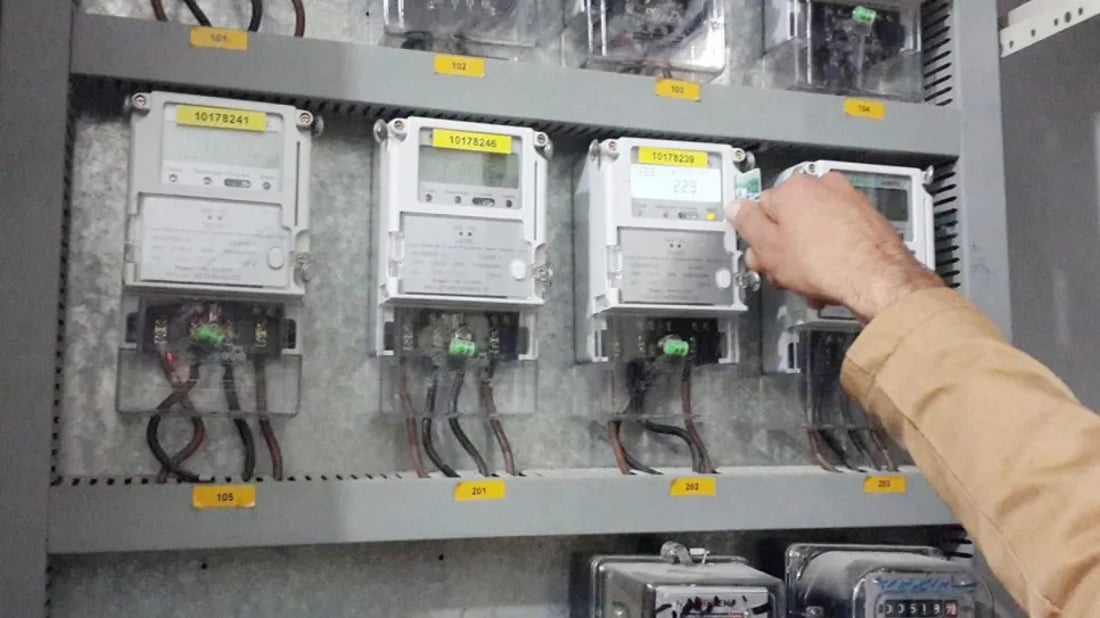
BAGHDAD — Eco Iraq Observatory said Saturday that the government spends about 600 billion Iraqi dinars ($400 million) per month on the electricity sector, while monthly collection revenues do not exceed 1 billion dinars ($667,000), describing the imbalance as a continuing strain on public finances.
“This massive spending is not reflected in the level of production, as actual generation does not exceed about 28,000 megawatts, while the country’s need is nearly 50,000 megawatts,” the observatory said.
“Revenues from electricity fee collection do not exceed one billion dinars per month, equivalent to only about 0.17% of total spending,” it added. “This figure reflects a serious weakness in the collection system and an absence of financial discipline.”
The observatory said “the huge gap between spending and revenues represents a continuous financial drain that contributes to deepening the budget deficit and places an additional burden on the state’s public finances.”
It warned that “continuing this management model means entrenching a chronic crisis whose cost is borne by the citizen without receiving stable service.”
The observatory called on the government to “take bold decisions and real structural reforms, foremost among them privatizing the electricity sector or effectively engaging the private sector, with the aim of ending financial waste and achieving operational efficiency.”
“The electricity file is no longer merely a service crisis, but has turned into a financial and economic challenge that directly affects the state’s financial stability,” it said.
Iraq faces chronic electricity shortages, with generation around 28,000 megawatts against estimated demand of 50,000 megawatts. The gap is compounded by reliance on imported gas — particularly from Iran — aging infrastructure, fuel supply disruptions and transmission losses.
The Electricity Ministry has cited reduced gas imports and technical challenges as key factors, pointing to maintenance campaigns and alternative fuel use. However, structural issues in generation, distribution and collection remain persistent.
Power outages have repeatedly sparked protests across multiple governorates, including Dhi Qar, Diwaniyah, Wasit, Baghdad and Kirkuk, with residents blocking roads and staging demonstrations demanding longer supply hours.