
Judicial procedures launched
Iraqi court begins probe into 1,387 ISIS detainees from Syria
BAGHDAD — Iraq’s First Karkh Investigative Court said Monday it has begun investigation procedures into 1,387 Islamic State members recently received from detention facilities in Syrian territory.
In a statement, the Supreme Judicial Council said that “under the direct supervision of the president of the Supreme Judicial Council, investigations have commenced through a number of judges specialized in counterterrorism.”
The statement said procedures will be carried out “within the approved legal and humanitarian frameworks and in a manner consistent with national laws and international standards.”
According to the council, the move comes as part of Iraq’s efforts to complete investigations and hold accountable those involved in crimes committed by the Islamic State group. The statement said this is being done “in parallel with international coordination aimed at addressing the file of ISIS members and crimes that rise to the level of genocide and crimes against humanity.”
The council said the expected number of transferred detainees “may exceed 7,000 ISIS members,” adding that the National Center for International Judicial Cooperation will work to “document and provide investigative authorities and courts with previously archived documents and evidence.”
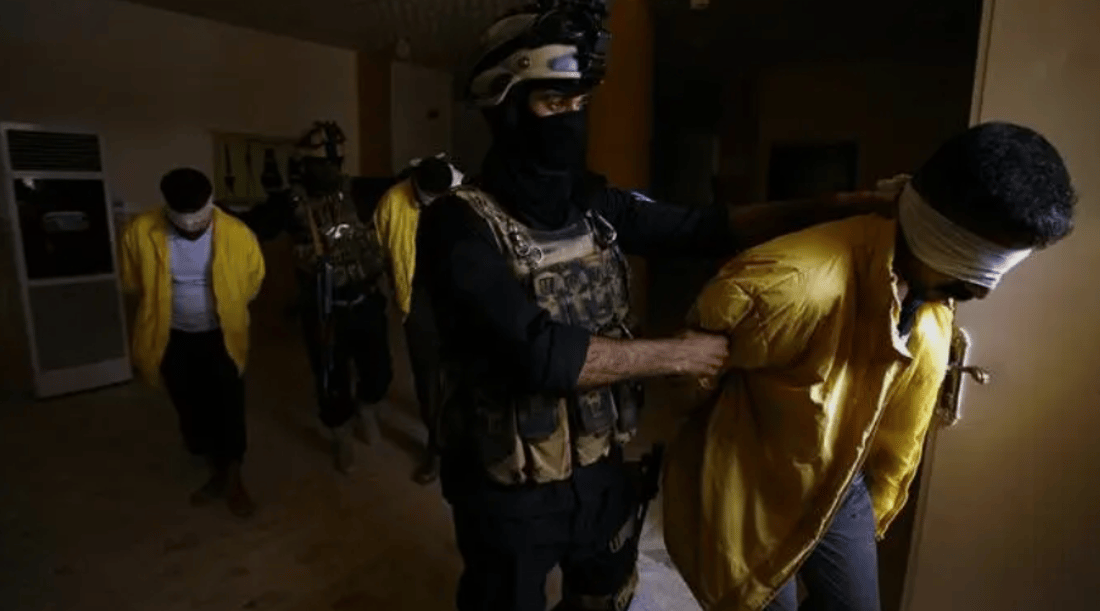
Iraq has recently begun receiving Islamic State detainees from camps and prisons in northeastern Syria following security deterioration and concerns over possible escapes. Iraqi officials have described the transfers as a preemptive step to protect national security.
Government spokesperson Basem al-Awadi has said that “the transfer of ISIS terrorists from Syria is a preemptive step to defend Iraqi national security,” stressing that judicial procedures had already begun and that decisions were taken after careful study.
Military spokesman Sabah al-Numan has said that “legal files are before the judiciary awaiting these detainees, whether Iraqi or foreign,” describing the transfer as a sovereign decision taken to achieve “higher security and judicial interests.”
The Supreme Judicial Council has previously stressed that all transferred suspects, regardless of nationality or rank within the organization, are subject exclusively to Iraqi jurisdiction, with crimes documented and prosecuted under Iraqi law.