
Environment Ministry reports decline in illegal wildlife trade
BAGHDAD — Iraq’s Ministry of Environment on Saturday said illegal hunting and the sale of migratory birds in local markets have declined, attributing the decrease to ongoing field inspections.
Najla Mohsen Al-Waeli, director general of the ministry’s technical department, told the Iraqi News Agency that recent field campaigns conducted by the ministry in coordination with supporting agencies and the environmental police are beginning to show “encouraging early indicators” of reduced poaching, especially in areas with repeated monitoring.
Authorities had earlier launched an awareness and inspection campaign across bird markets nationwide, involving the environmental police, organized crime units, and national security forces. The campaign aimed to monitor the trade in migratory birds and other wildlife and ensure adherence to environmental regulations.
Al-Waeli said a decline in violations had been recorded in later inspections, alongside a reduction in the display of rare birds and animals in some markets compared to previous periods. She said the findings reflect “the impact of legal deterrence and sustained field presence.”
She added that biodiversity protection is a cumulative and long-term process, requiring “ongoing monitoring, intensified public awareness, and consistent law enforcement to achieve sustainable outcomes and safeguard environmental resources for future generations.”
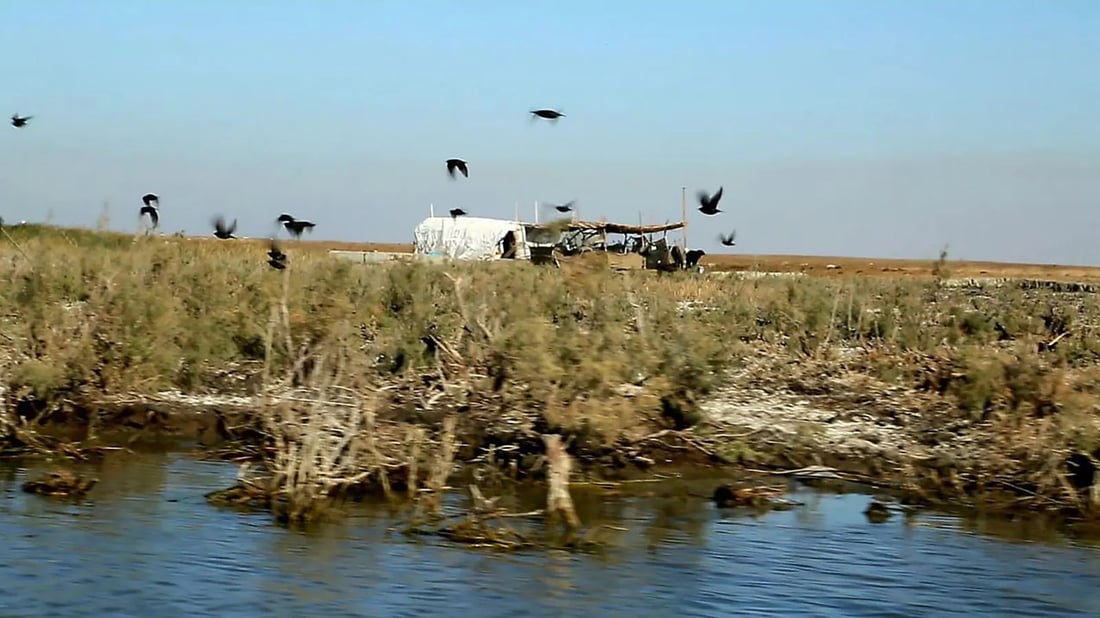
In late December 2025, environmental authorities in Dhi Qar said they have seized illegal hunting equipment and released confiscated birds into the Al-Chibayish marshes, part of efforts to curb wildlife trafficking and protect the region’s biodiversity.
The announcement followed warnings from the Green Iraq Observatory, which said that more than 1,000 migratory birds have been killed in December due to illegal hunting in Iraq’s southern marshlands. The group called on authorities to arrest hunters rather than focusing enforcement only on street vendors.
Iraq is a signatory to the Convention on the Conservation of Migratory Species and has domestic wildlife protection laws that prohibit harmful hunting methods such as nets and poisons. Penalties can include fines and prison terms, though enforcement has been uneven and conservation advocates have called for stronger monitoring.