
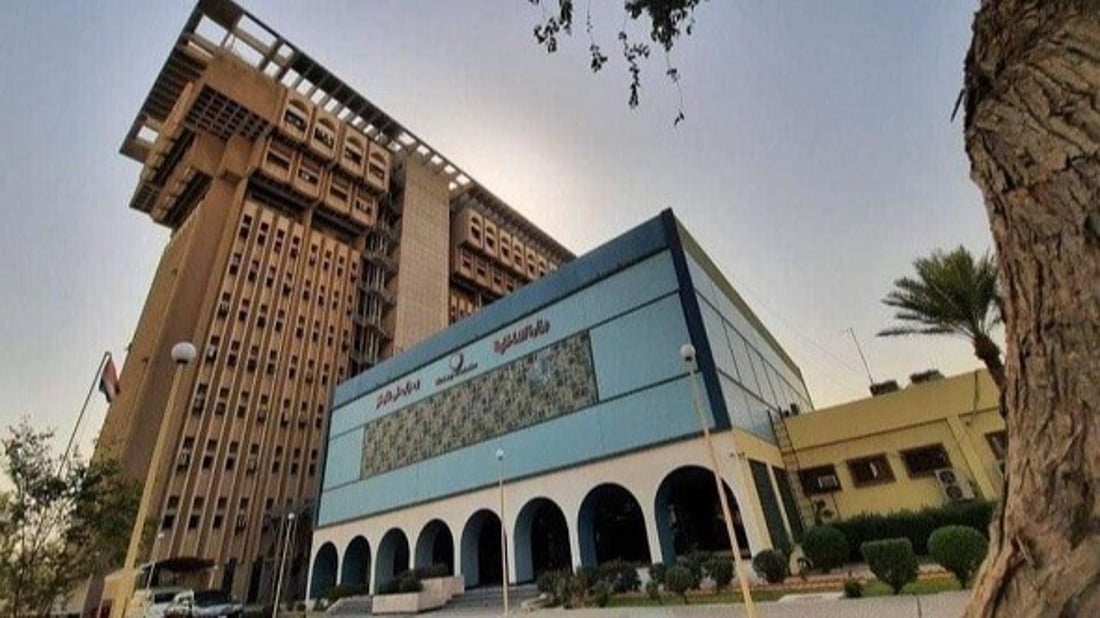
Exterior view of Iraq’s Interior Ministry building in Baghdad
Interior Ministry: tribal ‘dakka’ attacks prosecuted under anti-terrorism law
BAGHDAD — Iraq’s Interior Ministry said Sunday that tribal disputes and so-called tribal “dakka” attacks are crimes punishable under the country’s anti-terrorism law, stressing that no weapons are permitted outside state control.
Interior Ministry spokesperson Col. Abbas al-Bahadli told the Iraqi News Agency that “tribal disputes constitute a negative and uncivilized phenomenon and pose a threat to both security and social peace, and they cannot be accepted in any form.”
Dakka refers to violent tribal attacks, often involving gunfire or armed intimidation targeting homes or neighborhoods, typically used to pressure rival families or clans.
He said security forces are working to curb such acts. “The security apparatus is operating to dismantle these crimes and tribal disputes and what is known as tribal dakka, and we have a real partnership with the Iraqi judiciary, as tribal disputes and dakka are now classified under the law as what is known as Article 4 terrorism,” al-Bahadli said.
He said those detained are referred to the courts. “Anyone apprehended in these crimes is transferred to the judiciary, and the judiciary is the authority that issues the final ruling in accordance with legal articles,” he said.
Al-Bahadli said the ministry rejects the practice and is moving to enforce the law. “The Interior Ministry does not accept these disputes in any way and is proceeding with enforcing the law and maintaining security,” he said.
He stressed that weapons must remain in the hands of the state. “There can be no weapons other than state weapons, and no customs or laws can be enacted or applied other than the laws in force,” he said, adding that such disputes “represent a real danger to citizens and to social peace and security.”
He said the ministry is handling such cases firmly. “The ministry deals with these disputes with full seriousness and strong, strict measures,” al-Bahadli said, adding that “many of those involved are currently subject to investigative procedures, and many others have already been sentenced.”
Al-Bahadli called on Iraqi tribes “to comply with the law and take proper steps by reporting anyone who attempts to undermine social peace and security,” urging “the spread of a spirit of tolerance, acceptance of others, and avoiding violent reactions and the use of weapons.”
Tribal disputes remain a recurring issue in Iraq and have, in multiple cases, turned deadly. In September, two federal police officers were killed and five others wounded when armed men opened fire on security forces responding to a tribal conflict in Baghdad’s Rusafa district, and authorities later said six suspects were arrested.
In July, a patient wounded in a tribal clash in Basra was shot dead inside Abu Al-Khaseeb Hospital after armed men stormed the facility. The earlier confrontation between members of the Al-Jandeel clan left six people dead and five injured, including a bystander, according to security and medical sources.
Basra has also seen repeated armed clashes tied to tribal feuds. In June, police arrested 10 people following an exchange of gunfire between rival tribes in the Tamimiya neighborhood that resulted in burned homes and damaged vehicles. No injuries were reported, but stray bullets struck residential areas.
Similar incidents have been reported in other governorates. In March, clashes between two tribal groups in western Kirkuk left three people dead and four injured after a dispute escalated during a football match, with police arresting about 18 suspects and seizing weapons.
Iraq has begun overhauling its firearms system and has repeatedly extended deadlines for citizens to register personal weapons, most recently pushing the cutoff to Dec. 31, 2026. The process started in January 2024 through the electronic Ur platform, with registration offices set up across Baghdad and other governorates, excluding the Kurdistan Region, alongside a weapons buyback program. Authorities say the extensions and enforcement campaigns aim to bring privately owned guns under legal control, reduce illegal weapons and improve public safety.