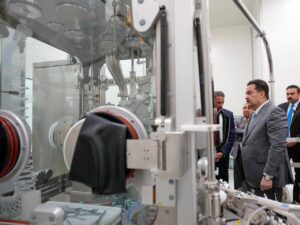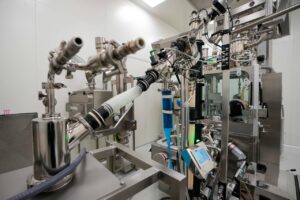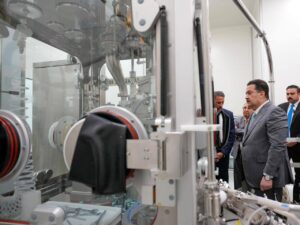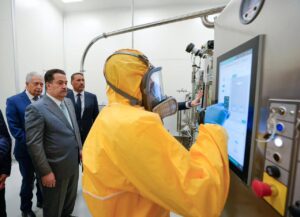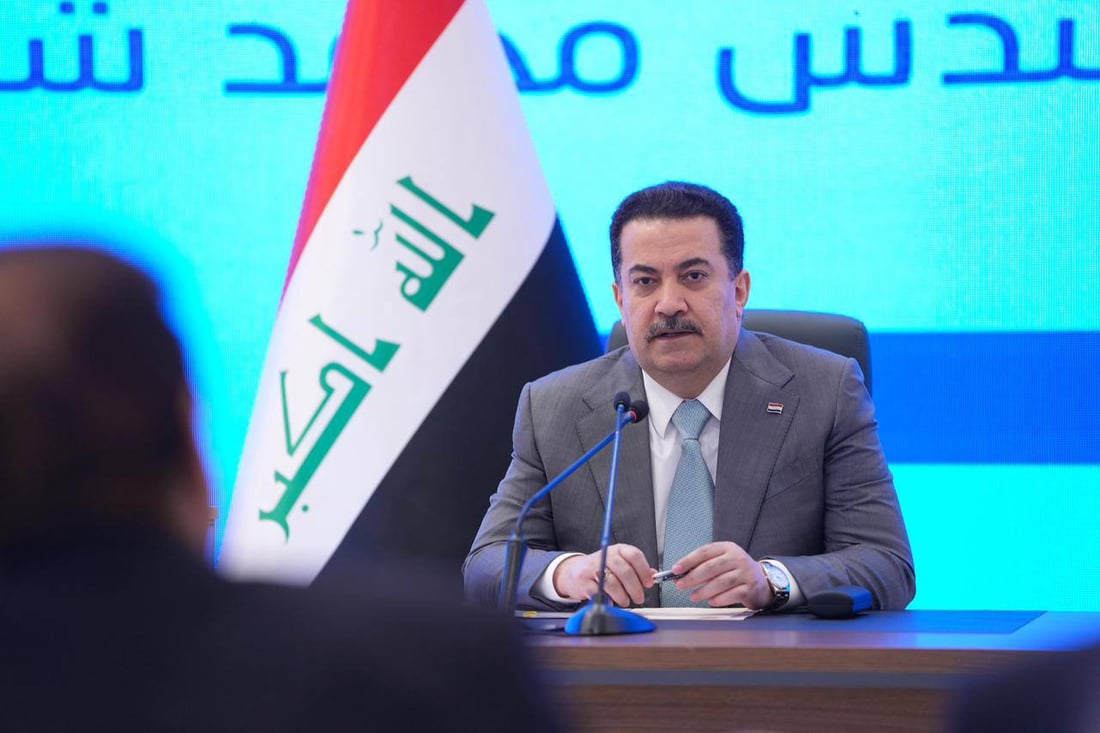
Prime Minister Mohammed Shia al-Sudani attends Saturday’s ceremony after inaugurating a $45 million cancer drug manufacturing plant and launching construction for a $70 million viral vaccine production facility.
Iraq opens $45 million cancer drug plant, launches vaccine project in Baghdad
BAGHDAD — Prime Minister Mohammed Shia al-Sudani on Saturday inaugurated a $45 million cancer drug manufacturing plant at the Modern Pharmaceutical Industries Company and launched construction of a $70 million viral vaccine facility, saying the projects will strengthen Iraq’s pharmaceutical security and reduce dependence on imports.
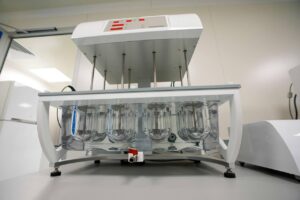
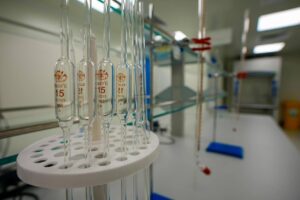
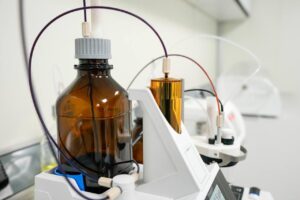
Sudani said the cancer drug factory features “high specifications and modern devices from the finest global manufacturers,” describing it as one of the most advanced plants in the Middle East. He said the project is part of government efforts to localize drug production and support the private sector as “real partners” in achieving self-sufficiency.
He noted that this was his second visit to the site, saying it was intended to signal backing for a localization policy he said began “three years ago.”
The prime minister also laid the foundation stone for a $70 million vaccine plant that will produce viral vaccines for hepatitis, influenza and the triple vaccine for mumps, polio and rubella. Officials say the project is designed to cover domestic demand and eventually reduce the need for imported vaccines.
Iraq continues to report rising cancer cases. The Iraqi Cancer Council said 46,390 cases were recorded nationwide in 2024, including the Kurdistan Region, up from 43,062 cases in 2023. The council said Nineveh ranked third among governorates with 3,234 cases.
The new cancer plant will supply key treatments for patients across Iraq. Its first phase will produce oral medications, including tablets and capsules, for cancers affecting the digestive system, lungs, urinary tract, blood and glands. A second phase will add a unit for intravenous cancer drugs, which officials plan to complete before the end of 2026. Eight core cancer medicines have already been registered, and agreements were reached with international companies for two additional products to be manufactured locally.
Sudani said domestic pharmaceutical production “has begun to rise to meet our medical needs compared to past years,” citing progress in registering 2,000 types of medicines and saying more than “40% of Kimadia’s needs” are now covered, with plans to expand output further.
He added that projects in the pharmaceutical industrial zones in Samarra and Yusifiya, along with other facilities, are central to plans to build up local manufacturing. Sudani said Iraq’s pharmaceutical and medical import bill reached $4.189 billion in 2023, calling the increase a “negative indicator,” and argued that protecting foreign currency reserves requires cutting imports when private-sector capacity is available.