
Shia Coordination Framework discusses PM selection criteria
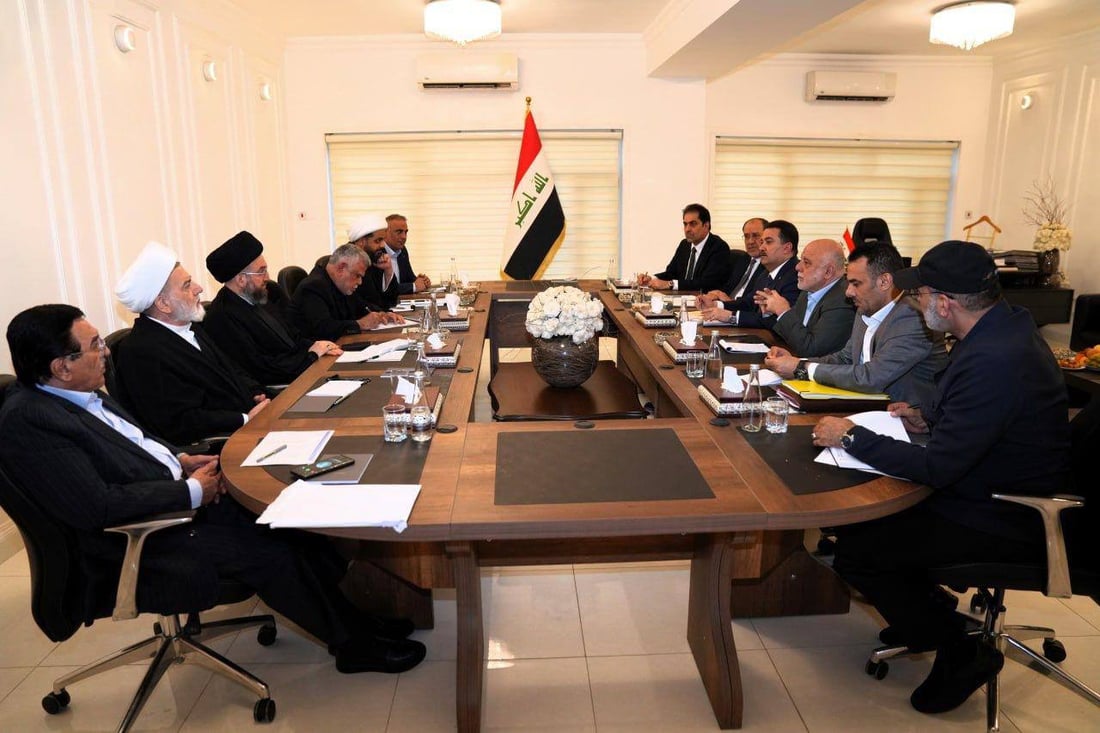
BAGHDAD — The Shiite Coordination Framework held its regular meeting on Monday in Baghdad to address constitutional and political requirements following the November 11 parliamentary elections.
According to a statement, the meeting took place at the office of Hadi al-Amiri, head of the Badr Organization, and included discussion of the criteria for selecting the next prime minister. Attendees examined qualifications such as competence, integrity, and the ability to manage the state and address upcoming challenges.
Iraq’s Independent High Electoral Commission last week released the final results of the Nov. 11 vote, confirming turnout above 56 percent and publishing the full distribution of all 329 seats.
“The mechanism for selection within the Framework will be based on clear national standards,” the statement said.
Participants also reviewed a report from two leadership committees formed in a previous meeting. The committees will continue assessing candidates and discussing national entitlements.
The Islamic Dawa Party on Saturday named its secretary-general, Nouri al-Maliki, as its candidate for Iraq’s next prime minister, moving formally into the post-election contest for the premiership. Mohammed Shia Al-Sudani has also declared his intention to seek a second term. Speaking at the Middle East Peace and Security Forum in Duhok, he said the bid “is not a personal ambition” and framed it as a commitment to complete the agenda of his current government, while confirming that the Coordination Framework will begin negotiations to form the next administration.
The statement reaffirmed the Framework’s “full commitment to constitutional obligations and the deadlines for forming the next government, in a way that preserves political stability and respects the will of the voters.”
Once the results are certified, the president of the republic must convene the new parliament, which then elects a speaker before choosing a president. The president tasks the nominee of the largest bloc with forming a cabinet, and the prime minister-designate must then present the government to parliament for a confidence vote.
The group also congratulated the formation of the National Political Council by the Sunni forces. It described the move as “a positive indication toward enhancing organized political work and unifying national visions.”
Major Sunni political parties on Sunday announced the formation of the National Political Council, a joint bloc they say will coordinate positions across the sixth parliamentary cycle and serve as a unified counterpart to the Shia Coordination Framework, which leads the current government.