
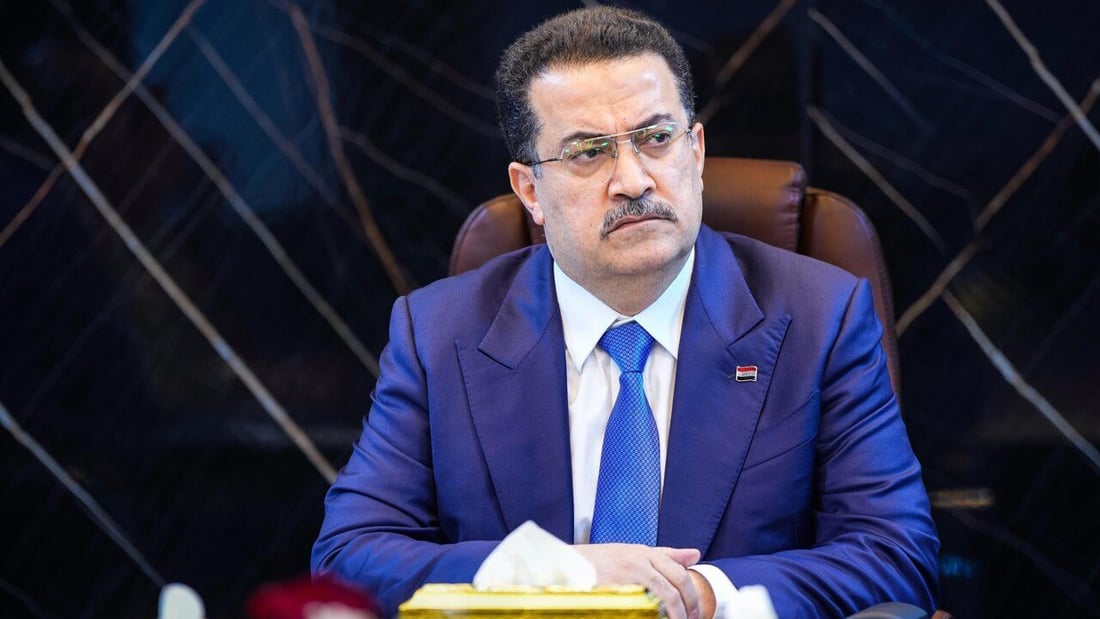
Iraqi Prime Minister Mohammed Shia Al-Sudani during a cabinet meeting in Baghdad
Iraq halts fuel imports after achieving self-sufficiency in gasoline and kerosene
BAGHDAD — Prime Minister Mohammed Shia Al-Sudani on Tuesday ordered a suspension of gasoline, liquefied gas, and kerosene imports after Iraq reached self-sufficiency in domestic fuel production, according to an official document issued by his office.
The directive, signed by the prime minister’s office director, Ihsan Yassin Al-Awadi, said the decision follows “the great efforts made over the past three years that resulted in the operation of the country’s refineries within the unified plan to achieve self-sufficiency in petroleum products.” The order instructed the Oil Ministry and the Oil Products Distribution Company to regulate domestic consumption and direct surplus output toward export.
The decision comes after several major refinery expansions aimed at ending Iraq’s reliance on imported fuel. In June 2025, Oil Minister Hayan Abdul Ghani said Iraq would stop importing kerosene by the end of the year following the launch of the Karbala Refinery and new refining units in Basra, which added 360,000 barrels per day of capacity.
By August, the ministry confirmed that high-octane gasoline imports had fallen to six million liters per day, down from as high as 16 million. Oil Products Distribution Company Director General Hussein Talib said the reduction marked “a final stage before achieving complete independence in fuel production.”
Ten days before the new directive, Abdul Ghani announced that Iraq had reached near-total self-sufficiency after completing the $3.75 billion Fluid Catalytic Cracking project in Basra, financed by Japan. The facility converts heavy oil into high-value fuels, producing 4,200 cubic meters of high-octane gasoline and 2,000 cubic meters of gas oil daily. “With this project, Iraq will completely stop importing gasoline,” the minister said, noting that annual import costs, which once reached $5 billion, had fallen to less than a quarter of that amount.
Iraq’s refining capacity now exceeds 1.15 million barrels per day, allowing it to not only meet domestic demand but also begin preparing for exports. The Oil Ministry said halting imports marks the beginning of Iraq’s transition from a fuel importer to an exporter of refined petroleum products.