
Monitor
Coordination Framework coalition weighs in on Iraq-Turkey water accord
BAGHDAD — The Coordination Framework, a coalition of Shia parties that leads Iraq’s current government, on Monday discussed the implementation of the recent Iraqi-Turkish water cooperation agreement, emphasizing the need to protect Iraq’s water rights and adopt sustainable policies to secure national sovereignty.
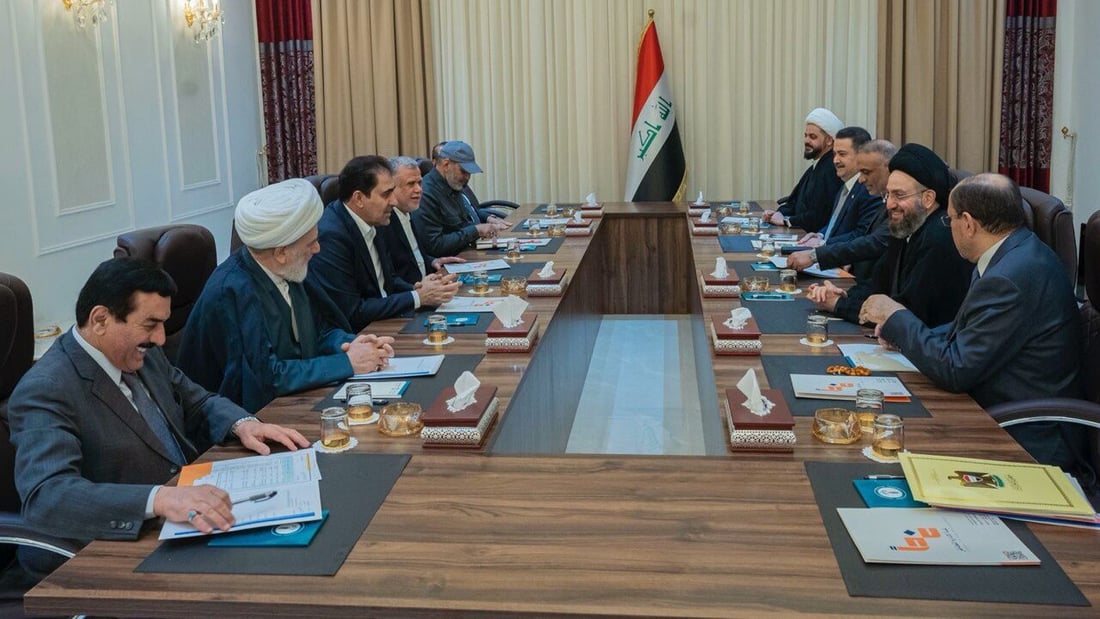
In a statement after the meeting, held at the office of State of Law Coalition leader Nouri Al-Maliki, the Framework said participants reviewed “recent developments in the water file and the progress of the Iraqi-Turkish agreement,” highlighting that Iraq must ensure its “water rights are protected through practical and sustainable measures.”
The group said discussions on the water issue reflect a national duty to defend Iraq’s sovereignty and resources, reaffirming its support for “efforts that preserve the country’s security, stability, and the well-being of its people.”
On November 2, 2025, Iraq and Turkey signed an executive mechanism for their water cooperation agreement in Baghdad, attended by Prime Minister Mohammed Shia Al-Sudani and Turkish Foreign Minister Hakan Fidan. Al-Sudani said the deal offers “sustainable solutions to Iraq’s water crisis” through joint projects, while Fidan described it as “the first of its kind” to enhance cooperation in water, energy, and development. The agreement builds on Erdoğan’s 2024 visit to Baghdad and aims to address Iraq’s severe water shortages caused by climate change, drought, and upstream dam projects.
Full Statement of the Coordination Framework:
The Coordination Framework held its regular meeting No. 248 at the office of Nouri Al-Maliki, marking five years since its establishment—five years that witnessed major turning points in the country’s history, requiring steadfast national positions and great responsibilities.
The participants discussed recent developments in the water file and the progress of the Iraqi-Turkish agreement, emphasizing the need to protect Iraq’s water rights and to adopt practical and sustainable approaches that preserve water security and national sovereignty.
The Framework also reviewed the key decisions and positions it has taken over the past years, which—through collective awareness and a sense of responsibility—helped confront attempts to undermine Iraq’s security and stability, and thwart external terrorist, political, and economic schemes targeting the structure and future of the state.
In this context, the Coordination Framework expressed its appreciation for the support and national awareness of the Iraqi people, describing them as the true pillar in facing challenges, and voiced pride in the public’s trust, which remains a source of strength and inspiration in continuing its mission.
The Framework also praised the efforts of the Council of Representatives in passing important legislation and commended the government’s work in expanding services and improving executive performance despite complex circumstances.
It further valued the responsible national role of the Iraqi judiciary as the constitutional pillar that upholds justice and enforces the rule of law, affirming its support for the independence of the judicial institution and its stance with every effort that reinforces state authority and guarantees citizens’ rights without discrimination or exception.
The Coordination Framework reaffirmed its commitment to continue working in a spirit of cooperation and national responsibility toward a strong, stable, and promising Iraq worthy of its people’s sacrifices and history.