
Dhi Qar
Kuwaiti-made dishdashas outsell local brands in Souq Al-Shuyukh
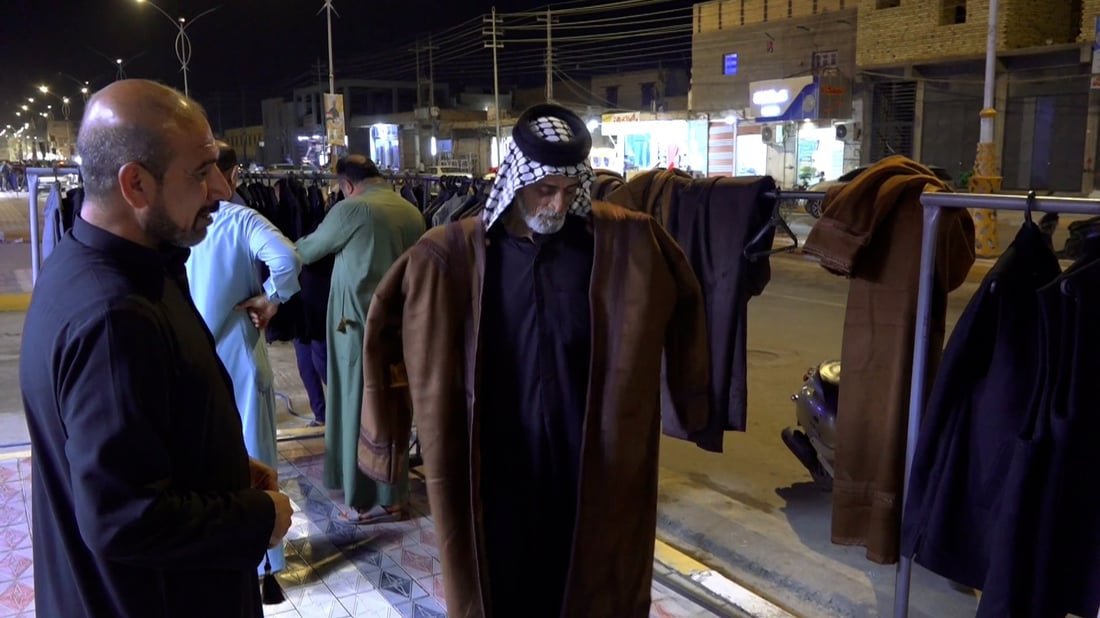
DHI QAR — Kuwaiti-made dishdashas are gaining popularity in Souq Al-Shuyukh, where vendors say their high-quality fabric and affordable prices are drawing customers away from locally made garments.
Traders in the southern Dhi Qar town told 964media that the imported garments are sewn using “hidden stitch” techniques considered more refined than standard Iraqi tailoring. They are typically made from Japanese or English fabric yet sold for about 10,000 Iraqi dinars ($7), compared with locally made dishdashas that start at 25,000 dinars ($17) and usually use Chinese material.
“The design is the same, but the fabric is the real difference,” said vendor Mohammad Farhan. “Most Iraqi dishdashas use Chinese material, while the Kuwaiti ones use English or Japanese fabric.”
Farhan said Kuwaiti retailers often overproduce and later discount unsold stock when new styles arrive.
A dishdasha is a long, robe-like garment traditionally worn by men in Arab countries, especially in the Gulf region.
Another vendor, Ali Al-Badri, said most of the garments are brought directly from Kuwait through border trade or personal travel. “We offer first-grade Kuwaiti fabric — the kind Kuwait is known for. Iraqi tailoring tends to use standard visible stitching,” he said.
Al-Badri added that his shop sells sizes for all ages, from toddlers to adults, and keeps profit margins low to remain accessible. “I get customers from all over,” he said.
Elsewhere, Al-Hamidiyah Market in Fallujah, one of the city’s oldest commercial centers, remains known for its fine tailoring of dishdashas and formal wear for grooms, tribal leaders, and sheikhs.