'A responsibility'
UNESCO, launches four-year program to restore Erbil Citadel with support from KAR Group
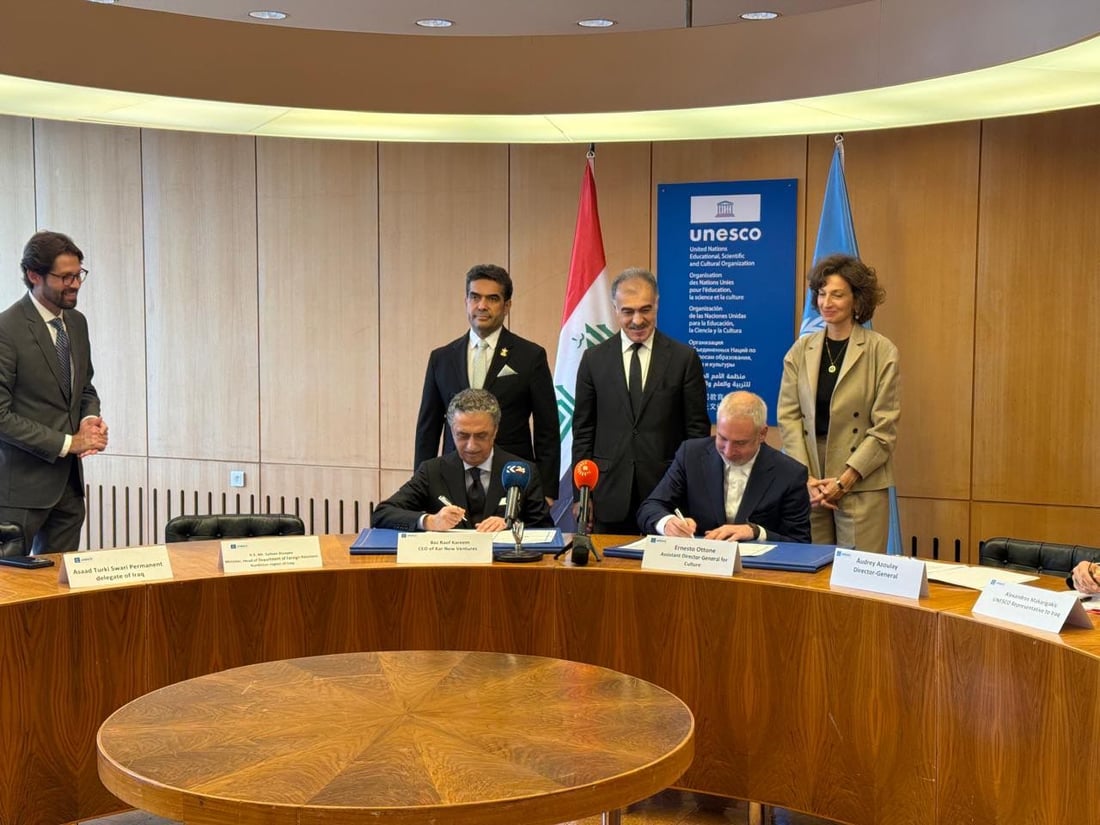
NEWSROOM – UNESCO on Tuesday unveiled a four-year program to conserve and reactivate the Erbil Citadel World Heritage Site, backed by a contribution from KAR New Ventures Limited, part of the KAR Group.
“This new initiative illustrates the strengthening of our cooperation with Iraqi Kurdistan and more generally with Iraq in the preservation of its rich cultural heritage. At the heart of the Erbil Citadel, we will be protecting a major landmark in the region’s history, while reaffirming its central role in contemporary cultural, social and economic development,” UNESCO Director-General Audrey Azoulay said at a signing ceremony at the organization’s Paris headquarters.
Under the “Reviving the World Heritage Site of Erbil Citadel” program, UNESCO will restore key heritage structures, improve access and visitor flow, and activate the site through cultural venues and small businesses. The plan also invests in training artisans and technicians in heritage management to build local capacity and ensure long-term upkeep. The funding earmarked for the project stands at $10m.
Speaking at the ceremony, Baz Raof Kareem, Chairman of the KAR Group of companies, framed the partnership as a civic duty: “For us at KAR, this partnership is more than a project — it is a responsibility. A responsibility to our heritage, to our people, and to future generations.” He added: “Our vision is to see the Citadel not just as a monument of the past, but as a hub for education, dialogue, and cultural exchange — a space where history inspires the future.”
KAR is an Iraq-based energy and infrastructure company with operations in engineering, procurement, construction, logistics, and industrial services.
Rising atop a mound in the center of Erbil, the Citadel is widely regarded as one of the world’s longest-inhabited urban sites. UNESCO inscribed the Citadel on the World Heritage List in 2014 for its rare survival as an ancient urban settlement whose form reflects centuries of continuous occupation.
In addition to UNESCO’s stewardship and the High Commission for Erbil Citadel Revitalization, KAR said it has retained GEMA ART International s.r.o., a Prague-based heritage conservation and restoration firm, to provide assessments and technical oversight.
KAR noted that its Citadel involvement dates to 2019, when it signed an MoU with the Erbil Governorate and opened a dedicated project account with an initial $1.166 million deposit. Through the Sheikh Baz Foundation, it has since provided more than $2.5 million in financial and technical support. The Sheikh Baz Foundation is the charitable foundation of KAR Group Chairman Baz Raof Kareem.
Work to date has included restoring the Grand Mosque and its minaret, stabilizing core structures, rehabilitating civil and decorative elements, modernizing concealed electrical and sanitation networks, and sensitive paving and infrastructure upgrades coordinated with the High Commission.
UNESCO said the Erbil push builds on its broader post-conflict cultural recovery in Iraq, especially “Revive the Spirit of Mosul,” a UNESCO-led program launched in 2018 to restore cultural heritage, schools and public spaces and to help revive community life after ISIS.
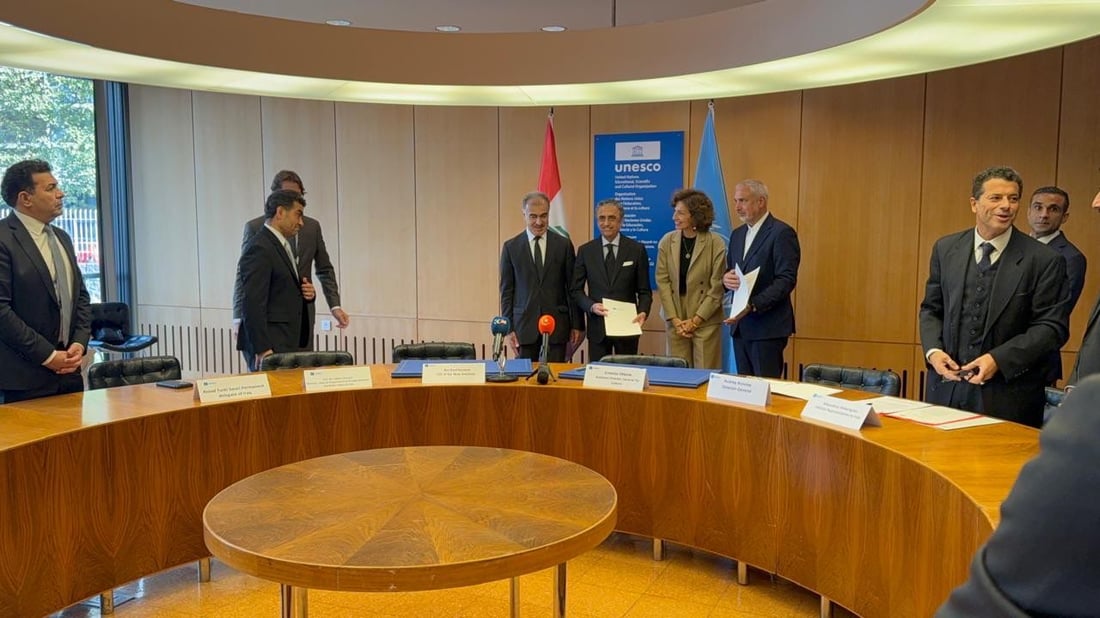
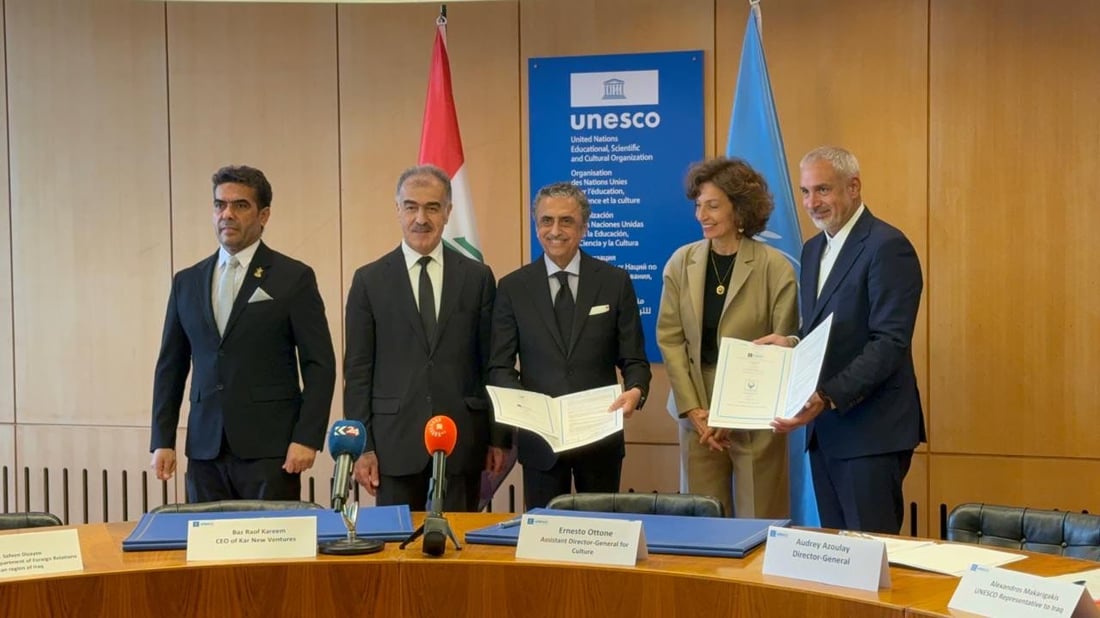
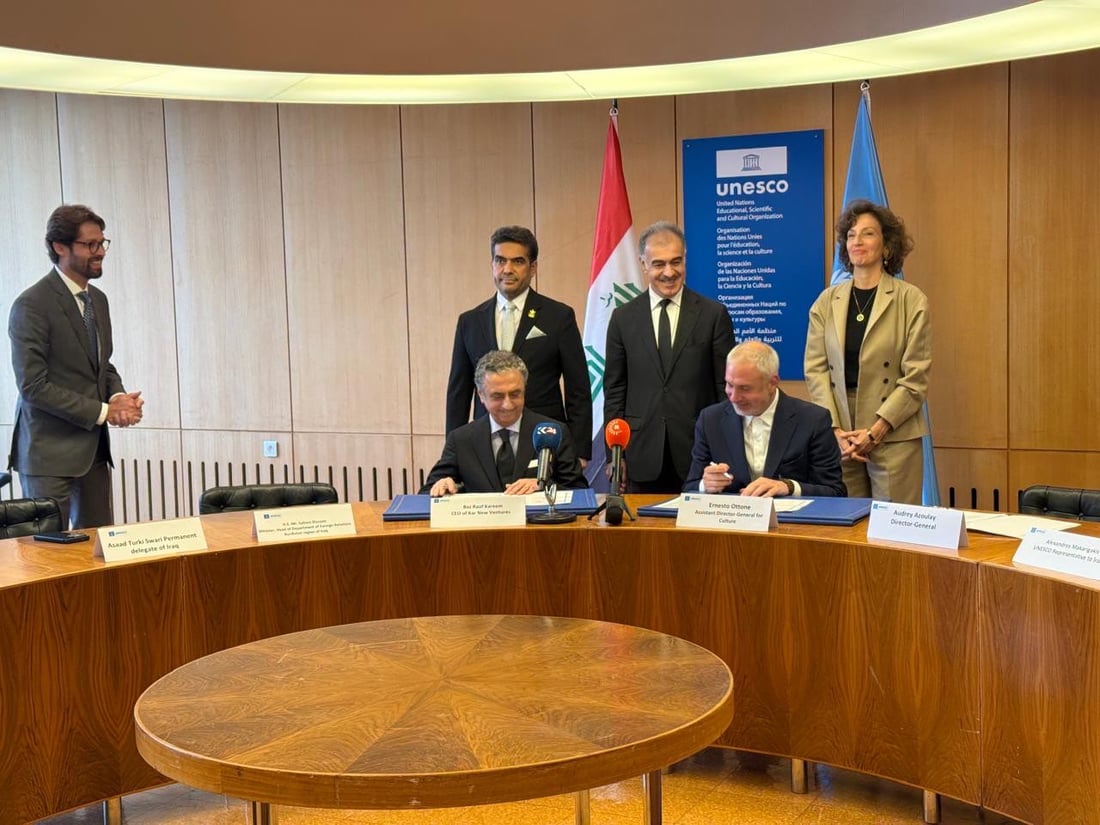
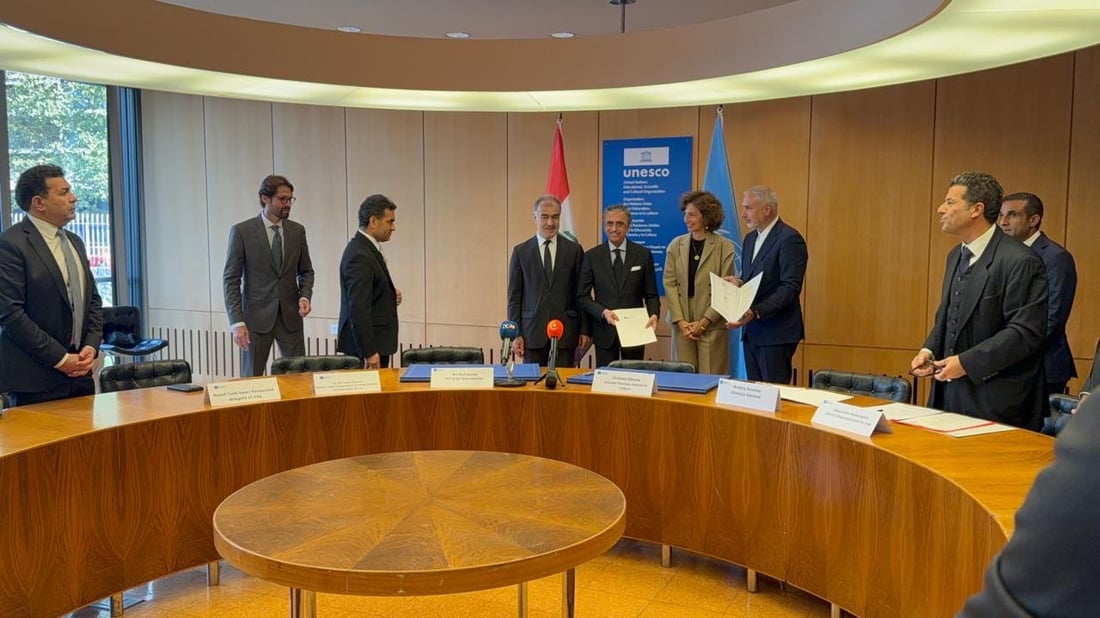
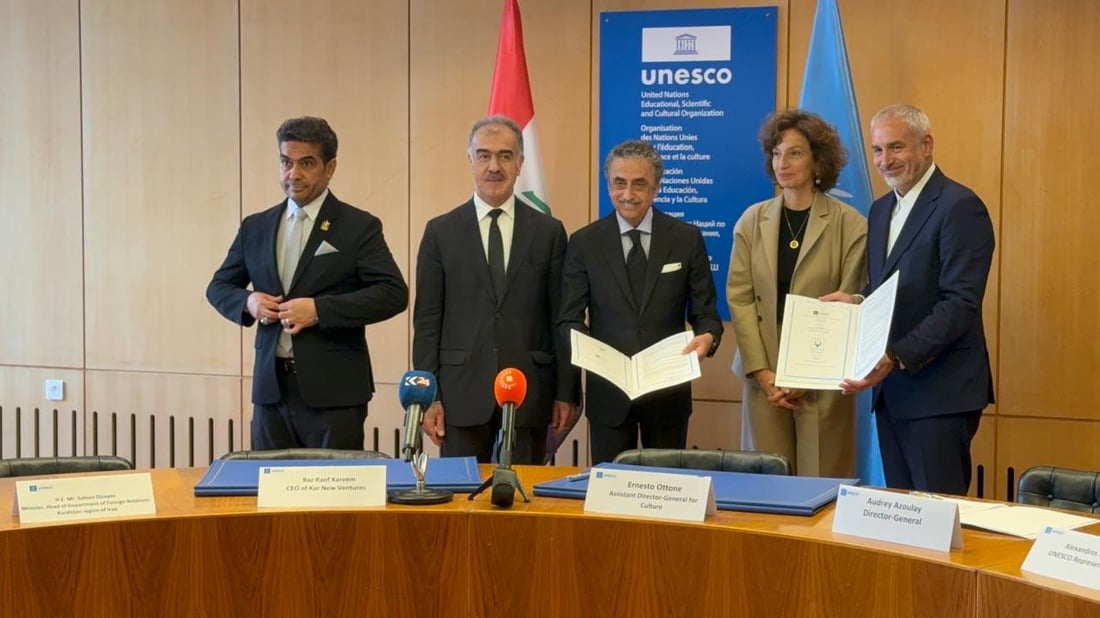
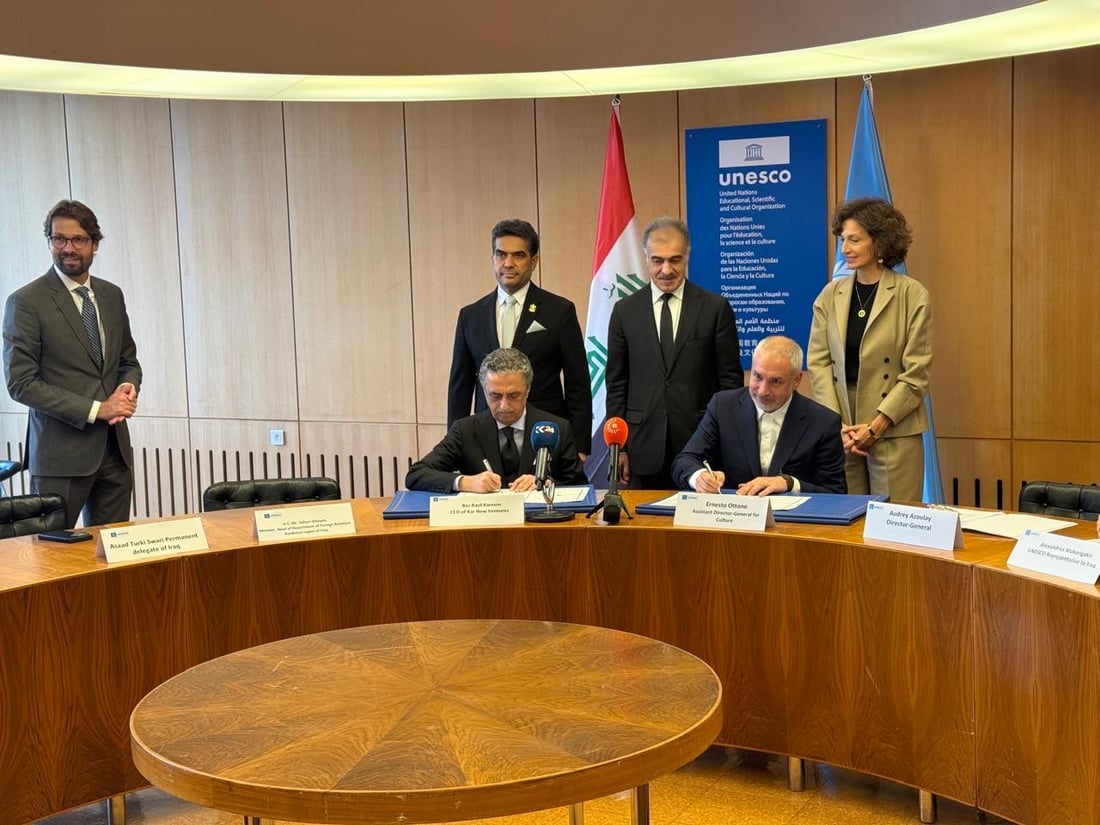
Tuesday’s agreement was signed by Ernesto Ottone, UNESCO Assistant Director-General for Culture, and Baz Raof Kareem in the presence of Director-General Azoulay. Attendees included Safeen Dizayee, Minister and Head of the Kurdistan Regional Government’s Department of Foreign Relations, and Dr. Asaad Turki Swari, Iraq’s Ambassador and Permanent Delegate to UNESCO.