
KRG urges Baghdad to approve customs deal as regional revenues fall more than 70%
ERBIL — The Kurdistan Regional Government called on Wednesday for Iraq’s Federal Ministerial Council for Economic Affairs to approve a preliminary agreement on implementing the ASYCUDA customs system at the region’s border crossings, warning that the unresolved file has contributed to a steep revenue decline.
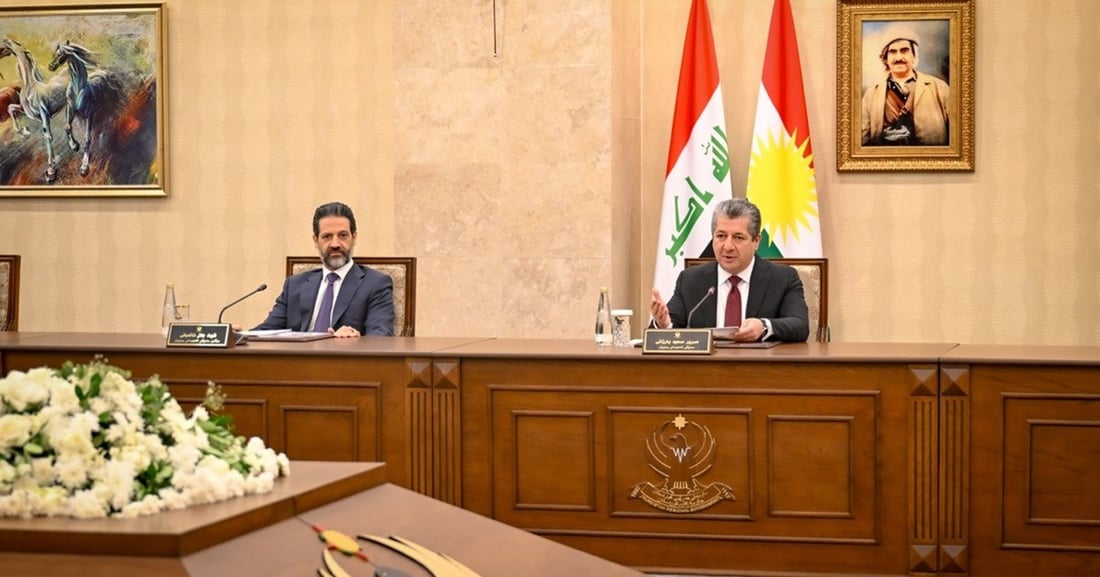
The call came during a cabinet meeting chaired by Prime Minister Masrour Barzani and attended by Deputy Prime Minister Qubad Talabani. The cabinet urged the federal economic council to approve, “at the nearest opportunity,” the preliminary understanding signed between Baghdad and Erbil in April.
ASYCUDA, developed by the UN Conference on Trade and Development, is an automated customs management system that processes declarations, monitors trade and standardizes customs procedures. Baghdad and Erbil reached a preliminary agreement in April to implement it across Kurdistan Region border crossings as part of a broader effort to unify customs procedures, tariffs and revenue collection nationwide.
The KRG said resolving the file would increase border crossing revenues, strengthen trade and help revive markets. “With resolving this file, border crossing revenues will increase, commercial activity will become stronger and more active, and markets will recover, which ultimately serves the interests of all of Iraq,” the cabinet said.
Finance and Economy Minister Awat Sheikh Janab presented a report on public revenues for the first five months of 2026, which the cabinet said have fallen sharply compared with 2025 and are being reviewed by a joint federal-regional audit team. Monthly regional revenues have declined by more than 70% due to the war, regional instability and delays in finalizing the ASYCUDA file. The cabinet called on the federal government to review the 120 billion dinars designated as the Kurdistan Region’s monthly contribution to the federal treasury.
The cabinet also discussed Barzani’s recent visit to Baghdad and proposed creating a permanent high-level coordination body of ministers and officials from both governments to address unresolved Erbil-Baghdad issues. Talabani said the body would help institutionalize dispute resolution. The cabinet approved the proposal and said it would be submitted to the federal government for joint consideration.
The meeting also reviewed negotiations with Baghdad over oil exports. The cabinet reaffirmed support for the federal government led by Prime Minister Ali al-Zaidi and instructed the acting minister of natural resources and the negotiating delegation to accelerate efforts to resume exports through the Kurdistan Region’s pipeline at the highest possible levels, with revenues returning to the federal treasury.