
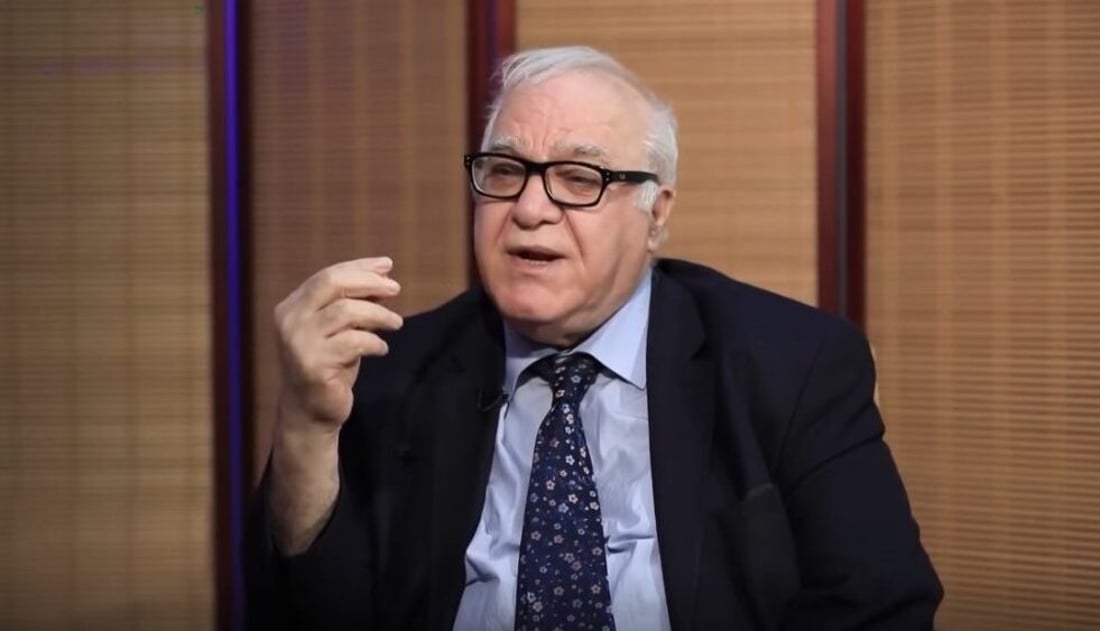
Mazhar Mohammad Saleh, financial adviser to the prime minister
Media Monitor
Housing developer regulations aim to organize Iraq’s real estate sector, adviser says
BAGHDAD — The financial adviser to the prime minister, Mazhar Mohammed Saleh, said that the new housing developer regulations approved by the Council of Ministers will help organize Iraq’s housing sector, unify project standards, and promote fairness and transparency while reducing construction chaos.
The Council of Ministers approved the developer regulations in its last Tuesday session, describing them as “a first-of-its-kind roadmap with clear standards and guidelines to support the housing sector by providing serviced plots with infrastructure and suitable prices for citizens, ensuring inclusiveness across all segments of society.” The government said the regulations also “set clear paths for converting state-owned and managed lands into residential areas in line with international standards.”
Saleh told the Iraqi News Agency that “the housing developer regulations approved by the Council of Ministers work to standardize and regulate the criteria under which developers will operate, particularly regarding infrastructure, engineering specifications, safety standards, land use, and other technical and organizational aspects.”
He explained that the regulations link the right to use or invest in land to the availability of services. “No developer will be granted investment rights unless the land is serviced or the developer undertakes to provide those services,” Saleh said, adding that the new system allows for easier conversion of non-residential or state-owned lands into housing projects “according to defined standards.”
“The main goal,” he added, “is to ensure inclusiveness by providing housing options suitable for all segments of society, especially low- and middle-income groups, to help narrow the housing gap in the country.”
Saleh noted that “the new regulations will build confidence in real estate projects because investors and citizens will see that these projects are managed under clear and documented standards.” He said the framework will reduce illegal construction, limit encroachments, improve the urban landscape, and accelerate government procedures to address corruption and bureaucratic delays.
He added that enforcing the regulations “will enhance the quality of urban planning and sustainable land use and create a stable, attractive investment environment for both local and foreign capital thanks to the clarity of the legal and regulatory framework.” He also predicted that the measures “will help reduce housing prices or at least prevent sudden increases by controlling costs and organizing infrastructure work.”