
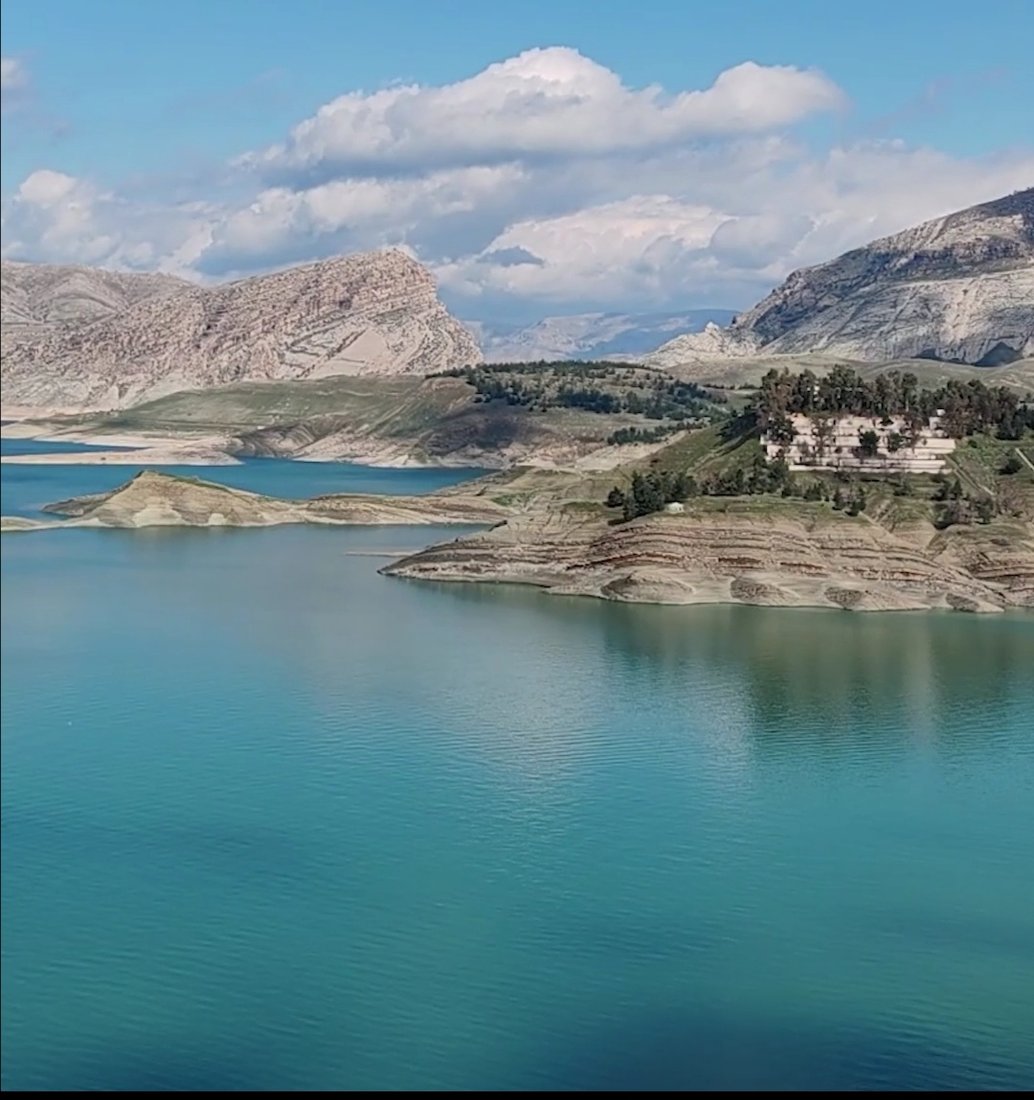
A view of the Dukan Dam, located in Sulaymaniyah. (Photo: 964media)
Water Ministry
Iraq launches rainwater storage projects in seven governorates, says dams ready for seasonal inflows
BAGHDAD — Iraq’s Ministry of Water Resources on Tuesday announced the start of rainwater storage projects across seven governorates and reaffirmed that the country’s major dams and reservoirs are prepared to handle seasonal rains and potential flooding.
Ministry spokesperson Khalid Shamal told the state-run Iraqi News Agency that all technical and administrative preparations have been completed to absorb incoming rain, floodwaters, and inflows from the Tigris and Euphrates rivers.
“Iraq has a strong system of major dams such as Mosul, Dukan, Darbandikhan, Haditha, and Adhaim, in addition to natural reservoirs like Tharthar and Habbaniyah,” Shamal said. “These are capable of facing any potential flood wave.”
The announcement follows early forecasts from Iraq’s weather authority indicating above-average rainfall toward the end of autumn or the start of winter, sparking hope after what was described as the driest year since 1933.
Shamal added that Iraq’s water strategy does not currently require new large dams, but rather increased inflows from upstream countries. “The ministry is working on water storing projects through 36 dams, some of which have already begun, especially in areas with high rainfall and flood-prone geography such as Nineveh, Anbar, Diyala, Wasit, Maysan, Najaf, and Samawah,” he said.
He acknowledged that storage levels in existing dams remain critically low. “The storage capacity of Iraqi dams is currently nearly empty, which explains the low reserve levels, despite the total capacity exceeding 90 billion cubic meters.”
On July 24, the ministry reported that Iraq’s water reserves had dropped to just 8% of capacity, the lowest in nearly a century. Officials blamed upstream restrictions by Turkey and Iran, compounded by climate change, with inflows to the Tigris and Euphrates at just 27% of last year’s levels. Central and southern regions remain the most affected.