
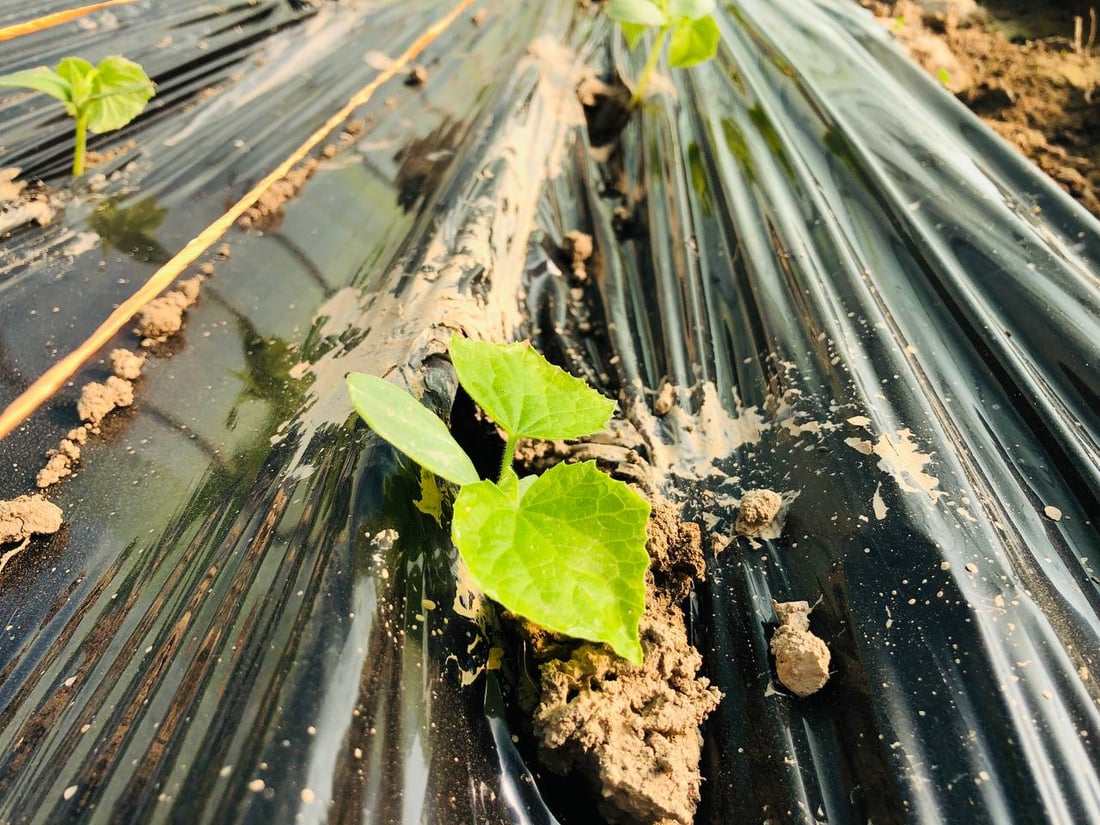
Young plants sprout through holes in black nylon sheets laid over farmland in the Kurdistan Region.
'Environmental damage'
KRG bans plastic mulch in agriculture, citing soil pollution from polyethylene sheeting
ERBIL — The Kurdistan Regional Government’s Ministry of Agriculture has officially banned the use of plastic mulch in farming, citing environmental concerns and warning that violators will face legal consequences.
In a directive signed by Agriculture Minister Begard Talabani, the ministry said it had documented continued use of plastic mulch—sheets of polyethylene used to suppress weeds and retain soil moisture—by farmers in various parts of the Kurdistan Region, particularly during seasonal cultivation.
“We have noticed that some farmers in the Kurdistan Region continue to use nylon on agricultural land,” the ministry said, using the common local term for polyethylene sheeting. “After harvesting, the nylon and other materials are left on or under the soil, contributing to environmental damage.”
Watermelon farmers in particular use long strips of plastic mulch across fields to prevent weed growth and reduce competition for water and nutrients. However, much of the material is left behind after the harvest. When not properly collected after harvest, the material can accumulate in fields, degrade into microplastics, and contaminate the soil. This long-term pollution poses risks to soil health, water infiltration, and microbial activity, prompting growing concerns among environmental experts and agricultural authorities worldwide.
The ministry has now instructed all agricultural directorates and field offices to enforce the ban and initiate legal procedures against farmers who continue using plastic mulch.
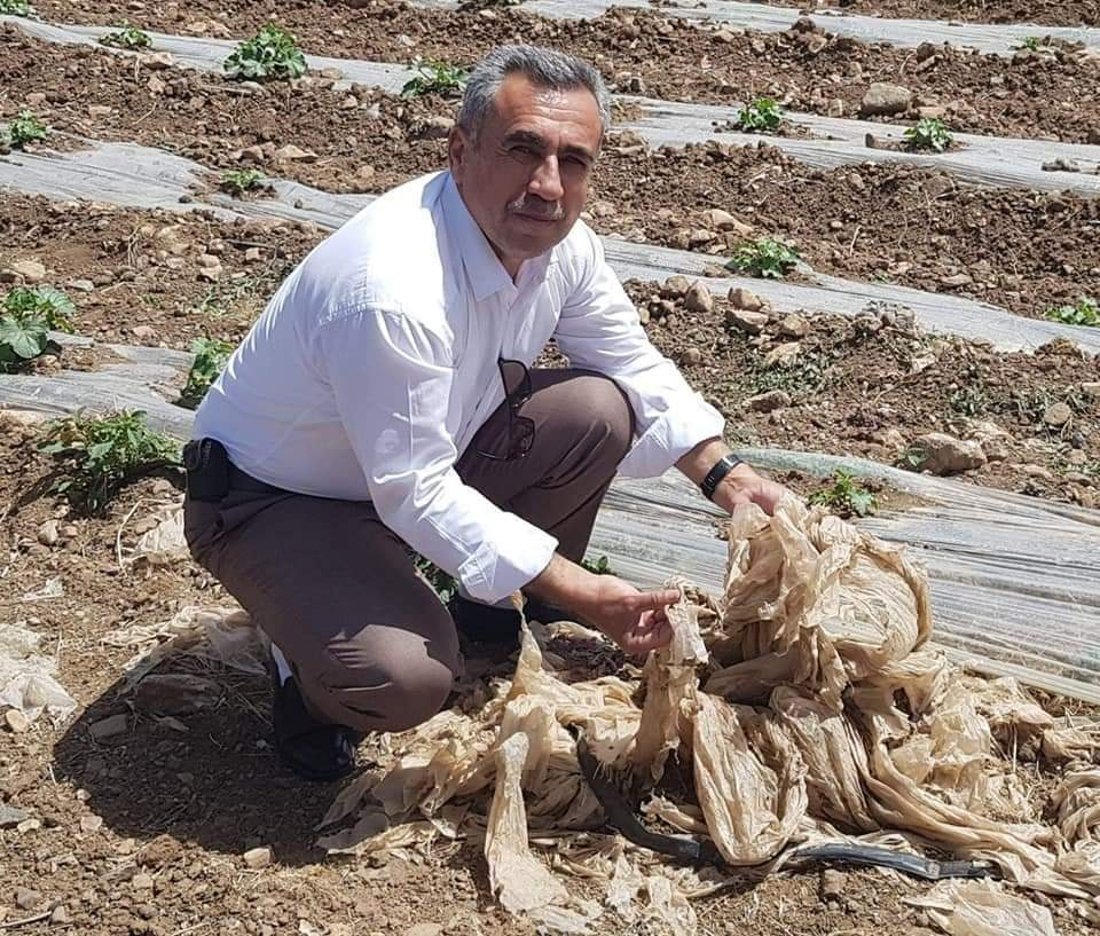
An agricultural official examines discarded plastic sheets left on a watermelon field in the Kurdistan Region.