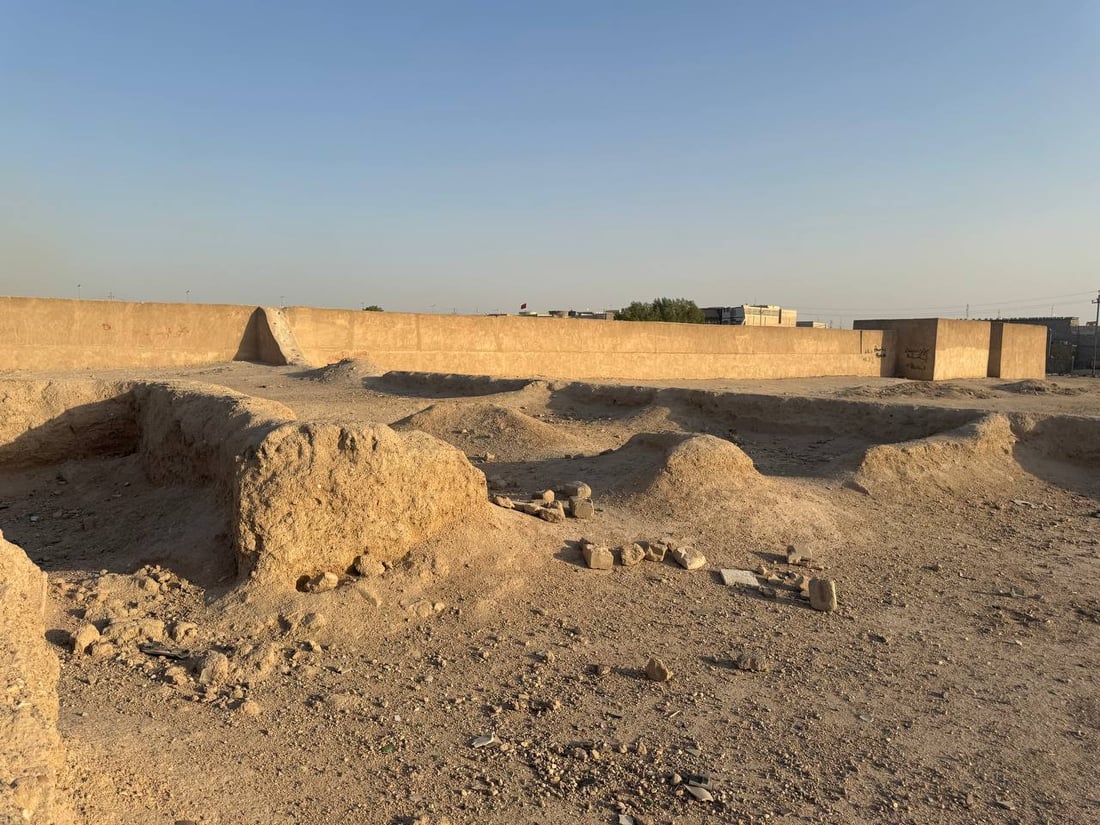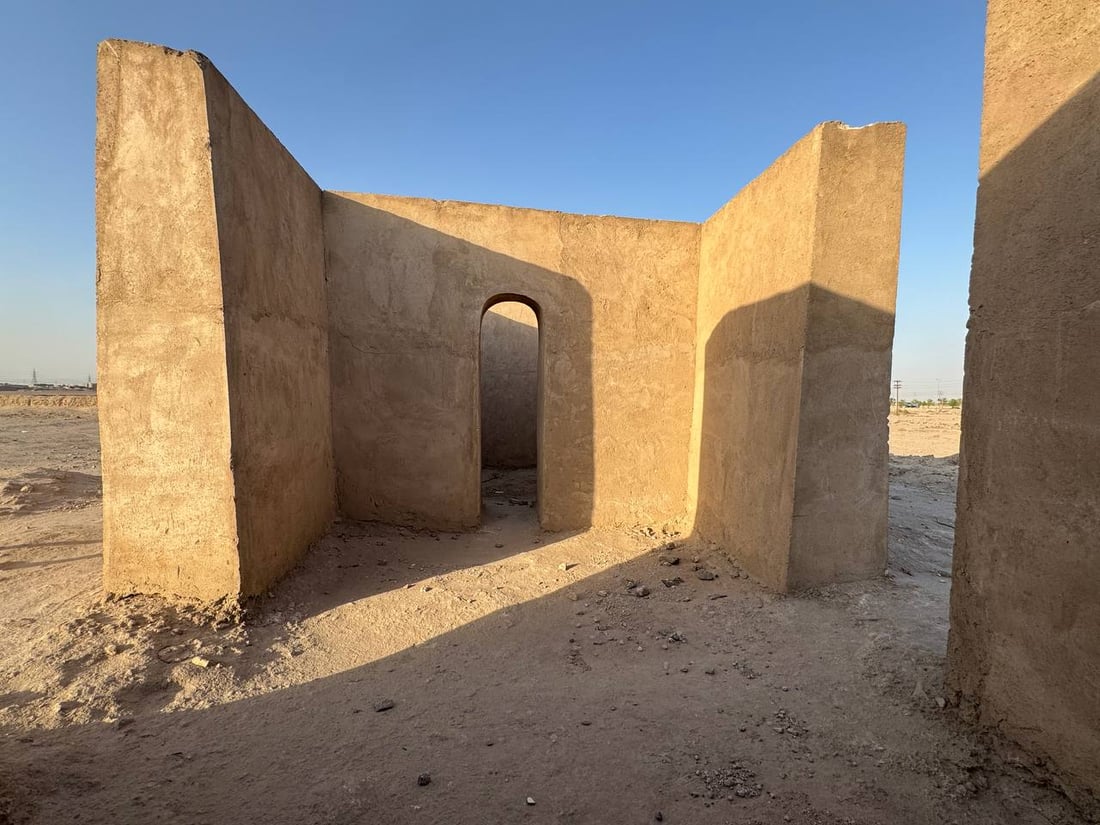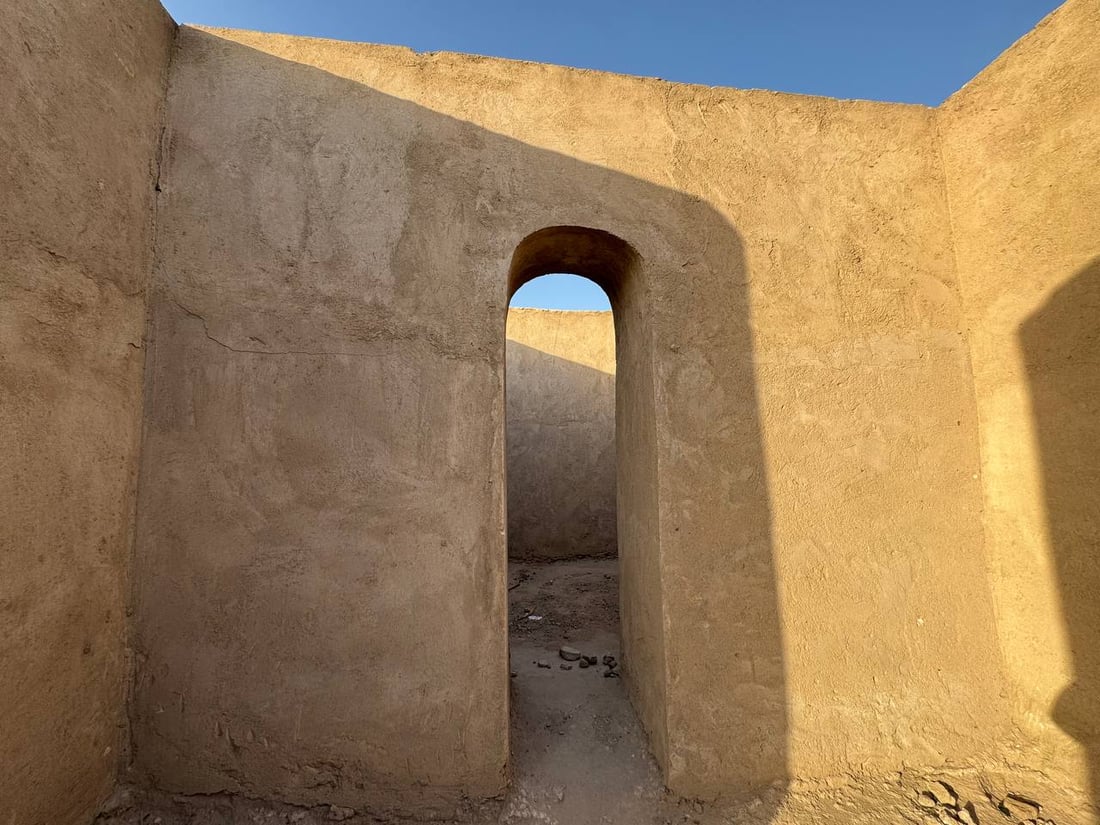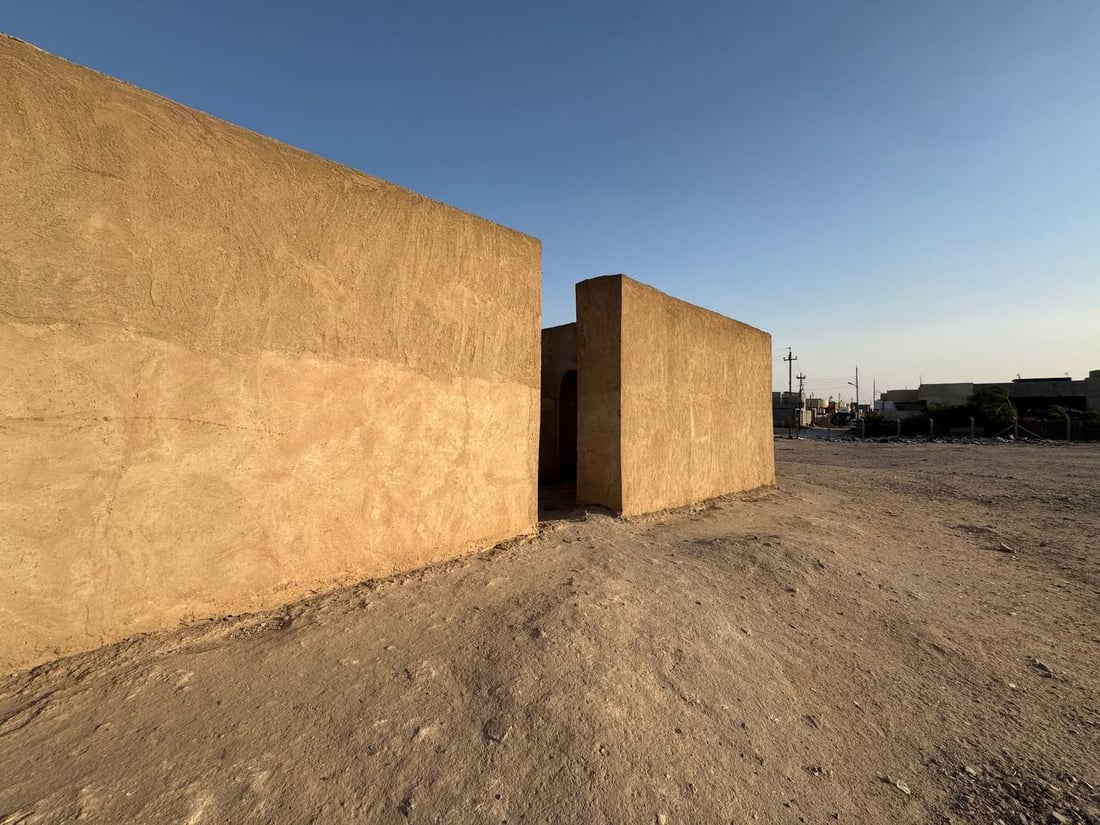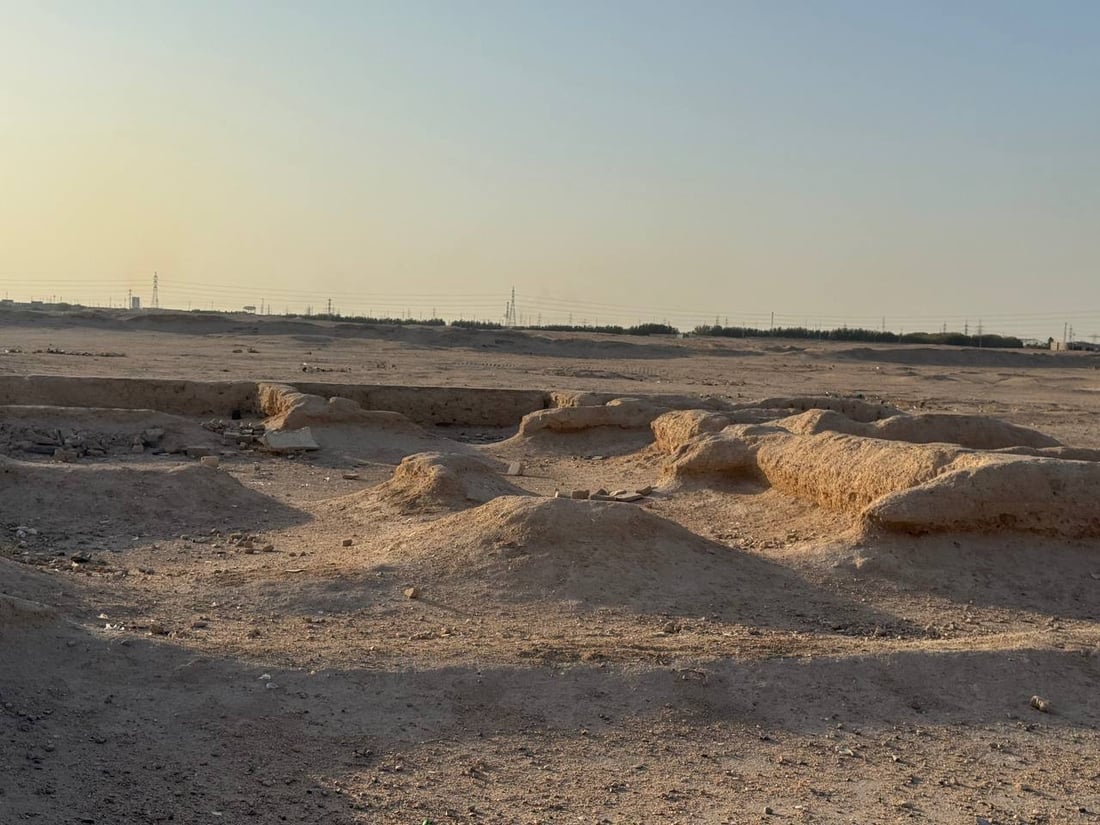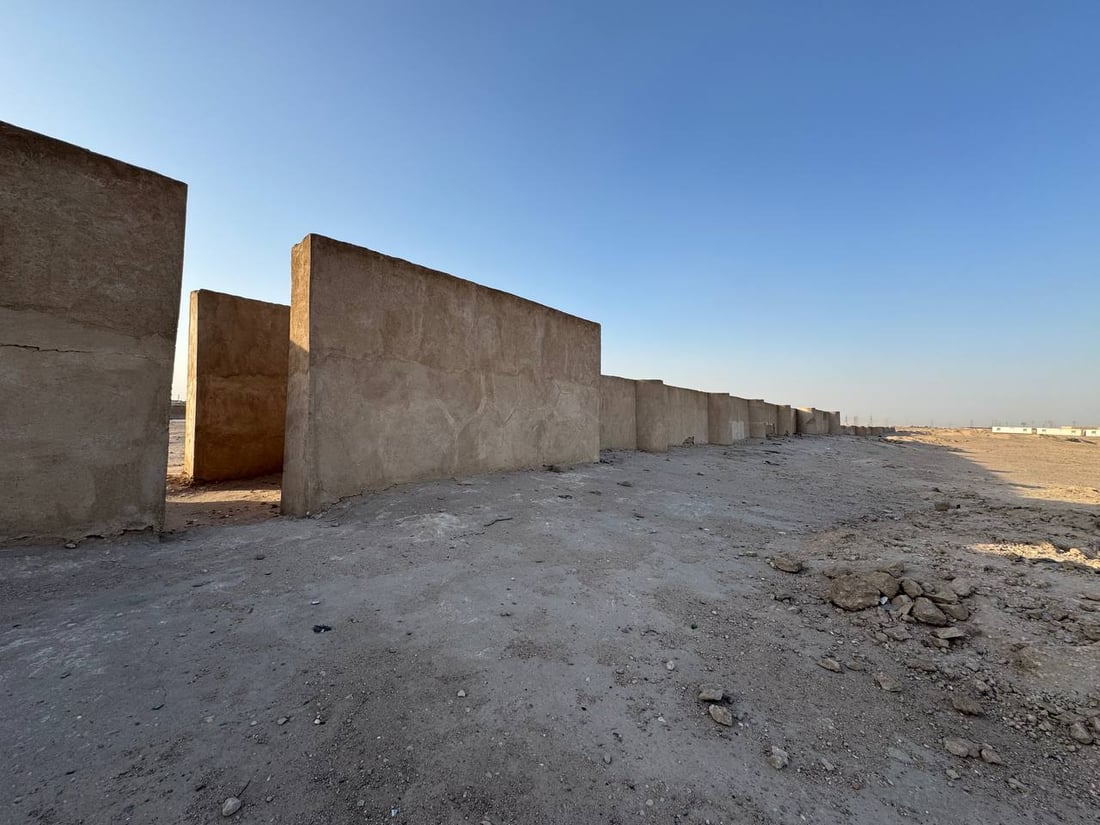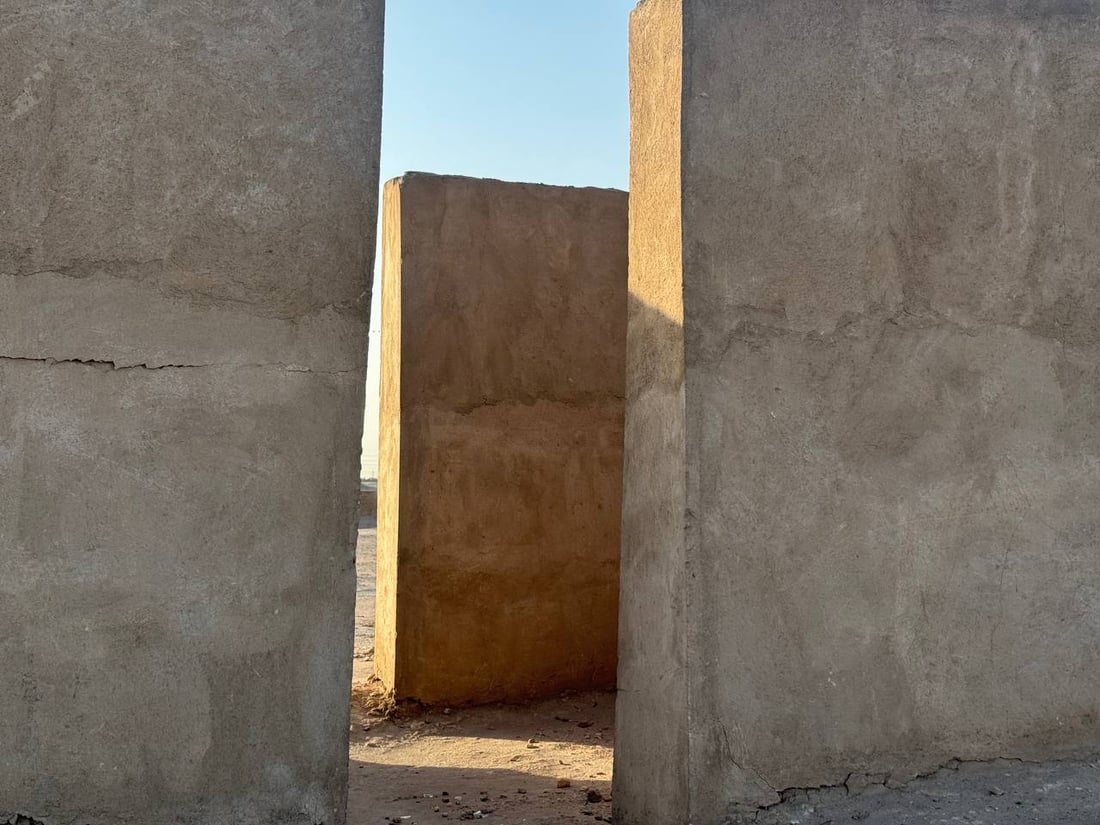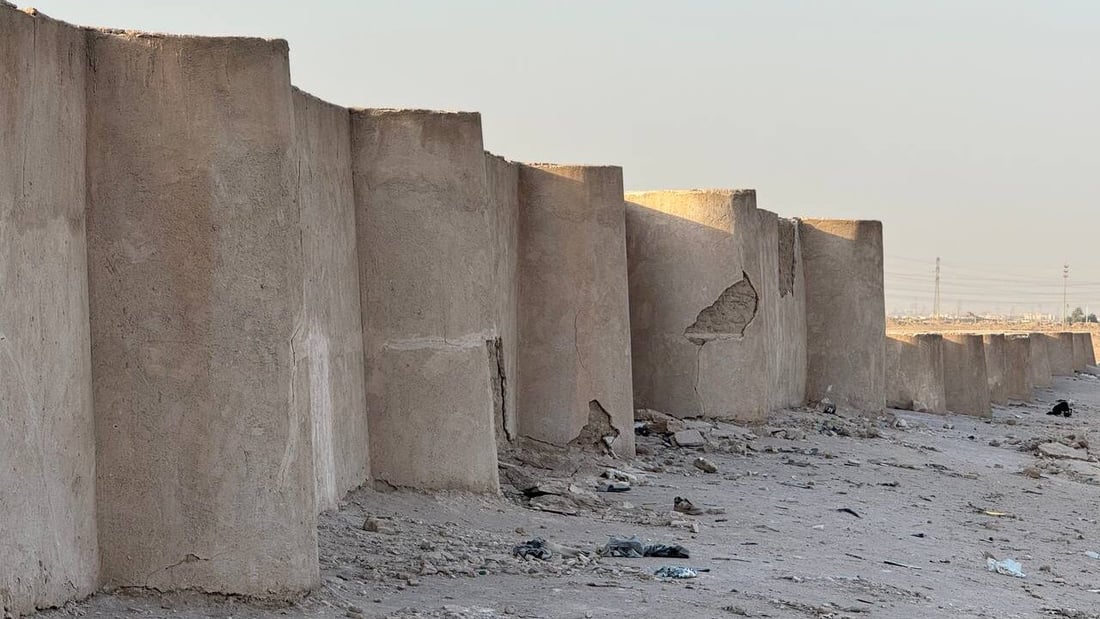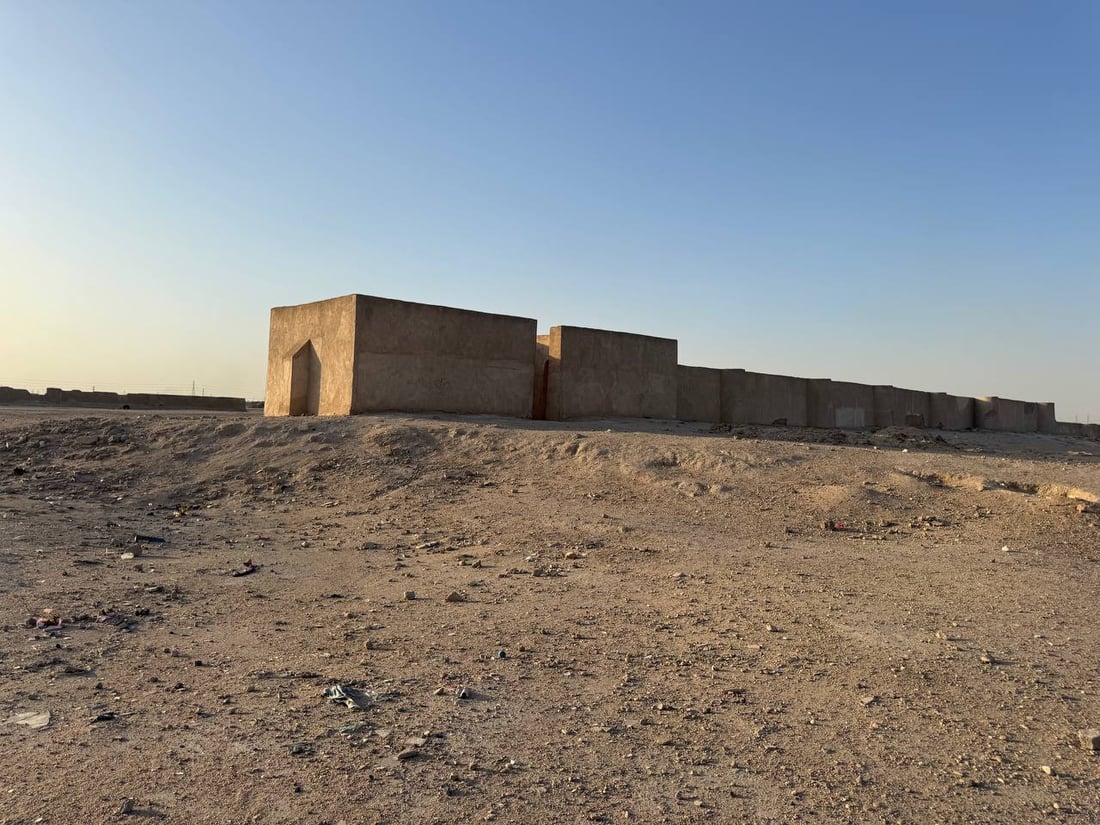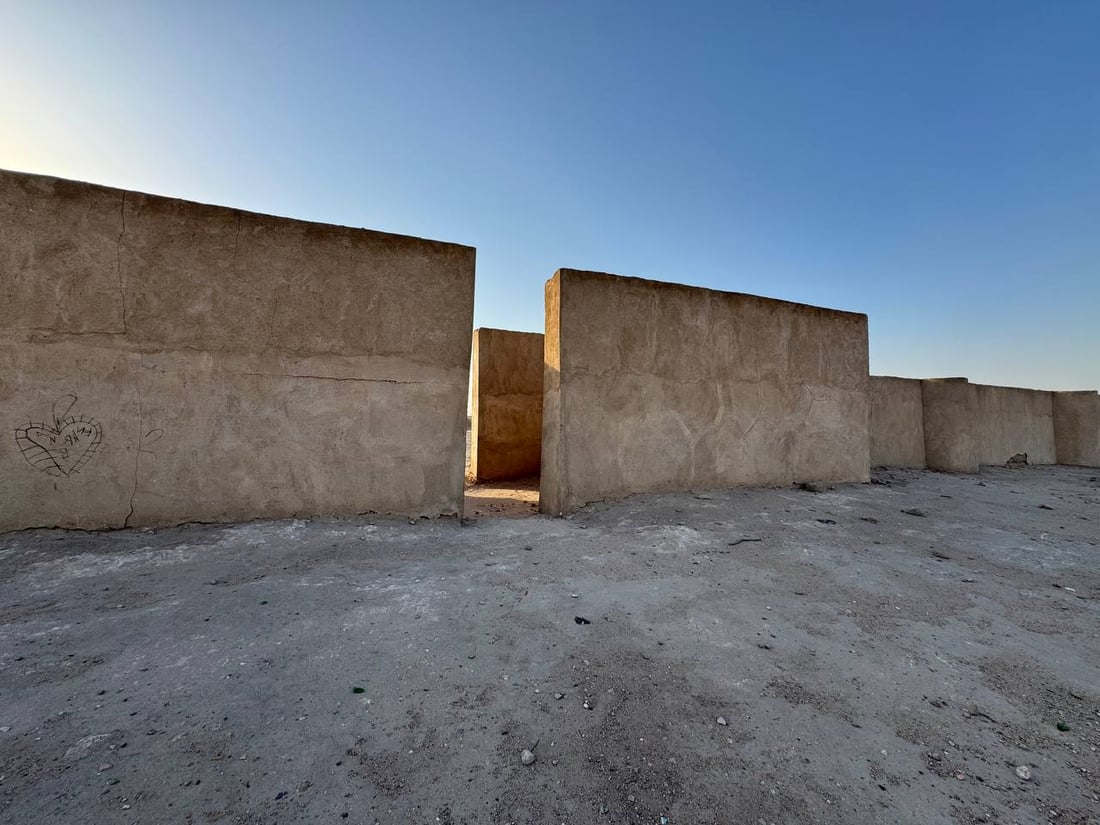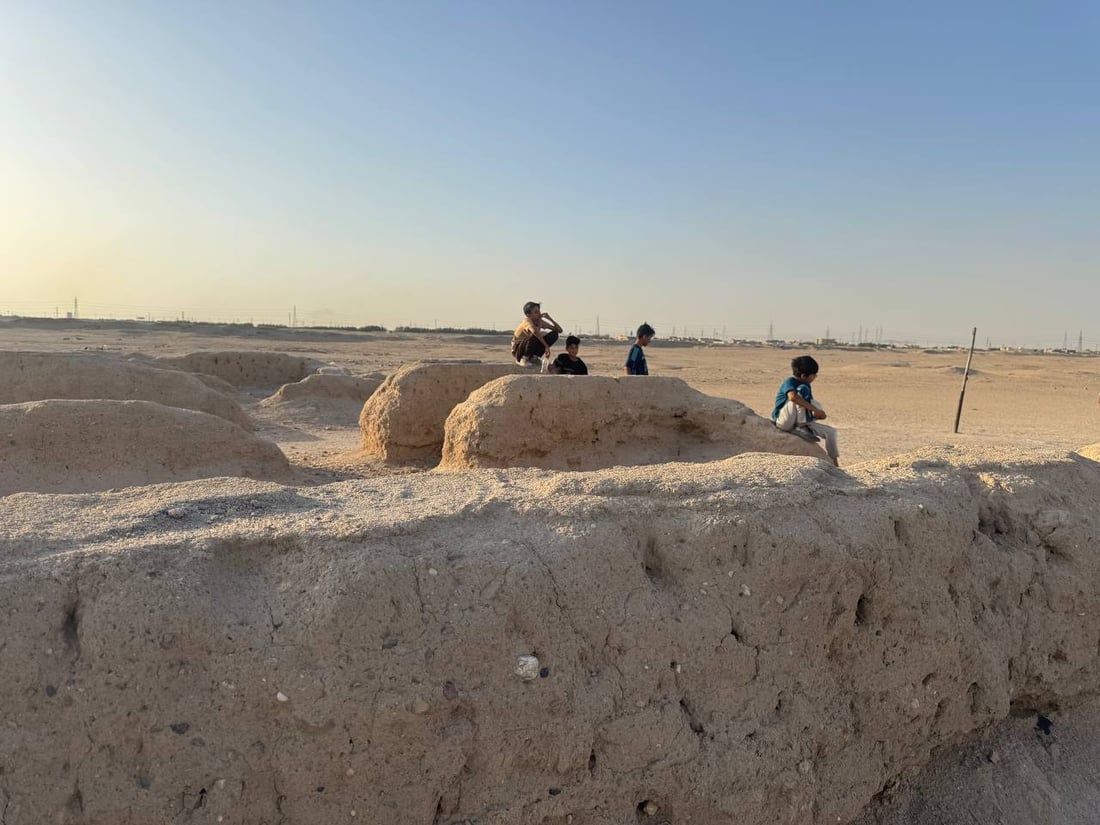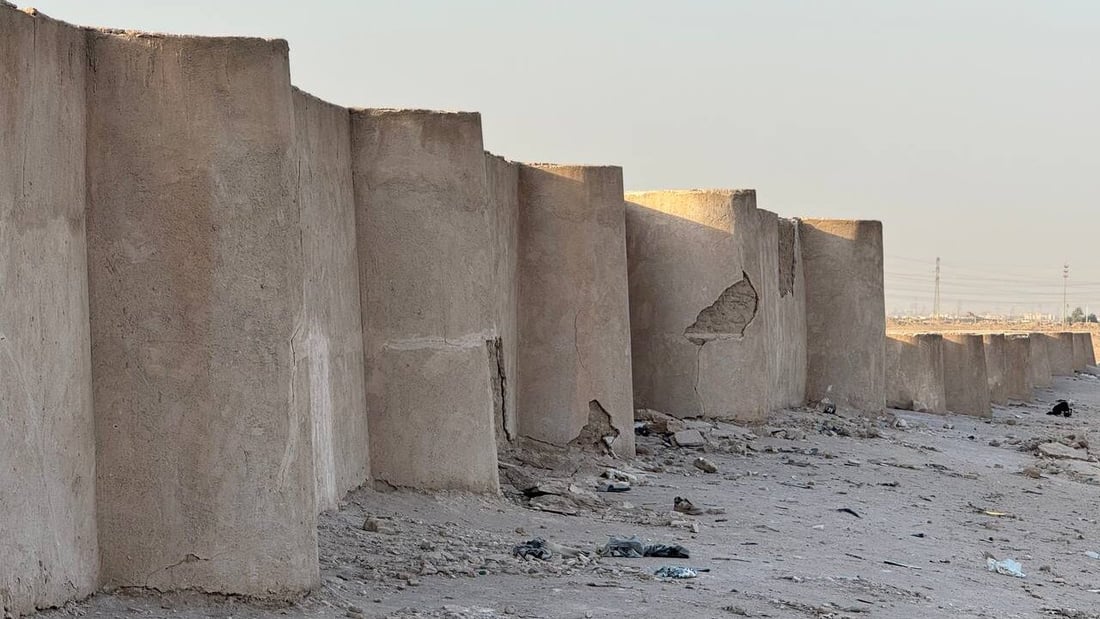
Restored Abbasid-era residential walls in the old city of Zubair, west of Basra, where excavation and conservation efforts have revealed structures dating back over 900 years.
Basra
Abbasid-era quarters restored in Zubair district, but remain closed to cultural use
ZUBAIR — Four restored residential quarters dating back to the Abbasid era in the town of Zubair, west of Basra, are now ready to welcome visitors and tourists but remain closed to public cultural activities, local officials and historians said. They are urging the government to formally include the site in Iraq’s tourism routes and open it as a hub for art, heritage, and historical engagement.
The site, commonly referred to as al-Dahna or the Forgotten City, is believed by researchers to be one of the earliest Islamic-era settlements prior to the relocation of Basra’s urban center to the banks of the Shatt al-Arab River.
“The area is known as ‘al-Dahna’ or ‘the Forgotten,’ or Old Basra, and based on its historic location, it may have been one of the first centers of settlement in the Islamic era before the move to the banks of the Shatt al-Arab,” historian and writer Adel Ali Ubaid told 964media. “Despite its historical importance, the area hasn’t received proper attention as a cultural or tourist destination. That’s largely because of the lack of cultural institutions and centers to host events and activities.”
Mustafa Al-Husseini, director of Basra’s Antiquities and Heritage Department, said the quarters were restored over a four-year period beginning in 2019. “These quarters are now completely ready to receive visitors and tourists,” Al-Husseini said. “The restored Abbasid quarters include fully excavated homes and others still under excavation. The layout is intricate and resembles extended family housing patterns, which made the process more delicate and required detailed work to preserve the original character.”
The restoration project, carried out in coordination with the local government, aimed to revive a set of quarters that date back more than 900 years, with some structures believed to have been built as early as the 7th century CE.
“These quarters were residential, but also included features like stables and fortified homes, which shows that Zubair was a fully developed urban nucleus during the Abbasid period,” Al-Husseini said.
The architecture reflects classic Abbasid-era design, featuring sun-dried and fired bricks, ancient plaster, arches, and narrow interlinked alleys. These features are consistent with those found in other Abbasid cities across Iraq.
The quarters, located in different areas of Old Zubair, represent the town’s earliest urban formation during the early Islamic centuries. Al-Husseini said work is underway to secure the sites and include them in Iraq’s official tourism map.
While regular public events have not yet resumed, the site has occasionally hosted cultural programs. “The site previously hosted several cultural events, including a heritage clothing fashion show by a local designer,” Al-Husseini said. “We are coordinating with civil society organizations in Basra to hold more events and promote this place as an open archaeological landmark.”
He said much of the restoration relied on exposed foundations and surviving structural elements. “Current plans aim to open the area to tourists through cultural routes that link the site to the broader Abbasid legacy of Zubair,” he said.