
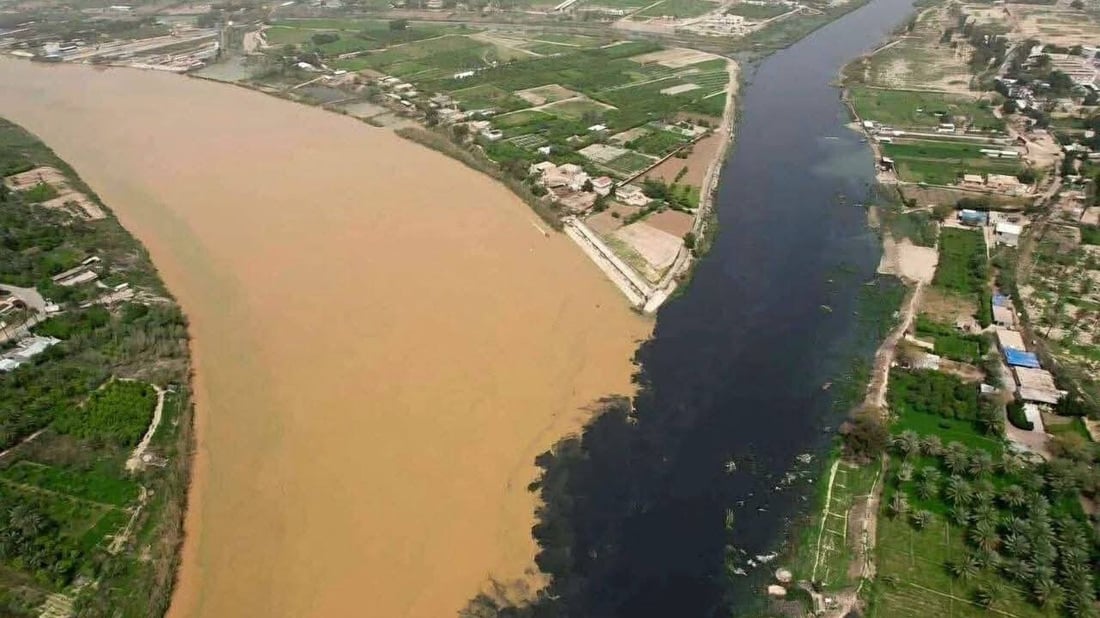
Ministries given a year to clean up the Tigris and Euphrates, minister says
BAGHDAD — Ministries and state institutions will have no more than a year to complete projects tackling pollution in the Tigris and Euphrates, the environment minister said, a day after a parliamentary committee described conditions in the two rivers as catastrophic and linked them to cancer and kidney failure.
The ministry has held several meetings with government agencies on Prime Minister Ali al-Zaidi’s instruction and is waiting for them to submit formal timetables, Srwa Abdulwahid said. “There are recommendations that we will announce soon, including allocating the financial resources needed to complete treatment projects,” she said. The proposed completion periods “must not exceed one year,” and “all institutions are committed to providing a realistic plan to address pollution in the Tigris and Euphrates rivers.”
Monitoring stations for water quality are planned along both rivers, modelled on the air-quality network already running in Baghdad. “We have air-monitoring stations in Baghdad, and we will establish stations to monitor water pollution on the Tigris and Euphrates rivers,” she said. The water project is still being developed, and the ministry is working to extend air monitoring to other governorates.
The parliamentary committee investigating the rivers said on Wednesday it had found dozens of pollution problems. Its chairman, Yousif al-Kalabi, described what it found as catastrophic and associated with illnesses including cancer and kidney failure. The inquiry began after a flood wave carried accumulated sediment from the Diyala River into the Tigris and widened as lawmakers found problems on both rivers. The committee is preparing recommendations including a declaration of maximum emergency, a national clean-up campaign led by the prime minister, amendments to environmental protection law and tougher penalties.
In Anbar, environmental authorities have taken legal action against facilities accused of discharging untreated wastewater into the Euphrates, with inspections of factories, car washes and sewage facilities near the river. The ministry has said that expanded sewage treatment could let Iraq recover more than 2 billion cubic metres of wastewater a year.