
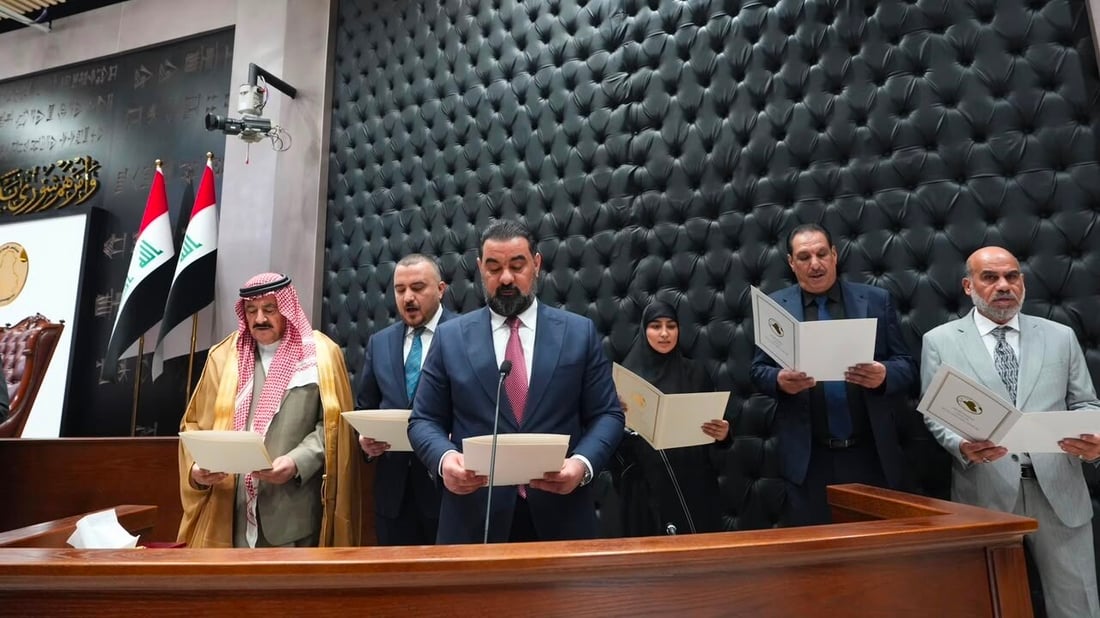
Parliament asks government to reconsider fuel price rise and report stocks monthly
BAGHDAD — Parliament has called on the government to reconsider a recent increase in petroleum product prices, restore subsidised fuel for farmers and report to lawmakers every month on refinery output, imports and strategic reserves, days after the oil minister said Iraq was importing petrol to cover a gap stocks can no longer absorb.
Resolution No. 55 of 2026 urges the Council of Ministers to review Cabinet Decision No. 429, which raised product prices, and to assess its effect on transport, production, employment, agriculture and domestic trade. It asks for an emergency plan for shortages caused by refinery declines or import disruptions, with an early-warning system and fair distribution between governorates, and for a timetable with milestones to reach self-sufficiency and cut imports to zero.
The monthly reports it asks for would cover crude supplied to refineries, product output, production and import costs, consumption, supply deficits and strategic reserves, along with minimum safe stock levels and each governorate’s allocation. Lawmakers also called for electronic tracking of fuel from depots to filling stations, covering tankers, quantities and delivery and sale times, to curb manipulation, smuggling and waste.
For farmers, the resolution recommends restoring subsidised prices with seasonal support tied to cultivated area and controls against diversion to the black market. For the Kurdistan Region, it calls for a review of the crude allocated to the Region and for kerosene to be secured before winter. It urges faster work on the Fluid Catalytic Cracking unit and other petrol-upgrading facilities under binding schedules, a review of the government’s new pricing model for crude supplied to state refineries before it is fully applied, performance reviews of senior officials in production, refining and distribution, and a resumption of sulfur exports.
Oil Minister Basim Mohammed Khudair told parliament this week that Iraq needs at least 5 million litres of imported petrol a day. Production averaged 28.857 million litres a day in August against consumption of 34.54 million, and strategic stocks have fallen to about 107 million litres from around 350 million, which at August’s rates would last about two months. The government ordered petrol imports halted in November 2025 after declaring self-sufficiency, but by June the ministry acknowledged a shortfall of 4 to 5 million litres a day after work on the FCC project was disrupted. It has since agreed with Japan’s JGC to resume the project, which officials say could add about 5 million litres a day. The Oil Ministry refused a Kurdistan Regional Government request for extra supply last month, citing reserves at their minimum critical level.
The refinery pricing model the resolution wants reviewed replaced a rate of 5,000 dinars a barrel with a 30% discount to global prices, and prompted protests by workers at the Shuaiba refinery in Basra.