
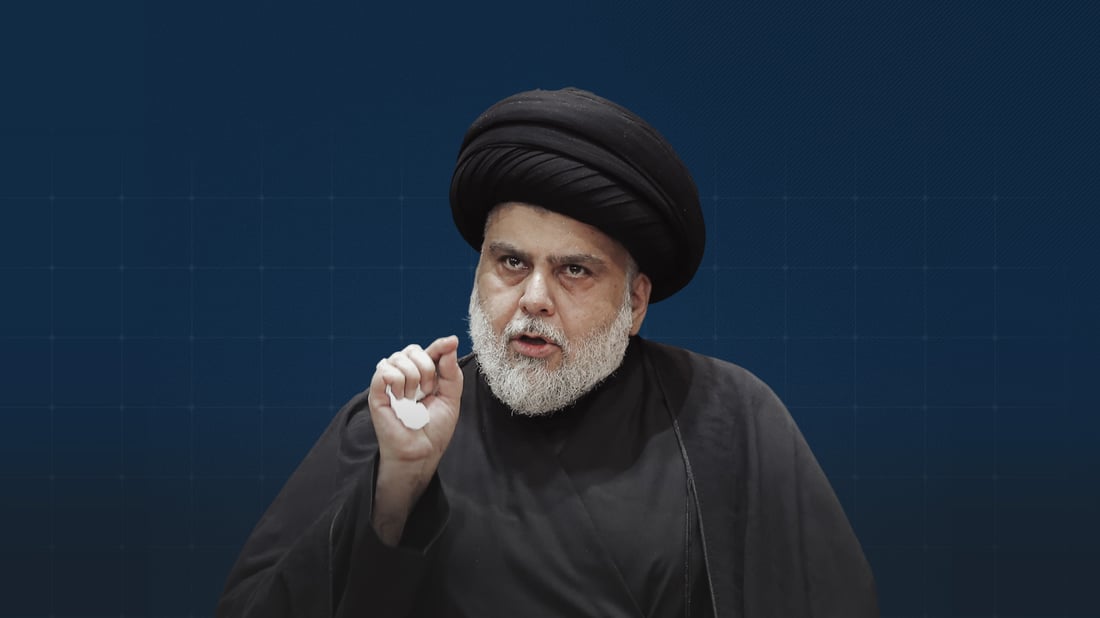
Shiite cleric Muqtada al-Sadr
Headscarf curbs in Azerbaijan’s schools are ‘secular extremism,’ Sadr says
BAGHDAD — Shiite cleric Muqtada al-Sadr on Tuesday condemned Azerbaijan’s restrictions on Islamic dress in schools as “secular extremism” comparable to “ISIS extremism,” warning that they would fuel religious tension and increase Western and Israeli influence in the country.
“Such decisions will activate, encourage and inflame extremism in your country, which we hope will become a model of moderation,” Sadr said in a statement on his official social media account, urging the authorities to reconsider. Secularism should protect personal freedoms rather than interfere with religious practice, he said, and banning the hijab would not make Azerbaijani society more secular but could strengthen the commitment of women who choose to wear it. He called the decision politically motivated, said it would marginalize moderate Islam, and pointed to Tunisia and Turkey, where he said restrictions on Islamic dress had failed to weaken religious observance.
Azerbaijan introduced new school uniform rules in September that bar clothing deemed inconsistent with the secular character of public education, and on Oct. 6 extended a business-style dress code to teachers. The rules do not explicitly mention the hijab, but some schools have turned away students and teachers wearing headscarves, prompting protests, classroom boycotts and dismissals of staff. Azerbaijani authorities arrested 37 people at demonstrations against the rules on Monday and opened criminal proceedings over alleged public disorder, the country’s Interior Ministry said, accusing some protesters of disrupting schools and damaging property.
The authorities have defended the rules as necessary to keep public education secular and uniform; critics say they restrict religious freedom and force girls and women to choose between their beliefs and their education. Azerbaijan’s constitution defines the state as secular and guarantees freedom of religion. About 96% of its population is Muslim, mostly Shiite. The country has close ties with Israel, a major buyer of its oil and a supplier of weapons.