
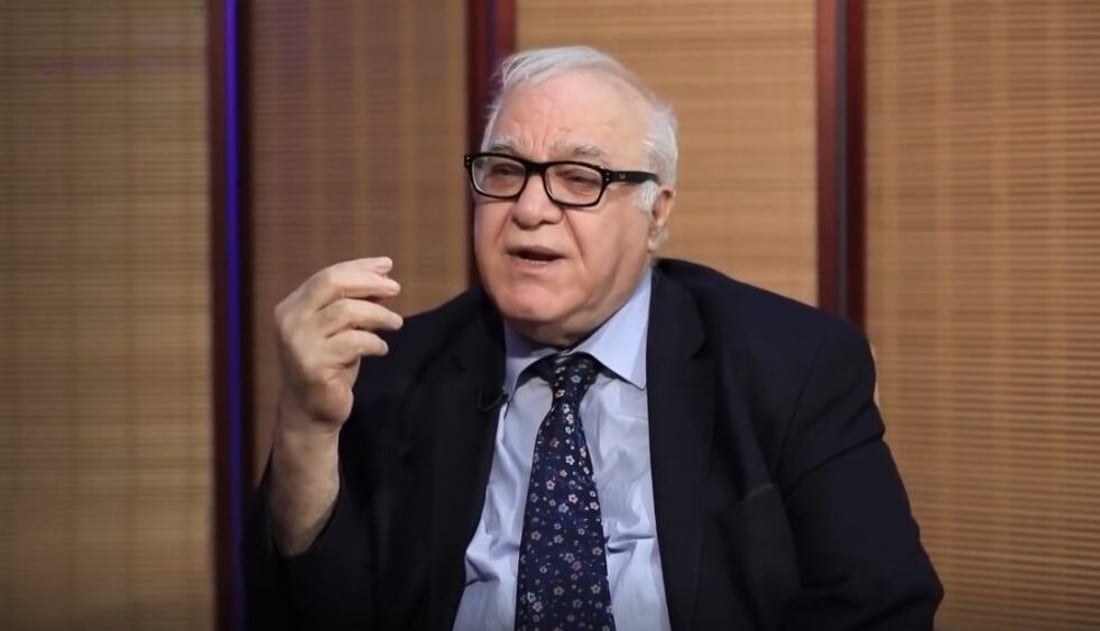
Prime Minister’s financial adviser Mazhar Mohammed Salih
Media Monitor
Recovered funds can ease Iraq’s deficit but are no fix for budgets, adviser says
BAGHDAD — Recovered funds from corruption cases are an “exceptional source” of revenue that can help reduce Iraq’s budget deficit and finance specific projects, but cannot be relied on as a permanent basis for state budgets, the prime minister’s financial adviser said Tuesday.
Mazhar Mohammed Salih told the Iraqi News Agency the recovered funds are “important and non-recurring exceptional revenues” that “cannot necessarily be relied upon on a permanent basis in preparing public budgets, but they constitute an important source of revenue in financial planning.”
Salih said such funds are generally directed toward “covering the budget deficit, financing specific projects that directly affect people’s lives, or strengthening the country’s financial reserves,” rather than being used to build the annual budget as part of long-term fiscal policy.
He said long-term budgeting depends on “the ceilings and capabilities of fiscal policy within the framework of preparing and implementing public budgets.”
Recovering assets from corruption cases is important, Salih said, because it “reduces financial waste, supports the public treasury, and enhances the confidence of citizens, investors, and the international financial community in the country’s economic system.”
The remarks come after Iraqi authorities seized another 25 billion dinars (about $18.9 million at the official rate), $1 million and about 5 kilograms of gold in the corruption case against former Deputy Oil Minister Adnan al-Jumaili, the Supreme Judicial Council said Monday, bringing the total recovered in the investigation to 127 billion dinars (about $96 million at the official rate) and $24 million.
The case has expanded quickly since Jumaili’s detention over alleged financial irregularities in the oil sector. Security sources familiar with the investigation have said interviews with Jumaili produced more than 100 names, though not all face arrest warrants or proceedings. The inquiry also formed the basis for “Dawn Strike,” the operation inside Baghdad’s Green Zone in which Counter Terrorism Service units and army forces carried out coordinated raids on current and former officials. Prime Minister Ali al-Zaidi has called the campaign the first phase of a broader effort.