
Trials begin next
Iraq to release 466 of the Islamic State detainees transferred from Syria
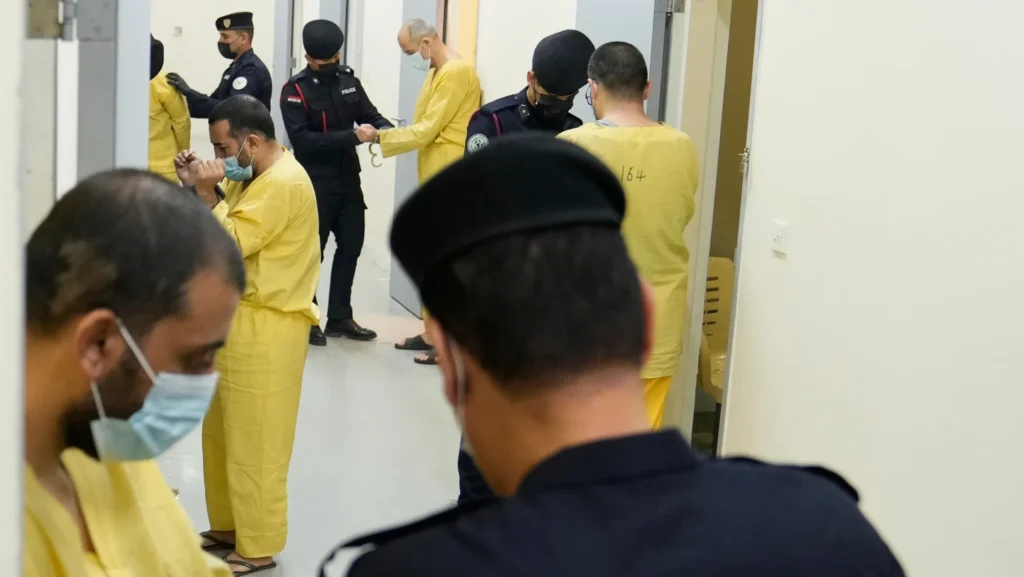
BAGHDAD — Iraq has finished questioning all 5,704 suspected Islamic State members transferred from northeastern Syria and is moving to release 466 of them for lack of evidence, the Supreme Judicial Council said, with the remainder now being referred to trial courts.
The First Karkh Investigative Court completed the investigative stage after months of questioning that began in February, the council said, with each defendant referred according to the evidence in their own case. Those to be freed are 457 Syrians, to be returned home through the Syrian embassy in Baghdad, seven Iraqis, and one Finnish and one American detainee to be handed to their governments — about 8% of the total.
Six suspects were identified as having had direct roles in the enslavement of Yazidi women, including detaining, transporting or selling them, or supervising or benefiting from the system, the council said. Investigators also identified people who allegedly held senior leadership, security, religious, military and media positions, and examined financial, logistical, administrative, medical and technical roles.
The detainees come from 67 nationalities, including 16 Arab, 19 EU and 32 other foreign, among them 3,497 Syrians and 474 Iraqis. Biometric evidence was collected including fingerprints, iris scans, DNA and palm prints, and cross-checked by an intelligence analysis centre drawing on the Interior Ministry, the National Intelligence Service, the National Security Service and Military Intelligence.
They were brought to Iraq after security disruptions at facilities in northeastern Syria in January raised concerns about escapes, in transfers by land and air coordinated with the international coalition, and held at Karkh Central Prison. Each defendant was given a lawyer in coordination with the Bar Association, detainees received medical examinations, the International Committee of the Red Cross visited, and several countries’ diplomatic missions were allowed to see their nationals. Cases will be heard under the 2005 Anti-Terrorism Law and the penal code, with a courtroom prepared with video links for high-risk defendants.