
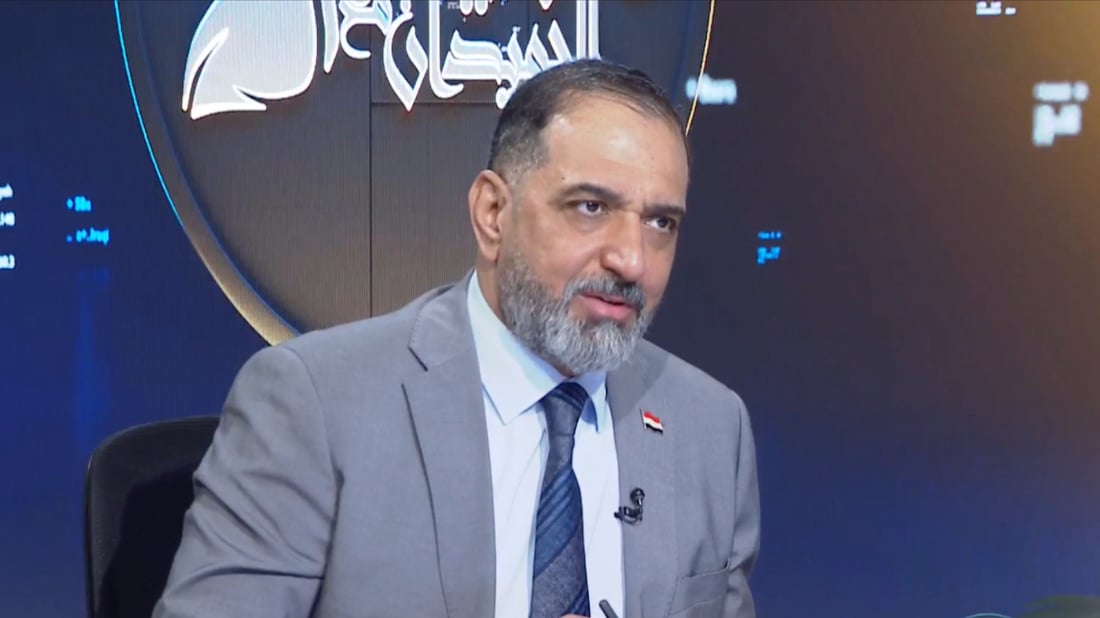
FILES: Aqeel al-Fatlawi, spokesperson for the State of Law Coalition.
Media Monitor
State of Law blames coalition partners for blocking its ministerial nominees
BAGHDAD — The State of Law Coalition continued Sunday to contest parliament’s rejection of its ministerial nominees, with coalition spokesperson Aqeel al-Fatlawi blaming partners within the Coordination Framework for agreeing before the session not to support their candidates.
“We blame our partners for not passing our ministers,” Fatlawi said in a televised interview. “At first, they told us we were forming a young government under a young prime minister, so we presented Yasser al-Maliki, but they did not accept him. Then we presented an experienced figure, Qasim Atta for interior minister, but he was not accepted either.”
Fatlawi denied that the rejections were linked to U.S. conditions, saying they resulted from “an agreement reached days before the session” by some political blocs. “They believed that not voting for our ministers would break the State of Law Coalition, but that did not happen,” he said. He added that some Sunni and Shiite forces viewed the challenge as a way to test or demonstrate their political strength.
On the interior ministry vote specifically, Fatlawi said Atta had obtained enough votes to win confidence. “Even Prime Minister Ali al-Zaidi said during the session that Qasim Atta had secured the required votes,” he said. “But the parliament speaker told him: ‘This is not your job, this is ours.'”
The accusations add to a growing dispute over the conduct of Thursday’s session. State of Law lawmaker Yousef al-Kalabi accused parliament’s leadership of misusing its authority and called the events “an insult to the council.” Hisham al-Rikabi, media head for coalition leader Nouri al-Maliki, accused Parliament Speaker Haibat al-Halbousi of violations that prevented Atta from being approved despite a majority. Huqooq bloc leader Hussein Mounes also questioned the accuracy of the vote count.
Parliament approved 14 ministers Thursday and passed the government program, but rejected nominees for planning, culture, construction and housing, higher education and interior. Voting on defense, labor, migration and youth and sports ministries was postponed.