
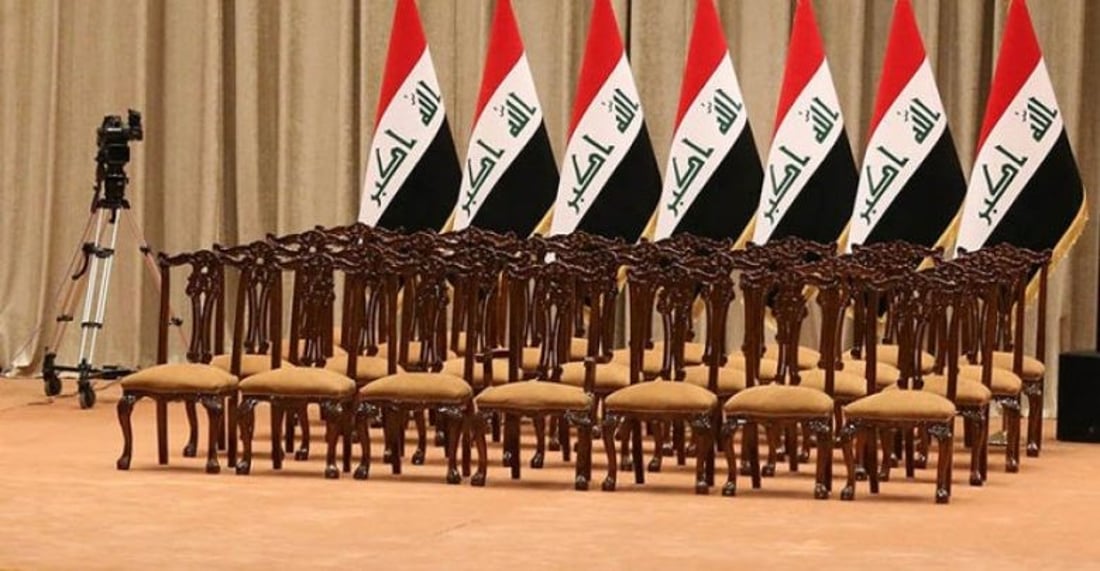
Iraq blocs begin jockeying for cabinet posts after Zaidi nomination
BAGHDAD — Political blocs within the Coordination Framework began negotiating cabinet shares within hours of nominating Ali al-Zaidi as prime minister-designate Monday, with allies of outgoing Prime Minister Mohammed Shia al-Sudani signaling expectations of key ministries in the next government.
Firas al-Musallamawi, spokesperson for the Reconstruction and Development bloc, said his group holds the largest number of seats within the framework and expects a leading role in cabinet formation. He said the Shiite component is expected to receive 12 ministries distributed according to political weight and parliamentary seats, with his bloc expecting “at minimum, four or five ministries, depending on the ministry and its size.”
“We are the bloc with the largest number,” Musallamawi said, adding that his group had prioritized “the public interest” to end the deadlock by backing al-Zaidi. He said the bloc would “work to complete the achievements carried out by the government of al-Sudani” and described al-Zaidi as “counted on all of the framework, not on one side.” He also said al-Zaidi was one of 45 candidates considered by the framework, and pushed back against suggestions of foreign influence in the selection: “The decision of the prime minister was a decision of the Coordination Framework, which is responsible for his success and failure, not America.”
The framework announced al-Zaidi’s nomination late Monday, praising what it described as “historic positions” by State of Law Coalition leader Nouri al-Maliki and al-Sudani for stepping aside. A political source told 964media that al-Sudani left the meeting at the government palace before a group photo was taken, though his bloc confirmed the nomination had his backing and resulted from an agreement between him and Maliki.
Al-Zaidi now has 30 days to form a cabinet, draft a government program and secure approval from the 329-member parliament. The framework had missed the 15-day constitutional deadline tied to President Nizar Amedi’s April 12 inauguration — a delay some legal interpretations described as a second constitutional breach, following a 71-day delay in electing the president earlier this year.