
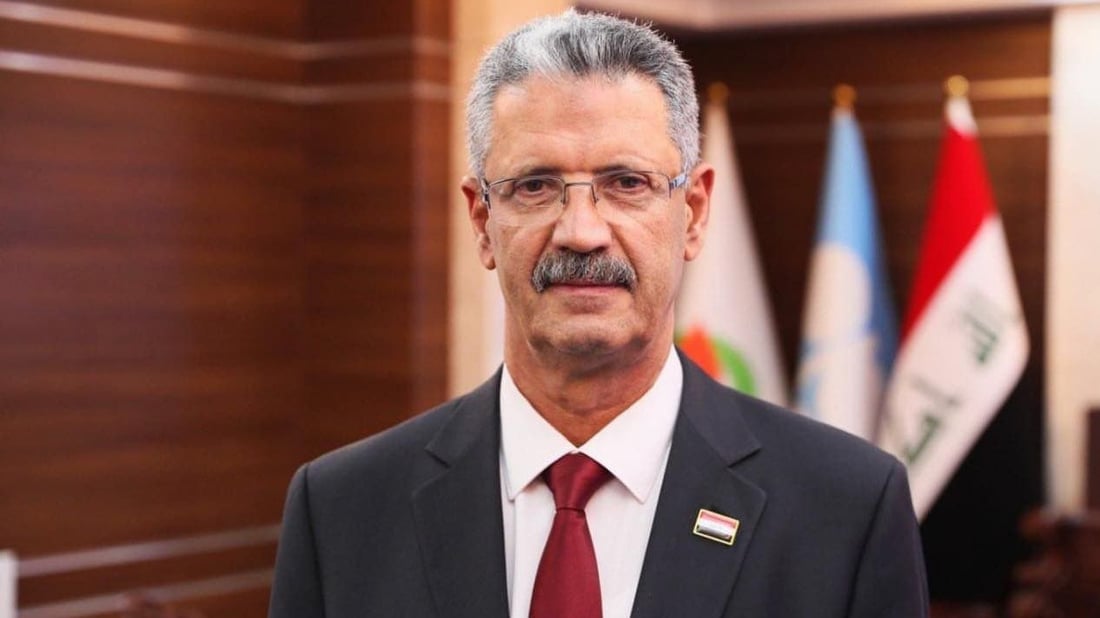
Iraq Oil Minister Hayan Abdul Ghani
Iraq moves to bypass Kurdistan Region in Kirkuk export plan
BAGHDAD — Iraq’s oil minister claimed the government is preparing to export crude directly from Kirkuk to Turkey without passing through the Kurdistan Region, with final pipeline testing expected within a week.
In a video statement, Oil Minister Hayan Abdul Ghani said crews from the Oil Ministry have nearly completed repairs to the pipeline linking Kirkuk oil fields to the Iraq-Turkey pipeline.
“There is a remaining section of about 100 kilometers that requires testing,” Abdul Ghani said, adding that teams from the North Oil Company and the Oil Projects Company have begun the hydrostatic testing process.
“This hydrostatic test is considered the final stage of the pipeline rehabilitation operations,” he said.
Abdul Ghani said the work is expected to be completed within a week, allowing crude from Kirkuk fields to be pumped directly into the Iraq-Turkey pipeline.
“Within a week from now this test will be completed so we can pump crude oil from the Kirkuk fields directly to the Iraq-Turkey pipeline without passing through the Kurdistan Region,” he said.
The minister said Iraq is aiming to export around 200,000 to 250,000 barrels per day of Kirkuk crude through the pipeline once operations begin.
At the same time, Abdul Ghani said negotiations with the Kurdistan Regional Government over using the pipeline route that crosses the Kurdistan Region have not yet produced an agreement.
“Until now we have not reached an agreement with our brothers in the region to export this quantity,” he said.
Iraq has been searching for alternative export routes after tanker traffic through the Strait of Hormuz was disrupted during the regional war, cutting off southern terminals near Basra that normally handle the vast majority of Iraq’s oil exports.
The pipelines to Turkey’s Mediterranean port of Ceyhan has therefore become central to Iraq’s efforts to restore crude exports.
A dispute between Baghdad and the Kurdistan Regional Government over restarting shipments through the pipeline has intensified in recent days. Iraq’s Oil Ministry said the Kurdistan Regional Government had refused to resume exports despite a federal request to restart shipments of up to 300,000 barrels per day.
The Kurdistan Regional Government’s Ministry of Natural Resources rejected Baghdad’s account, saying the federal government had “distorted the issue” and pointing to economic restrictions and attacks on energy infrastructure that it said halted production.
Iraq’s parliament is expected to host federal and Kurdistan Region oil officials Tuesday evening to discuss mechanisms for restarting exports through the Ceyhan pipeline as tensions between Baghdad and Erbil continue.