
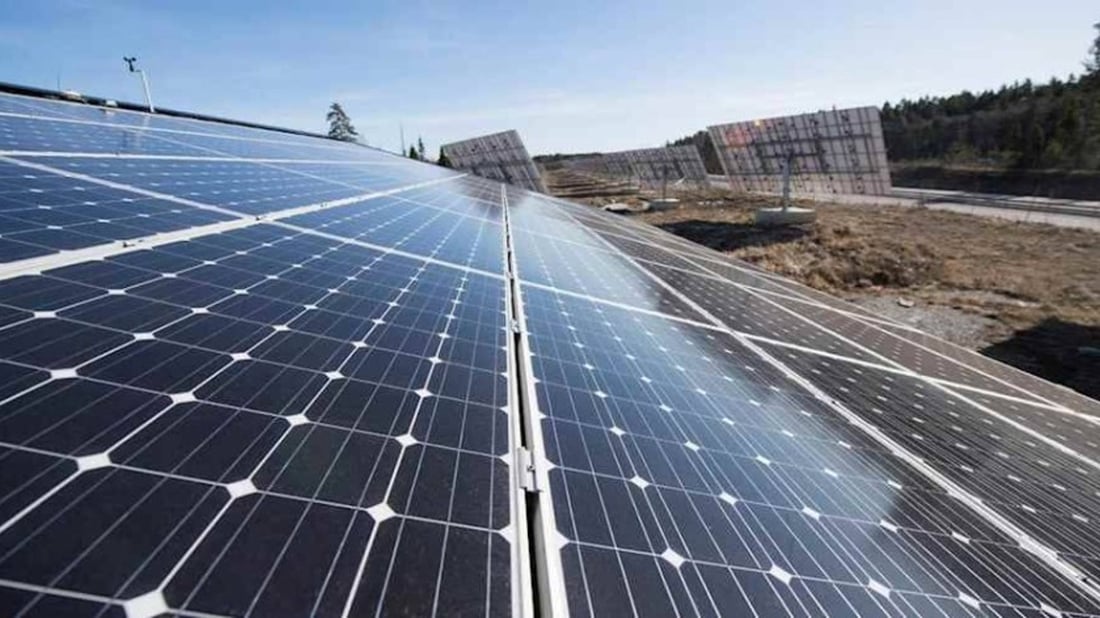
Iraq pushes solar adoption as electricity gap hits 50 percent
BAGHDAD — Iraq’s National Renewable Energy Team called Wednesday for wider adoption of solar power systems, citing a widening electricity gap and reduced barriers to entry including Central Bank financing.
Team head Naseer Karim told the Iraqi News Agency that electricity demand has outpaced supply by 50 percent, with about 30,000 megawatts available for the coming summer season against demand of 60,000 megawatts.
Karim said the government is focusing first on the government sector, followed by residential areas and subdistricts. So far, 535 solar systems have been allocated to government buildings, with more than 160 schools and about 10 health centers in Baghdad and other governorates running on solar power for more than three months.
A broader plan covering the entire public sector is pending approval by the Council of Ministers, Karim said.
There is a five percent tariff on solar power equipment.
Iraq faces chronic electricity shortages, particularly during summer when temperatures often exceed 50 degrees Celsius. In August, Electricity Minister Ziyad Ali Fadel said Iraq reached a record 28,000 megawatts through maintenance and station upgrades. The national grid remains weak due to decades of war, underinvestment and infrastructure damage.