
(Photo: 964media)
'Reviving the heritage'
‘Mosul Pulse’ project launched to rehabilitate old city neighborhoods
NINEVEH — Prime Minister Mohammed Shia Al-Sudani on Sunday launched the first phase of the “Mosul Pulse” project, aimed at rehabilitating the alleys and neighborhoods of Old Mosul. The initiative is modeled on the “Baghdad Pulse” program, which focuses on preserving historic areas of the capital.
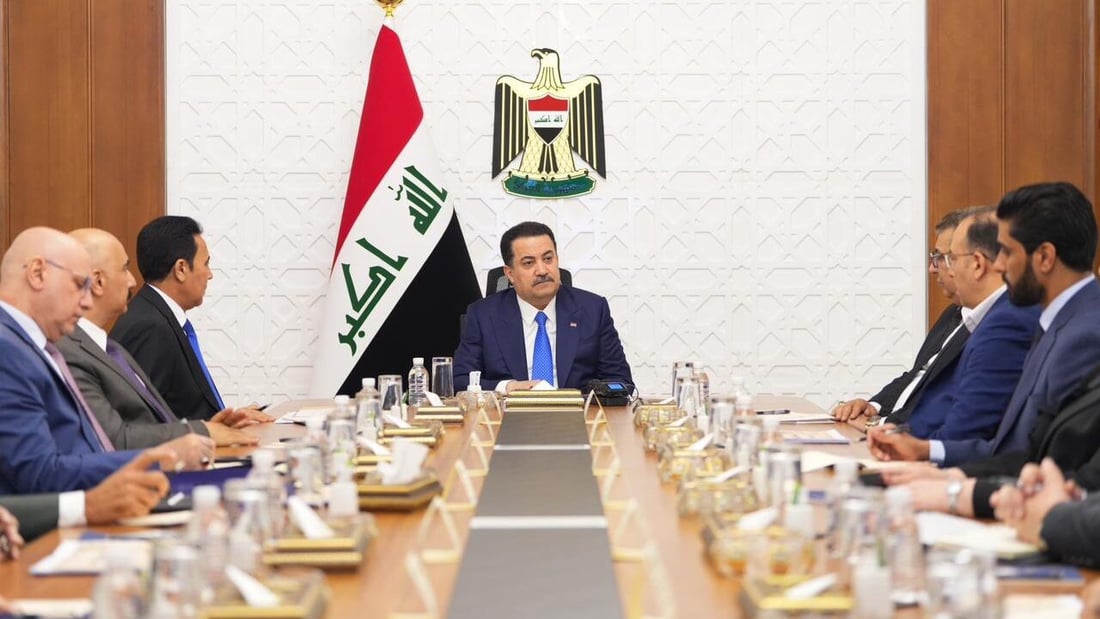
Al-Sudani chaired a meeting in Mosul attended local officials. The session included a presentation outlining the project’s phases and the archaeological and heritage sites it will address.
The Old City of Mosul stood out for its traditional urban layout: a dense network of narrow alleyways and old residential buildings, many built with the distinctive local alabaster stone.
“The ‘Mosul Pulse’ project is essential to reviving the heritage of this ancient city and transforming it into an important tourism destination,” the prime minister said, reaffirming Mosul’s historical and cultural significance.
He directed the formation of a committee, chaired by the governor, to oversee the project’s implementation. He also called for the use of specialized and reputable companies to ensure the preservation of heritage and adherence to engineering and technical standards. A consulting firm will be contracted to support the project, which will be jointly funded by the government and the Iraqi Private Banks League.
The first phase covers the rehabilitation of Al-Farouq Street, a 2-kilometer stretch linking the riverfront to Old Mosul landmarks including Al-Nuri Mosque and the Clock Church.
In 2014, ISIS seized Mosul and quickly declared control of the city, using it as a base to expand its so‑called “caliphate.”
Upon takeover, ISIS launched a systematic campaign targeting the city’s cultural and religious heritage — destroying what it considered “idolatrous” sites, including mosques, churches, museums, historic houses, and other monuments.
The battle to retake Mosul from ISIS involved intense fighting in densely built neighborhoods. The fighting, combined with coalition airstrikes, caused large-scale destruction across the city— many buildings were reduced to rubble, and the historic street‑grid and traditional houses suffered severe damage.