
Assets traced nationwide
Iraq auditing 6,000 people over unexplained wealth, sources say
BAGHDAD — Iraqi authorities are examining the finances and assets of about 6,000 people in the first stage of a widening anti-corruption campaign, with potential recoveries put at nearly $5 billion, sources familiar with the investigations told 964media.
The inquiries have accelerated in Baghdad and other governorates over the past month, targeting businesspeople, government contractors, real estate dealers, tribal figures and others over suspected unexplained wealth, agricultural land transactions and stalled state projects, the sources said. Some have been detained; assets belonging to others are being traced.
“The list of 6,000 does not represent the final number of people whose files are being audited, but rather the first stage of a broader process,” a source at the Federal Commission of Integrity said, adding that investigators were looking at the scale of financial activity and wealth built up over previous years rather than targeting particular professions.
The $5 billion is an estimate of what might be recovered from this first group, not money already seized, and covers cash, real estate, vehicles, gold and other assets. Individual cases carry different figures — some around 1 billion dinars, others 10 billion, 100 billion or more, the sources said. Investigators are comparing known income and business activity against assets accumulated over previous years. Precautionary holds have been placed on vehicles, gold, cash and other property belonging to some detainees pending inquiries into their origin, which does not by itself establish that anything was obtained illegally.
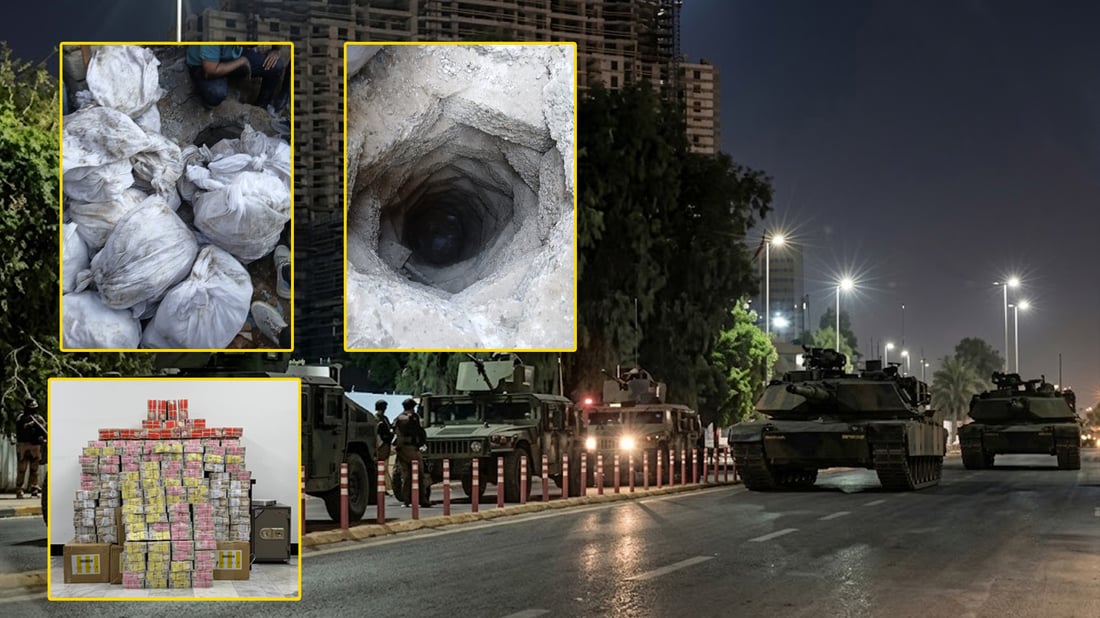
For scale, the Jumaili investigation — the case that started the campaign — has produced about 82 billion dinars and $152 million in cash along with 484 kilograms of gold, worth in the region of $260 million.
Agricultural land has become a major line of inquiry. Investigators are examining people who bought farmland, subdivided it and sold plots that later became residential areas, a common pattern of urban expansion around Iraqi cities, tracing transactions from the original purchase through subsequent sales and the roles of companies and real estate offices at each stage. Contractors are under particular scrutiny because large state contracts overlap with extensive private holdings, with money received through public projects compared against property later registered to them or to people close to them.
The pace has prompted some people sought by authorities to leave the country, according to sources familiar with the cases, some after learning that associates had been detained. Jordan and Iran were among the destinations cited. Investigators are treating those departures as part of their assessment of individual cases.
The campaign gathered pace after the arrest of former Deputy Oil Minister Adnan al-Jumaili, whose interrogation state media cited as the basis for a June 28 operation inside the Green Zone involving armoured vehicles and Counter-Terrorism Service forces. State media said 47 lawmakers and officials were arrested, with 15 names made public; 964media could not independently verify the total. Investigators searching properties belonging to detained Deputy Electricity Minister Khalid Ghazai Atiyah found $5.8 million, 1.175 billion dinars and seven gold bars, with footage showing cash beneath flooring and inside a false ceiling.
Prime Minister Ali al-Zaidi and Supreme Judicial Council President Faiq Zaidan have discussed a recovery-for-leniency framework under which suspects who voluntarily return money or property could face reduced measures, which judicial authorities say would not amount to a blanket amnesty. Sitting lawmaker Mohammed Nasser Dali al-Karbouli was sentenced in July to two years for soliciting a $50,000 bribe.