
Local tech innovation
Iraqi engineer builds locally made smart home systems to cut energy waste
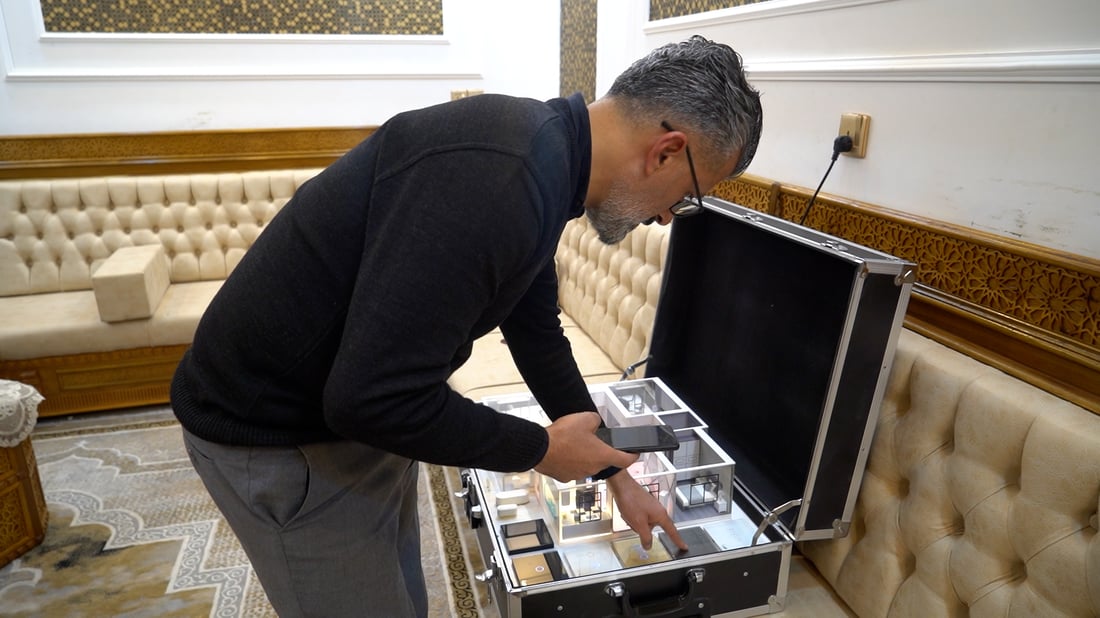
SAMARRA — An Iraqi engineer is developing locally manufactured smart home systems aimed at reducing energy waste, preventing electrical hazards and improving accessibility, expanding a project he began three years ago in Tikrit to cities across the country.
Ahmed al-Barrak, 41, who holds a bachelor’s degree in mathematics, said he launched the project to allow residents to control lighting, electrical appliances, doors, curtains and climate systems remotely through mobile phones or voice commands. While smart home technology is widely used globally and increasingly present in Iraq, al-Barrak said his focus is on affordable, locally made solutions.
“This project is a solution to reduce electricity waste, protect devices from damage caused by prolonged operation, and prevent house fires resulting from electrical faults,” al-Barrak told 964media. He added that the system also “provides greater comfort and helps people with special needs manage their homes more easily.”
Al-Barrak recently relocated to Samarra, where he works in the literacy department of the Salah al-Din Education Directorate, while continuing to develop and install his technology. He said frequent absences from home initially pushed him to design remote-control systems that allow users to turn devices on and off and regulate indoor temperatures through heating and cooling systems.
Over the past three years, al-Barrak said he has installed smart home systems in residential complexes in the Kurdistan Region, as well as in private homes, residential towers and government institutions. The work has since expanded to Baghdad, Basra and Ramadi, with further installations planned in Salah al-Din governorate.
According to al-Barrak, the system can detect human presence, automatically switching lights on when someone enters a room and turning them off when it is empty, helping conserve energy and improve safety. He said most of his clients are government employees and people who travel frequently.
He also challenged the perception that smart home systems are prohibitively expensive. “On the contrary, they help save energy,” al-Barrak said, adding that integrating smart controls during a house’s design phase can reduce wiring requirements and lower overall construction costs.