
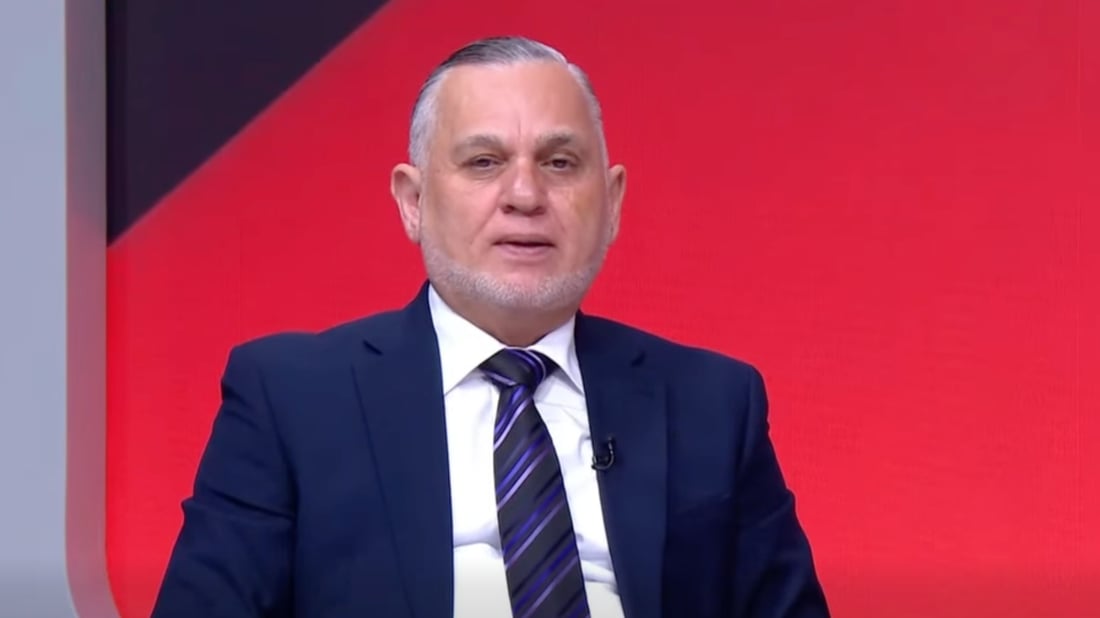
Most factions accept weapons deal but some want longer to hand over, MP says
BAGHDAD — A majority of armed factions have accepted the Coordination Framework’s agreement to bring weapons under state control, but the handover period is still disputed, with some pressing for two years against a proposed six months, the head of the Reconstruction and Development bloc said.
“The factions agreed to the latest agreement. Not everyone, but the majority agreed,” Bahaa al-Araji told Dijlah TV. “The six months during which the weapons would be received became a point of disagreement within the Framework. At the beginning, there were those demanding two years, and some still want two years.”
A six-month handover after the initial three months matches the timetable Prime Minister Ali al-Zaidi gave The New York Times this week, ending on June 30, 2027. That is the date U.S. envoy Tom Barrack said Washington and Baghdad had agreed. A two-year handover would run to the end of 2028.
The first three months would centre on a commitment from the factions not to attack neighbouring countries, the Gulf states or the Kurdistan Region, which Bahaa al-Araji said was also meant to head off American or Israeli military action. “The focus was on the factions providing a commitment not to strike neighboring countries, the Gulf or Kurdistan,” he said. “This is the core of the issue, and these are messages of reassurance that the weapons will not be used.” Drones launched from Iraqi territory struck a Saudi oil pipeline on Sept. 11, and coalition aircraft shot down 10 bomb-laden drones over Erbil on Sept. 2.
The latest Framework meeting agreed to handle the issue through a constitutional process and an agreed timetable, resolving many earlier objections, he said, and the arrangement could be turned into legislation and sent to parliament. Some factions have made an American withdrawal a condition while others insist the decision must be Iraqi, he said, citing Article 9 of the constitution, which prohibits militias outside the armed forces. “I believe everyone is serious that the decision should be Iraqi and in accordance with the constitution,” he said, while acknowledging disputes could still arise during implementation. He did not say which factions had rejected the agreement.
Harakat al-Nujaba, Kataib Hezbollah and Kataib Sayyid al-Shuhada have resisted an unconditional handover while U.S. forces remain. Nujaba’s military deputy said on Tuesday that the resistance and the Popular Mobilization Forces would remain “in spite of” Trump and Barrack.
The timeline has shifted repeatedly. Zaidi told President Donald Trump in July there would be no justification for armed factions after Sept. 30. The prime minister’s security adviser Qasim al-Araji said last week there was “no specified period” and that Sept. 30 marked the start of negotiations rather than a deadline. A Hikma Movement spokesperson said on Sept. 17 that the factions had submitted written demands.