
Iraq expects air defence systems from South Korea, Turkey and the US
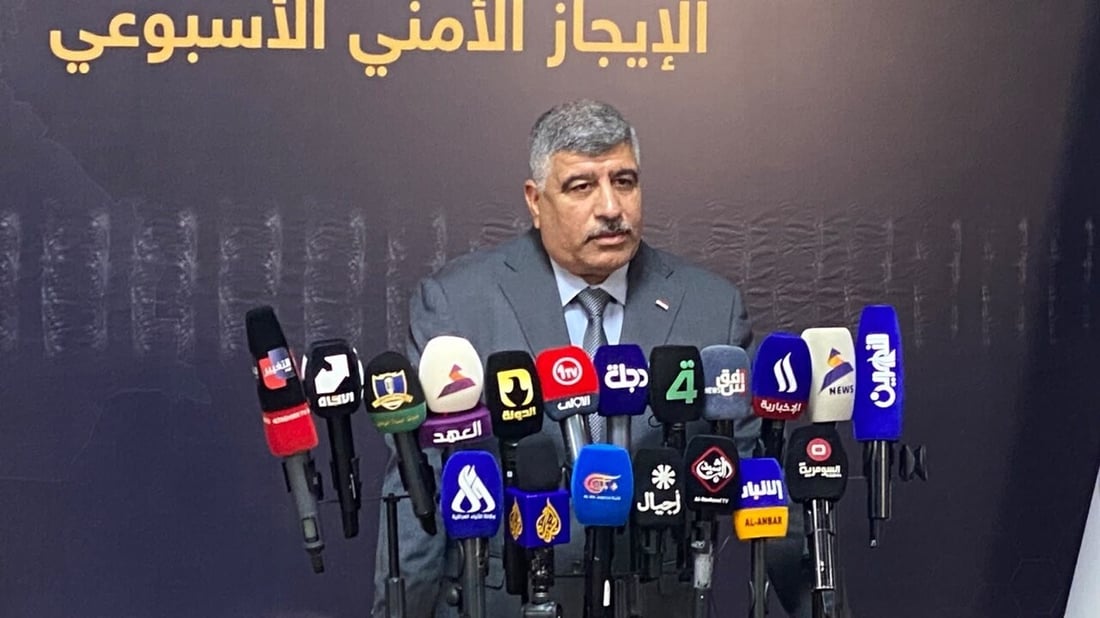
BAGHDAD — Iraq expects to receive air defence systems from South Korea, Turkey and the United States soon, the spokesperson for the commander-in-chief said, as the coalition withdrawal accelerates toward Sept. 30.
Sabah al-Numan said Iraq had made progress on air defence procurement, three weeks after coalition aircraft shot down 10 drones over Erbil governorate and days after the Kurdistan Region’s interior minister said oil companies were staying shut partly because their facilities have no anti-drone systems. He gave no delivery dates or details of what has been ordered.
The Sept. 30 deadline is fixed, Numan said, with Prime Minister Ali al-Zaidi following the withdrawal personally and his office providing permits and facilitation for departing forces. “Sept. 30 is the final date for the end of the international coalition’s mission and the withdrawal of American forces,” he said, calling it a milestone for Iraqi sovereignty. The coalition, formed in 2014, had played an important role against the Islamic State group and Iraqi forces were now ready to take over, he said.
Several armed factions have already handed over weapons “of all kinds,” Numan said, without naming them or giving quantities, and talks on the rest would move faster once the coalition leaves. “After Sept. 30, the dialogues in this field will accelerate,” he said, adding that the factions’ weapons had been used against the Islamic State group. Security adviser Qasim al-Araji said last month the date marks the start of a new phase of negotiations rather than a disarmament deadline.
Numan said talks are also continuing with Turkey over the status of Kurdistan Workers’ Party members in Iraq following the group’s disarmament, including arrangements for them to return to Turkey or leave Iraq. Kataib Sayyid al-Shuhada named the removal of the PKK from Iraqi territory among the 10 conditions it set last month for engaging with the weapons policy.
Iraq is preparing a post-coalition security relationship with the United States and other coalition states through bilateral arrangements covering weapons procurement, training, intelligence sharing and coordination. Zaidi ordered a committee to negotiate future military relations during his July visit to Washington. Coalition advisers completed their withdrawal from bases and command headquarters in federal areas in January, including Ain al-Asad, and government spokesperson Haider al-Aboudi said on Aug. 31 that the handover was proceeding on schedule. Officials said the following day that Zaidi had rejected a request for part of the coalition to remain.