
Najaf prepares to join Iraq’s oil map with production expected next year
NAJAF — Najaf Governor Youssef Kanawi announced the creation of a new department to connect local job seekers with oil companies operating in the governorate, as he revealed expectations that oil production from one field could begin next year at up to 3,000 barrels per day.
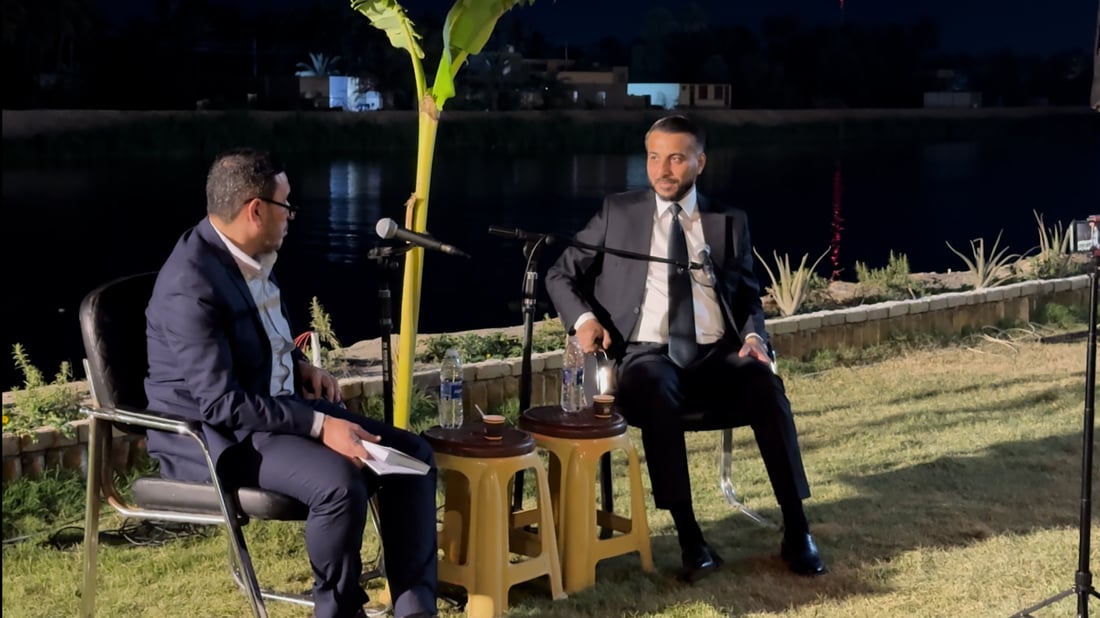
Speaking on the sidelines of a discussion session at the Political Awareness Club on Saturday, Kanawi told 964media that the new “Job Opportunity” department would serve as “the only official link between oil companies and the people of the governorate,” supplying engineers, technicians, laborers and translators based on company needs.
Kanawi said production from a field near the Saudi border is expected to begin next year, with plans to invest associated gas to support the electricity sector. “The Oil Exploration Company conducted the necessary tests, and the Chinese company has drilled two wells so far. Most likely, production will begin next year,” he said. Deeper drilling could also reveal gas deposits with “an important impact,” he added.
Joining the oil map carries political as well as economic significance for Najaf. “Just as Basra demands larger budgets and more services as an oil governorate, Najaf will enter this system, and that will be a historic achievement for the governorate,” Kanawi said, noting that oil revenues would give Najaf greater leverage in demanding rights from the central government. Additional revenues generated through the petrodollar law are expected to be directed toward infrastructure and service projects.
Najaf, one of Shiite Islam’s holiest cities and home to the shrine of Imam Ali, has traditionally relied on religious tourism and services as the backbone of its economy. Iraq’s Oil Ministry has expanded exploration in the governorate’s desert areas near the Saudi border in recent years, signing a seismic survey agreement with a Chinese company in 2025 for exploratory work in the Al-Qurnain block.
On a recent gas supply disruption, Kanawi said the issue “was not a crisis, but rather a large increase in demand,” adding that a new storage tank had been built and a strategic reserve capable of meeting peak demand would be in place within six months.