
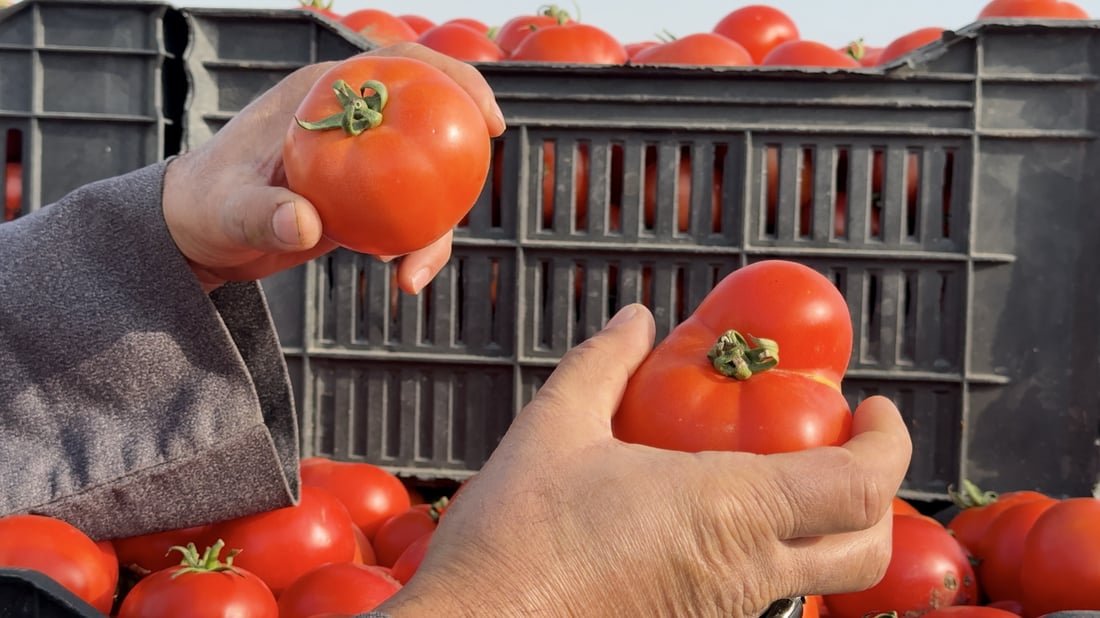
Iraq to pursue tomato ‘hoarders’ as prices stay high
BAGHDAD — Iraq’s Ministry of Agriculture said Friday it is calling for security measures against traders hoarding imported tomatoes and inflating prices, while forecasting a sharp decline as local harvests from Najaf and Karbala begin entering the market by the end of April.
Technical deputy minister Mahdi Sahar al-Jubouri said “there is hoarding by some importers in wholesale markets, where tomatoes are sold at exaggerated prices exceeding their actual import cost,” and called on the National Security Service and economic security authorities within the Interior Ministry “to pursue hoarders, especially in the coming days.”
He said the ministry opened tomato imports on March 25 to address a shortage of local production, but that scarcity in neighboring countries has kept imported prices elevated. Local production from Najaf and Karbala is expected to arrive by the end of April, followed by output from other governorates, which al-Jubouri said will create “a large supply” and potentially drive prices low enough to enable exports, as happened last year. Peak production runs from May through February, with only a roughly 30-day gap between the end of the autumn season and the start of protected agriculture output.
Al-Jubouri said the ministry intends to apply to tomatoes the same strategy it used for potatoes — expanding protected agriculture to reduce the seasonal production gap and ensure year-round supply at stable prices. “The ministry’s main principle is to rely on local production and prevent imports, which are only allowed in cases of temporary shortages,” he said.
Tomato prices surged to between 1,750 and 2,250 dinars ($1.14 to $1.46) per kilogram this month after Iran banned exports and border disruptions cut supply, more than triple the previous range of 400 to 500 dinars.