
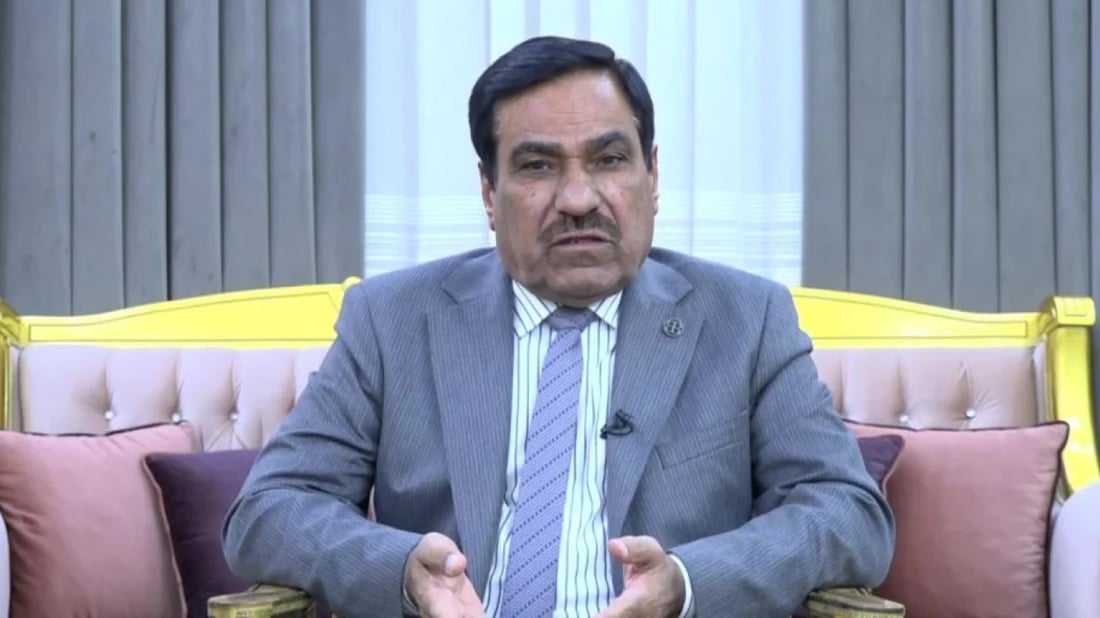
Economic expert Nabil al-Marsoumi
Warns of Hormuz closure
US oil expansion could push Iraq to 7 million barrels per day, analyst says
BAGHDAD — Expanding U.S. company involvement in Iraq’s oil fields could help the country reach a production target of 7 million barrels per day, but a closure of the Strait of Hormuz would slash monthly revenues from $7 billion to less than $1 billion, Iraqi economic expert Nabil al-Marsoumi warned Thursday.
Speaking on AlSharqiya TV, al-Marsoumi said Chevron’s preliminary agreement on West Qurna 2 — which currently produces about 840,000 barrels per day — could raise output to 1.8 million barrels per day, contributing to Iraq’s nationwide production target.
But he cautioned that negotiations would be difficult. “Basra Oil Company was receiving $1.25 per barrel of crude produced, and this offer does not appeal to Chevron,” he said, adding that the company would seek a share of production rather than a flat fee.
Al-Marsoumi said China maintains a strong presence in Iraq’s oil sector, operating more than 19 fields and playing a role in drilling and logistics. He said Chinese and Russian firms are generally easier for Baghdad to work with than U.S. companies, citing contract mechanisms and procurement processes, adding that Chinese companies “even attend tribal settlement gatherings” and accept contract terms offered by Iraq.
On regional risks, al-Marsoumi said 3.3 million barrels per day of Iraqi exports pass through the Gulf via the Strait of Hormuz, compared with 200,000 barrels per day through Turkey’s Ceyhan pipeline and 10,000 barrels per day by truck to Jordan. If conflict between Iran and the United States or Israel prompted a strait closure, revenues would collapse despite limited alternatives such as overseas storage.
A production halt would also compound Iraq’s chronic electricity shortages. “When oil production declines, associated gas declines, and this will create a new electricity problem,” al-Marsoumi said, adding that salary payments would also be affected depending on the duration of any closure.
The Chevron deal follows the exit of Russia’s Lukoil from West Qurna 2 after Washington imposed sanctions on Lukoil and Rosneft in November as part of President Donald Trump’s push to increase pressure on Russia over the war in Ukraine.