
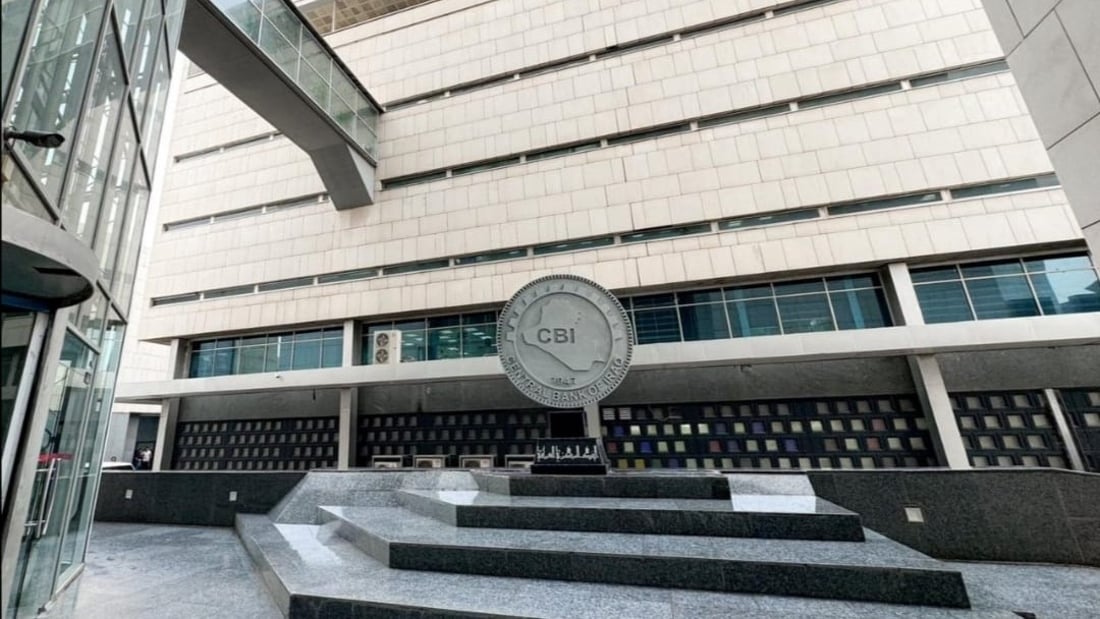
The Central Bank of Iraq Building
Dinar loses ground as political, regional tensions mount
ERBIL — The U.S. dollar increased across exchange markets in Iraq and Kurdistan Region on Monday, reaching over 150,000 Iraqi dinars per $100 for the first time in months, with traders attributing the increase to public fears over “possible” U.S. economic measures against Iraq.
Ghazi Saeed, a member of the Erbil dollar traders’ council, told 964media the rise is linked to public anxiety of possible American economic measures against Iraq.
“This increase is temporary and tied to fear and public sentiment,” Saeed said.
Kaifi Khoshnaw, the council spokesperson, told 964media the dollar is expected to climb further. He warned that if sanctions are imposed on Iraq, “the dollar will rise even more.”
He added that regional tensions between Iran and the U.S., along with fears of broader conflict, are also affecting the exchange rate.
U.S. Secretary of State Marco Rubio told Iraqi Prime Minister Mohammed Shia al-Sudani that a “government controlled by Iran” would not be able to put Iraq’s interests first, as the two leaders discussed government formation and security cooperation in a phone call Saturday.
Iraq’s parliament is scheduled to elect a president on Tuesday. The president will then task the largest bloc’s nominee with forming a cabinet. Political talks have intensified, with the Shiite Coordination Framework nominating Nouri al-Maliki for prime minister.
The official exchange rate set by the Central Bank of Iraq is 132,000 Iraqi dinars per $100, which is lower than the parallel market rate.