
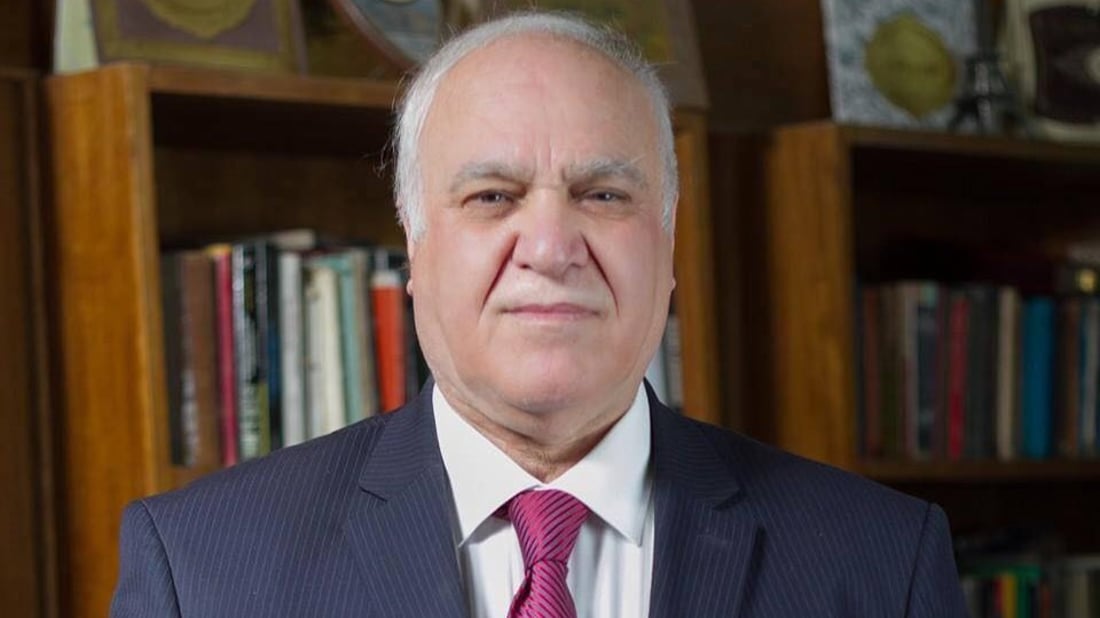
Mazhar Mohammed Salih, the Iraqi prime minister's financial advisor.
Mazhar Mohammed Salih
Sudani adviser says Iraq not facing near-term liquidity crunch
BAGHDAD — Prime Minister Mohammed Shia al-Sudani’s financial adviser, Mazhar Mohammed Salih, said Wednesday the government is not facing a short-term liquidity crisis and is continuing work on the 2026 federal budget within a medium-term financial framework.
“It is not expected that the government will face a sharp liquidity crisis in the short term, as long as oil revenues remain at current levels and coordination between fiscal and monetary policies continues,” Salih told the Iraqi News Agency.
He said governments often respond to pressure from shifting revenues or rising obligations by cutting spending, particularly in rentier economies dependent on a single resource.
“Governments usually resort to spending cuts when facing pressures from revenue fluctuations or rising current obligations, especially in rentier economies that rely on a single resource such as oil,” he said.
Salih said recent moves to reduce spending come as oil prices fluctuate and spending requirements increase, conditions that he said require tighter liquidity management.
He said authorities have made progress preparing the 2026 budget, which he said is expected to focus on balancing financial sustainability with development needs. He said early indicators suggest investment and service projects, especially those tied to infrastructure, energy and essential services, will remain priorities, alongside efforts to improve the efficiency of operational spending.
“The real challenge is not the size of spending itself,” Salih said, “but its quality and efficiency, and the ability of public finance to gradually shift from crisis management to sustainable development planning.”
Iraq in 2023 approved its first three-year federal budget covering 2023 to 2025, based on an assumed oil price of $70 per barrel and a target of 3.5 million barrels in daily exports.