
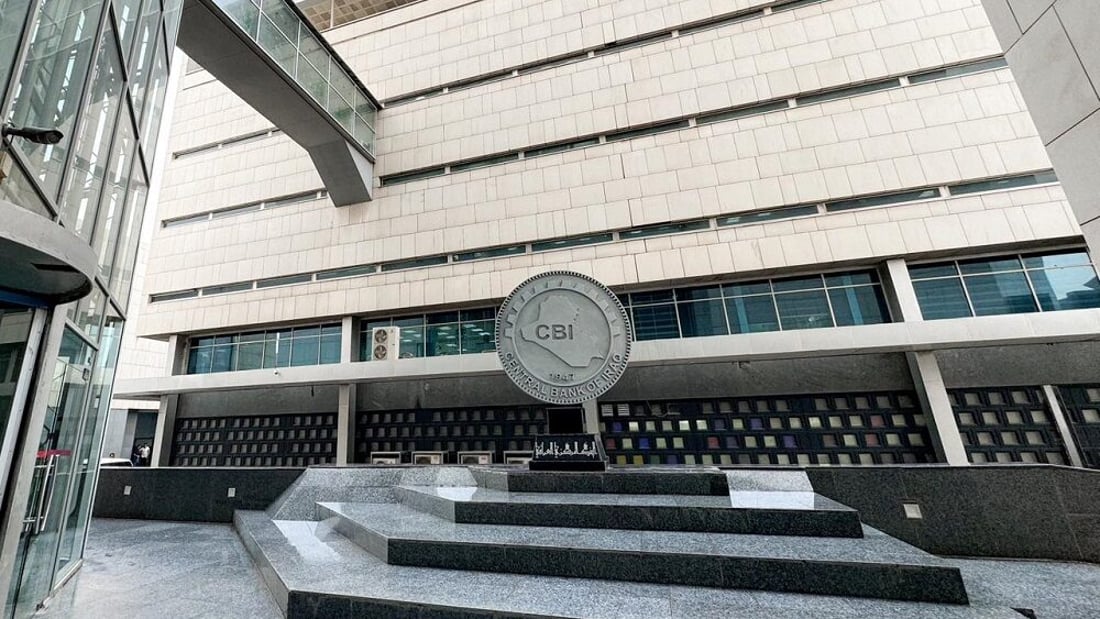
The Central Bank of Iraq (CBI) headquarters in Baghdad
Social media
Central bank orders banks to treat influencers as ‘high-risk clients’ under new rules
BAGHDAD — The Central Bank of Iraq on Wednesday ordered all licensed banks and electronic payment companies to classify social media influencers as high-risk customers and apply strict financial controls, citing concerns about money laundering, terrorism financing and unexplained income linked to online advertising and sponsorship activity.
In a circular, the bank said the rapid expansion of commercial content on social platforms, along with varied and often informal revenue streams, has created vulnerabilities in the financial system. It said unverified inflows from paid posts, sponsorships, brand deals, livestream gifts and other promotional work have increased the risk of irregular transactions entering the banking sector.
Under the directive — issued in line with Iraq’s commitments to the Financial Action Task Force — banks must carry out enhanced due diligence when opening or reviewing accounts belonging to influencers. The measures include verifying income sources, confirming the authenticity of marketing contracts, matching declared earnings to account activity, and collecting supporting financial documents. Institutions must also link customers’ accounts to their verified social media profiles and request updated follower counts to confirm ownership.
Banks are required to monitor sudden changes in financial behavior and to block any transactions that appear unjustified. The circular lists red flags such as multiple income streams from unrelated parties, cash-heavy dealings, refusal to provide documentation, large purchases inconsistent with declared income, or repeated incoming transfers of unknown origin. It also warns against fundraising through online platforms without a license, sending consolidated transfers abroad, or using unregistered intermediaries.
The central bank said indicators of concealment include opening several accounts under different names, using relatives’ accounts, repeatedly changing beneficiary names, or routing money through intermediaries before redistributing it.
All financial institutions were directed to adopt the full controls and report compliance to the central bank.
The move comes as Iraq increases oversight of digital activity. In March 2025, the Communications and Media Commission introduced annual registration requirements for influencers and content creators, including fees tied to follower counts and rules governing online advertising, national sovereignty and public decency. The tightening followed a string of arrests in 2024 under Article 403 of the Penal Code targeting influencers accused of posting content authorities said violated “public morals”.