'Balancing'
Baghdad panel defends Arabic calligraphy traditions, calling letter form a ‘red line’
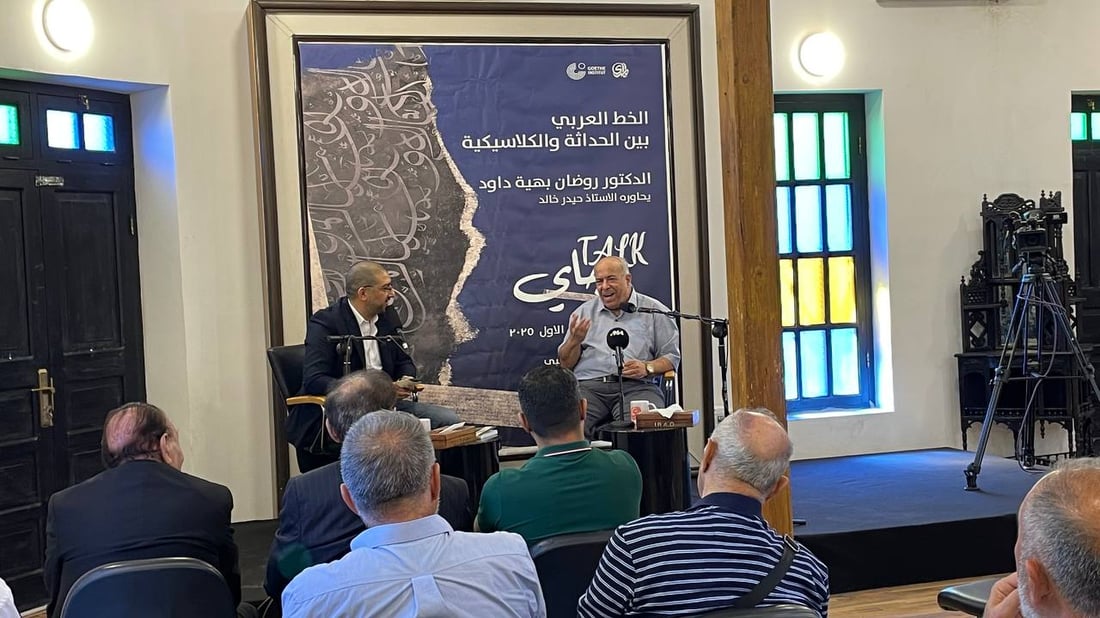
BAGHDAD — Speakers at a cultural panel in Baghdad urged preservation of Arabic calligraphy’s classical integrity, rejecting any attempt to alter the shape or structure of letters and calling the script a “red line.”
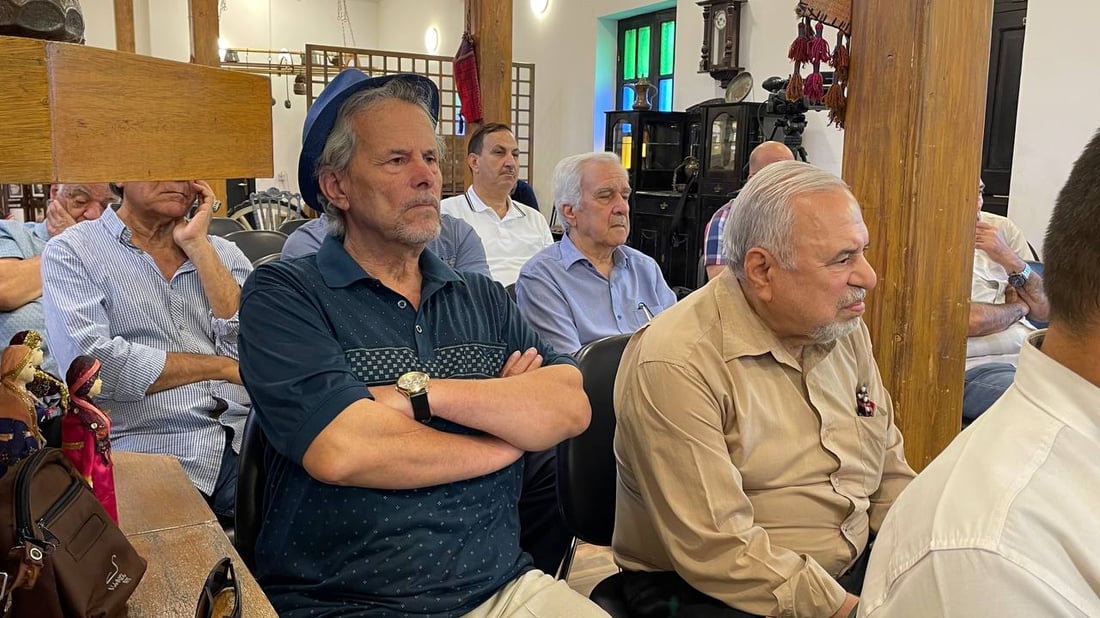
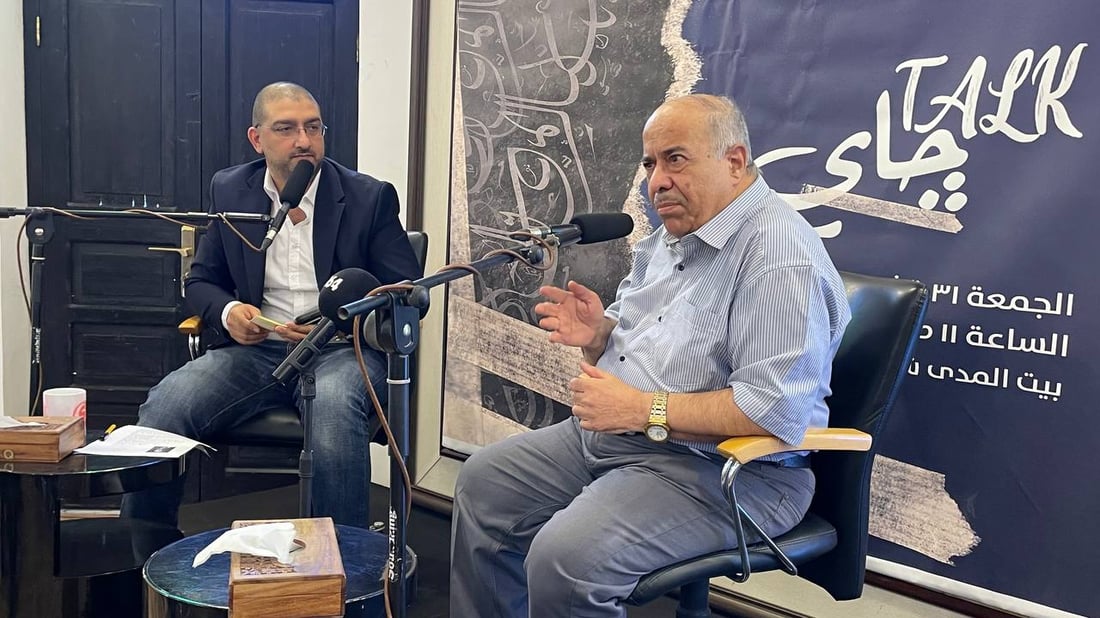
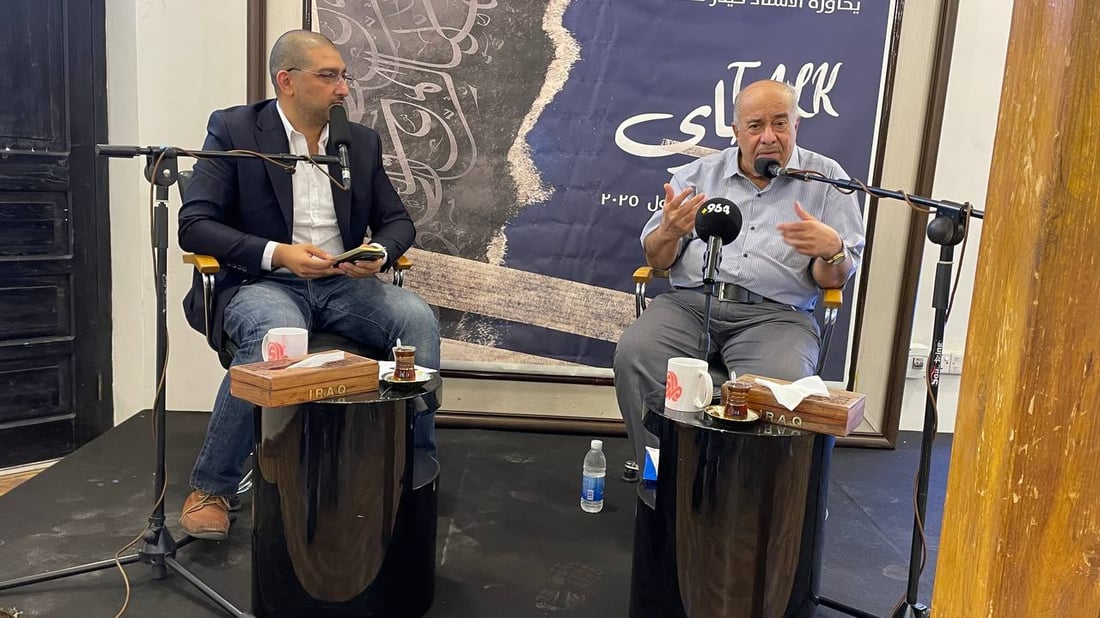
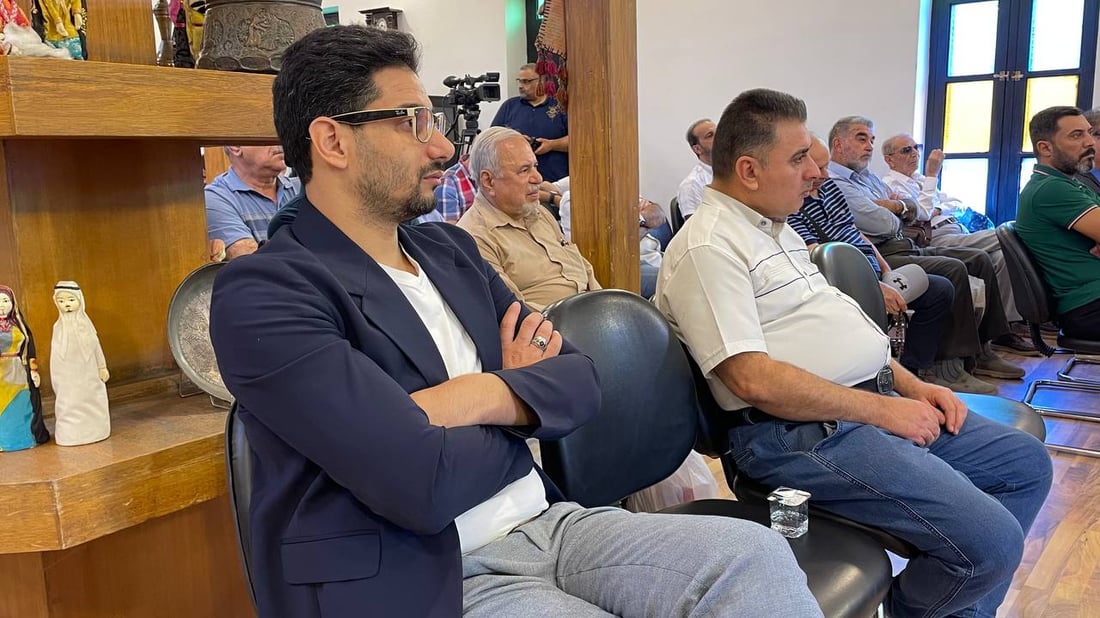
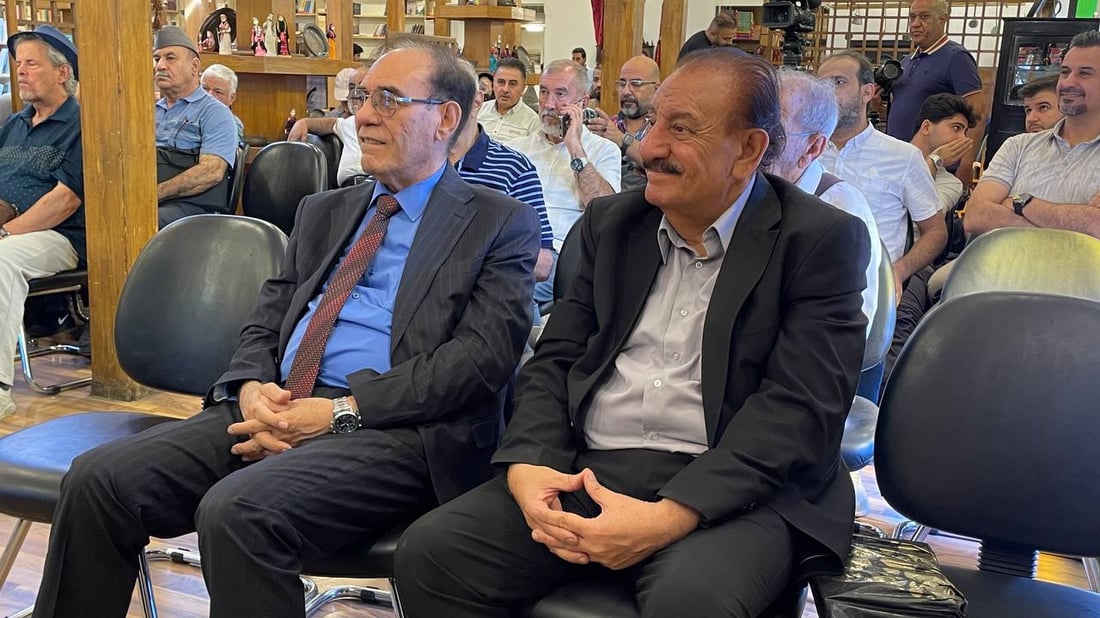
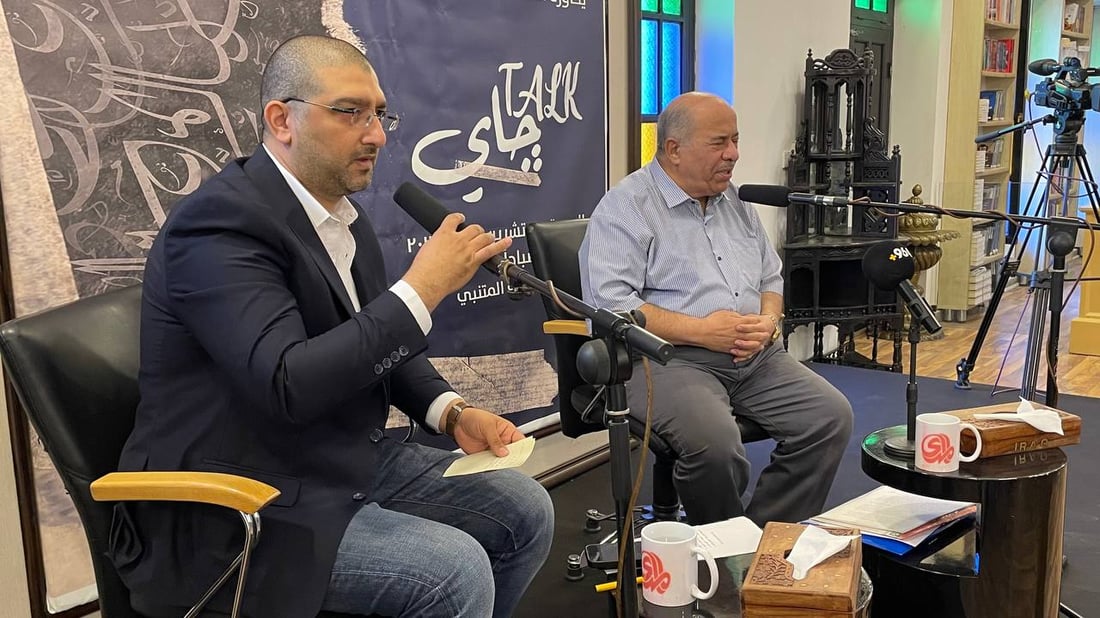
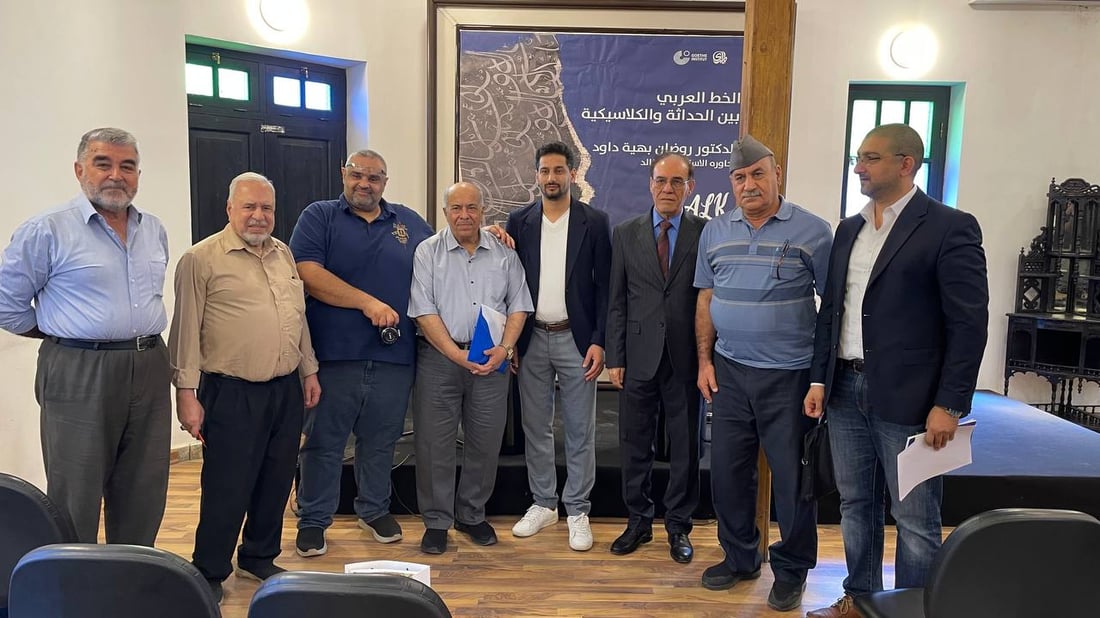
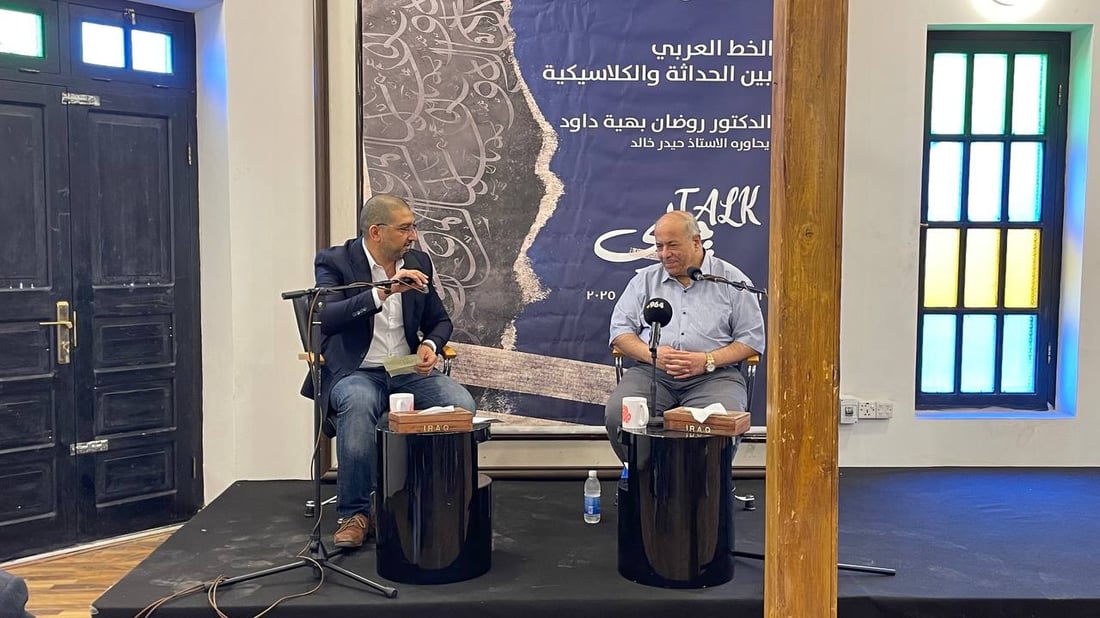
The discussion, titled “Arabic Calligraphy Between Modernity and Classicism,” was organized by the Al-Mada Foundation for Culture and Arts in cooperation with the Goethe Institute on Al-Mutanabbi Street.
Moderated by Haider Khalid, the session featured Dr. Rawdan Bahiyah Dawood, a professor of calligraphy and design at the University of Baghdad’s College of Fine Arts. He said innovation in calligraphy should focus on layout and visual design rather than altering the letters themselves. “I am against locking ourselves into classical directions,” Dawood said. “At the same time, we cannot consider modernity as a substitute for these values and directions that come with a very great and proud heritage.”
He stressed that creativity must not distort the essence of Arabic writing. “You must not change or deform the letter,” he said. “But the field is wide open in formations and calligraphic compositions. That’s where the skill of the calligrapher shows — balancing traditional values with creativity.”
The event comes amid growing interest among younger artists in abstract and contemporary forms that critics say stray from classical calligraphy’s discipline. Dawood cited modern approaches such as letter abstraction and one-dimensional calligraphy as examples that diverge from the art’s traditional rules.
“The relationship today between classicism and modernity in Arabic calligraphy requires careful integration that doesn’t compromise the art’s fundamental values,” he said.
Dawood noted that Arabic calligraphy remains a living art in Iraq, pointing to ongoing projects in Quranic calligraphy as proof of its vitality. “We are confident that Arabic calligraphy has not — and will not — exhaust its aesthetic purpose,” he said.
Islamic calligraphy, particularly Quranic writing, has long been revered across the Arab world as both an artistic and spiritual expression. Scripts such as Kufic, Naskh, and Thuluth have evolved over centuries, each holding deep cultural and aesthetic significance.