
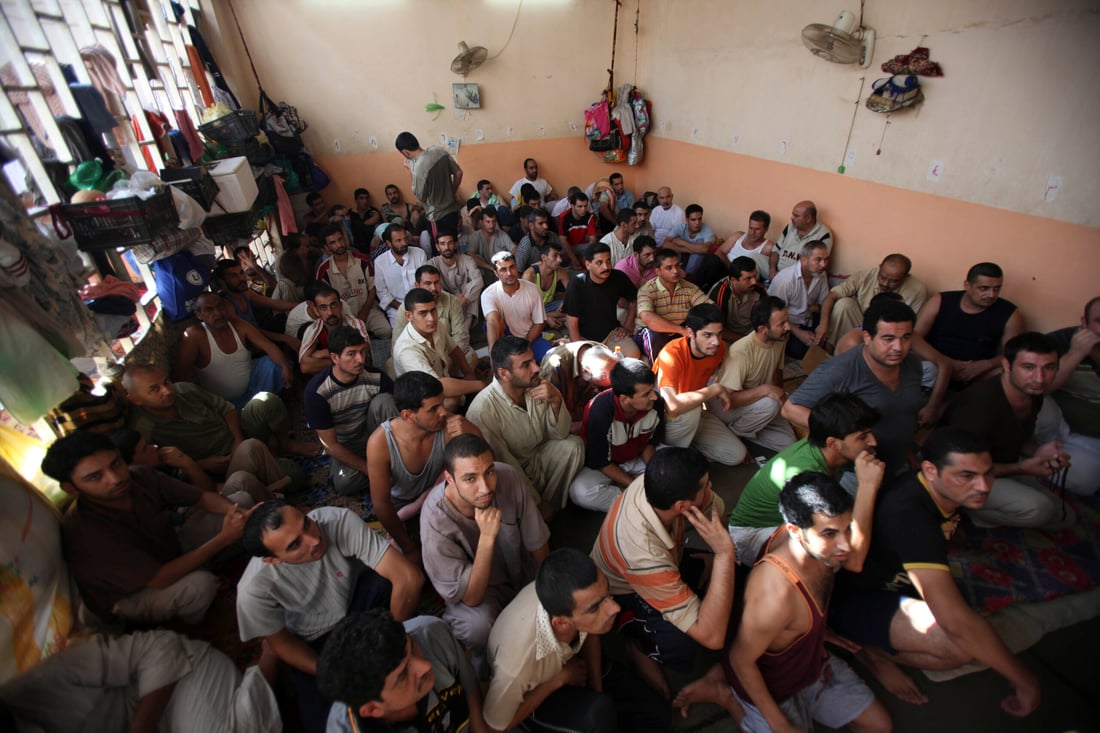
Iraq’s Ministry of Justice Plans to Reduce Prison Overcrowding from 300% to 200%
'From 300% to 200%'
Iraq’s Ministry of Justice seeks to ‘reduce’ severe prison overcrowding by year’s end
BAGHDAD — Iraq’s Ministry of Justice has announced plans to reduce extreme prison overcrowding, aiming to lower occupancy rates from an alarming 300% to 200% by the end of this year.
Murad Al-Saadi, Director of the Ministry’s Media Office, told Al-Sabah that overcrowding remains one of the ministry’s most severe challenges. “We have mobilised all necessary resources and developed plans to alleviate the overcrowding in our prisons, with the goal of reducing the capacity from 300% to 200%,” Al-Saadi said.
As part of the plan, the ministry is set to open the Najaf Transfer Prison, which will house inmates convicted of criminal and drug-related offenses, as well as those from nearby governorates like Karbala. “This will also allow families from central governorates easier access to visit their incarcerated relatives,” Al-Saadi added.
Although the new prison will help alleviate pressure, the overall situation remains dire, with the Iraqi prison system continuing to operate far beyond its capacity. The Amara Central Prison, also nearing completion, is expected to provide some additional relief, but systemic issues persist.
Reports from the Iraqi Parliament’s Human Rights Committee detail the severity of overcrowding, which affects nearly 70,000 inmates in fewer than 30 facilities. These conditions have led to outbreaks of diseases such as tuberculosis and hepatitis, rampant drug trafficking, and medical neglect. The lack of hygiene and poor ventilation has made many prisons breeding grounds for disease.
The overcrowding crisis is compounded by a slow-moving judicial system and a surge in detentions. A pending bill in Parliament aims to amend the general pardon law, which could provide some relief by allowing for the release of a large number of inmates. However, no date has been set for its passage.