Sulaymaniyah's Sharazur plains
Sesame harvest begins in Mwan village despite irrigation challenges
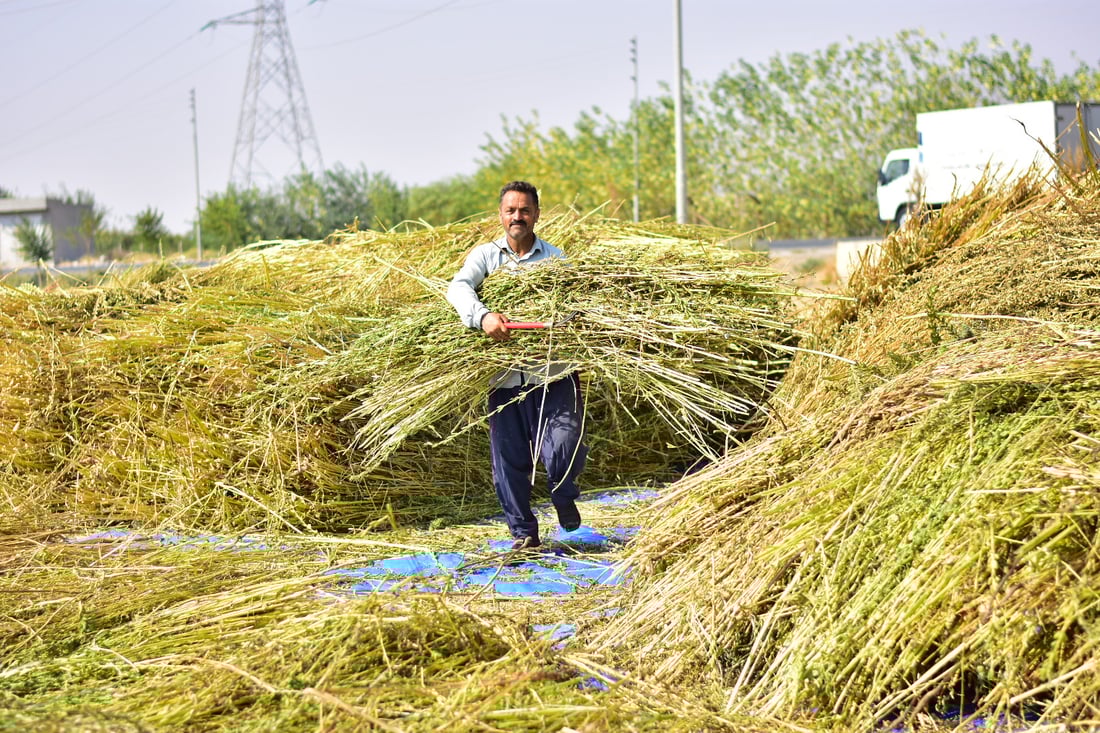
SULAYMANIYAH – Farmers in Mwan village, located in the Sharazur plains of Sulaymaniyah province, have started harvesting sesame, with many expressing satisfaction with the crop despite difficult irrigation conditions. Sharazur’s agriculture reports that a large portion of the farmland has been dedicated to sesame cultivation this season, though the specific amount has not yet been disclosed.
Hama Khan Ahmad, a farmer from Mwan, told 964media: “After harvesting wheat in June and early July, we plant sesame. Depending on the soil type, sesame requires watering once every 7 to 12 days.” This year, Ahmad said, the crop was watered eight times. “Thanks to God, we had a good yield. The type of sesame we planted is considered good in the market.”
Sesame is primarily used to produce local tahini, a popular Middle Eastern condiment made from ground sesame seeds. Demand for tahini remains strong in the local market, but the price of sesame in Sharazur markets has dropped compared to last year. In 2023, a kilogram of sesame sold for 3,500 IQD ($2.3), while this year it is sold at 2,250 IQD ($1.5).
In addition to sesame, Mwan village also produces wheat, barley, mung beans, and okra. However, due to ongoing water shortages, rice cultivation has not been possible for several years.
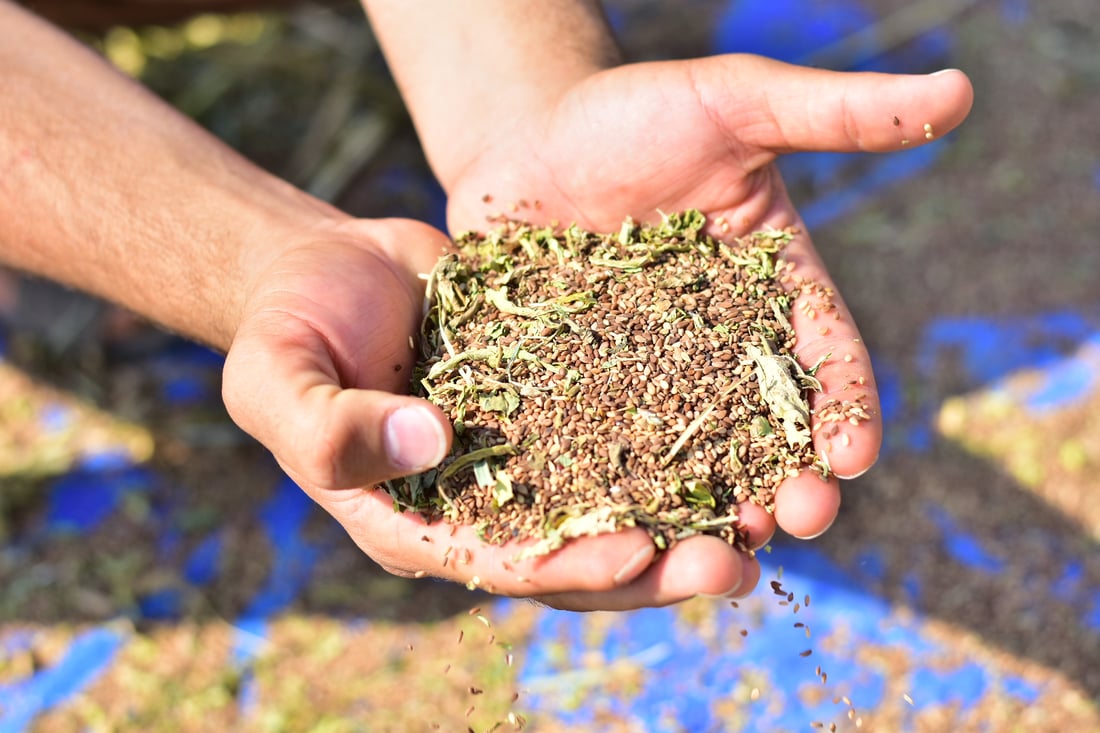
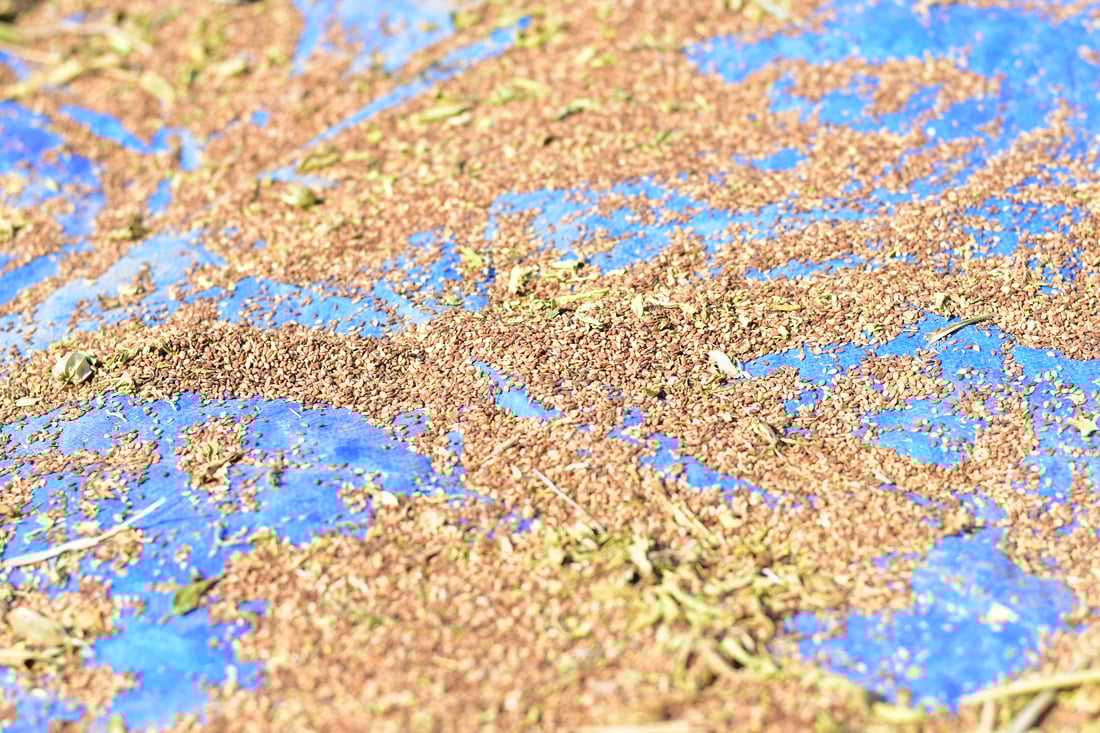
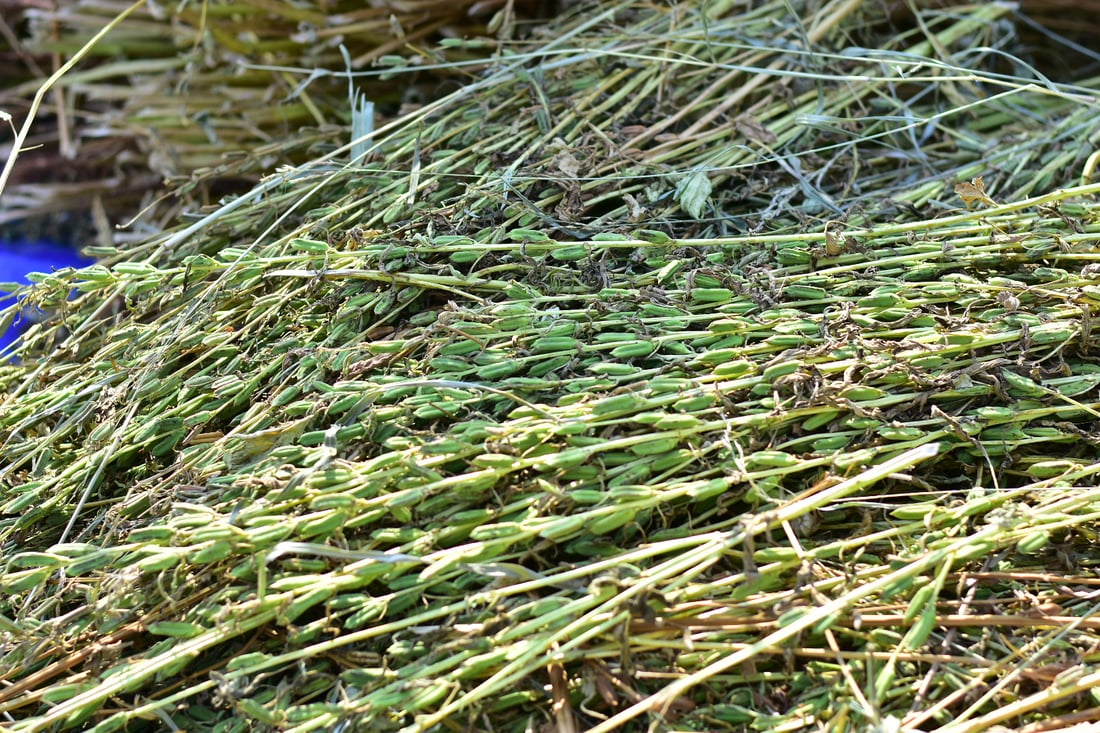
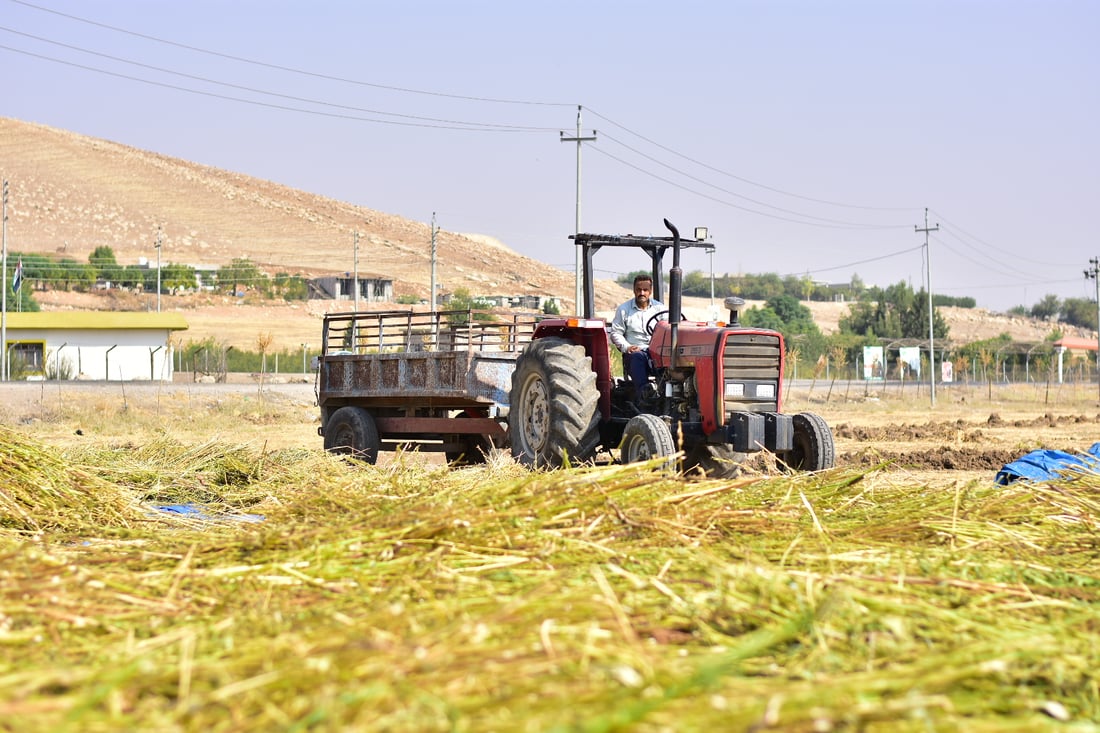
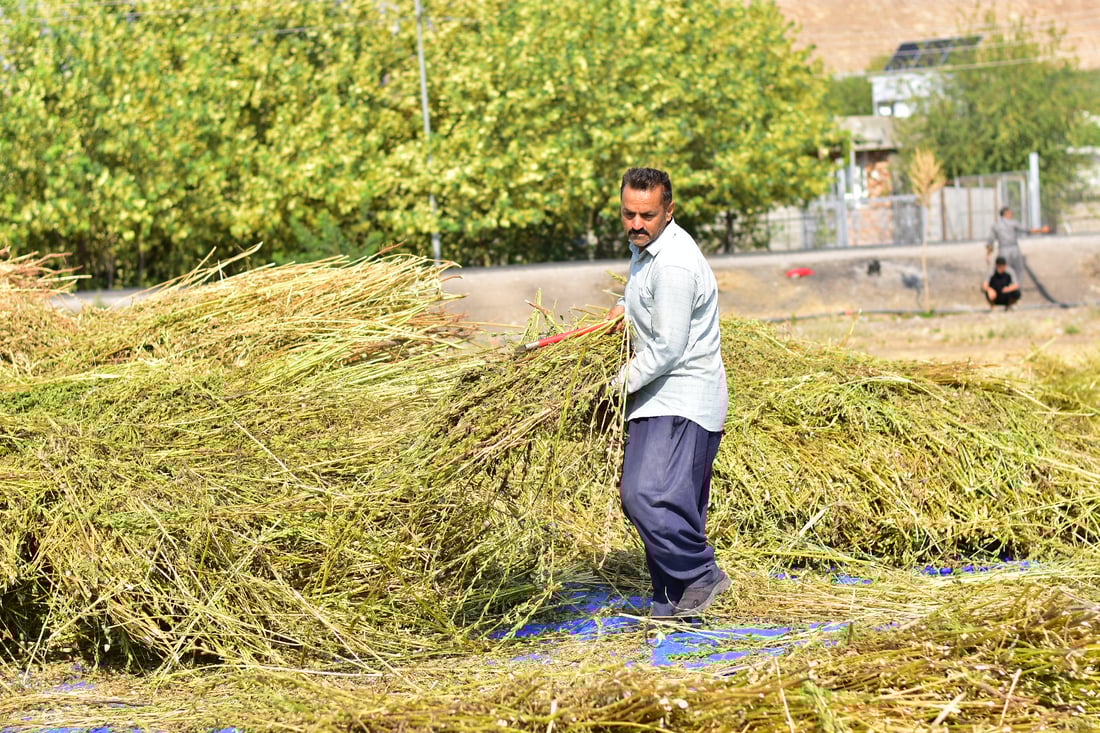
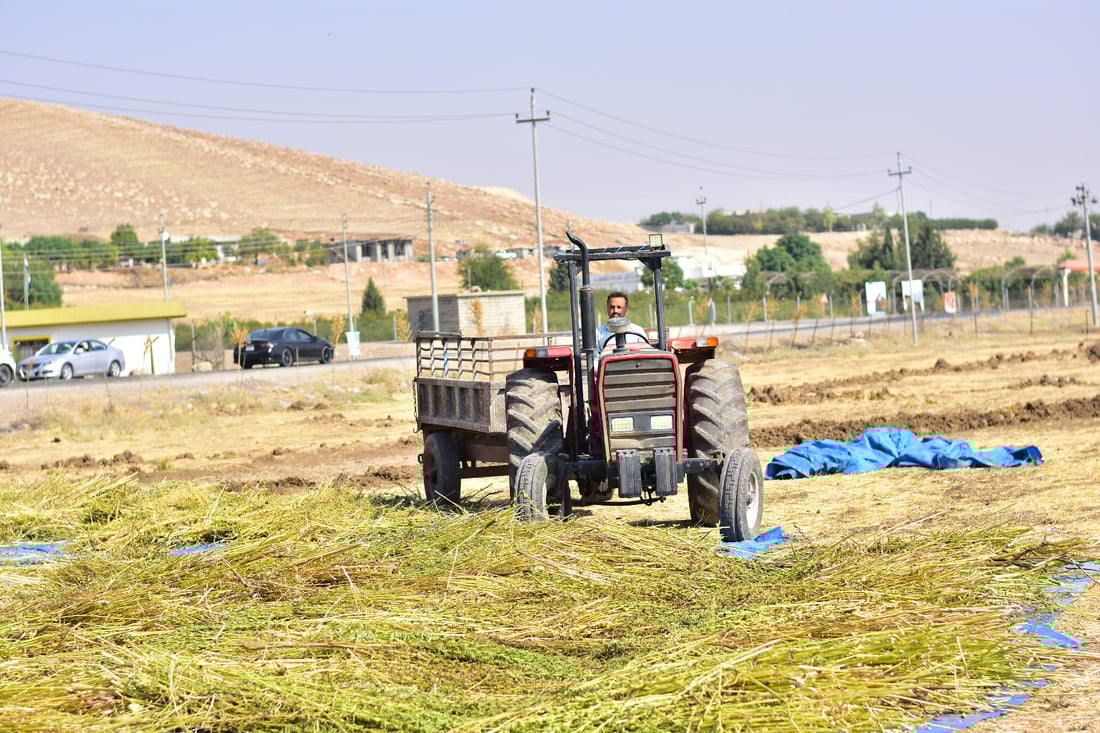
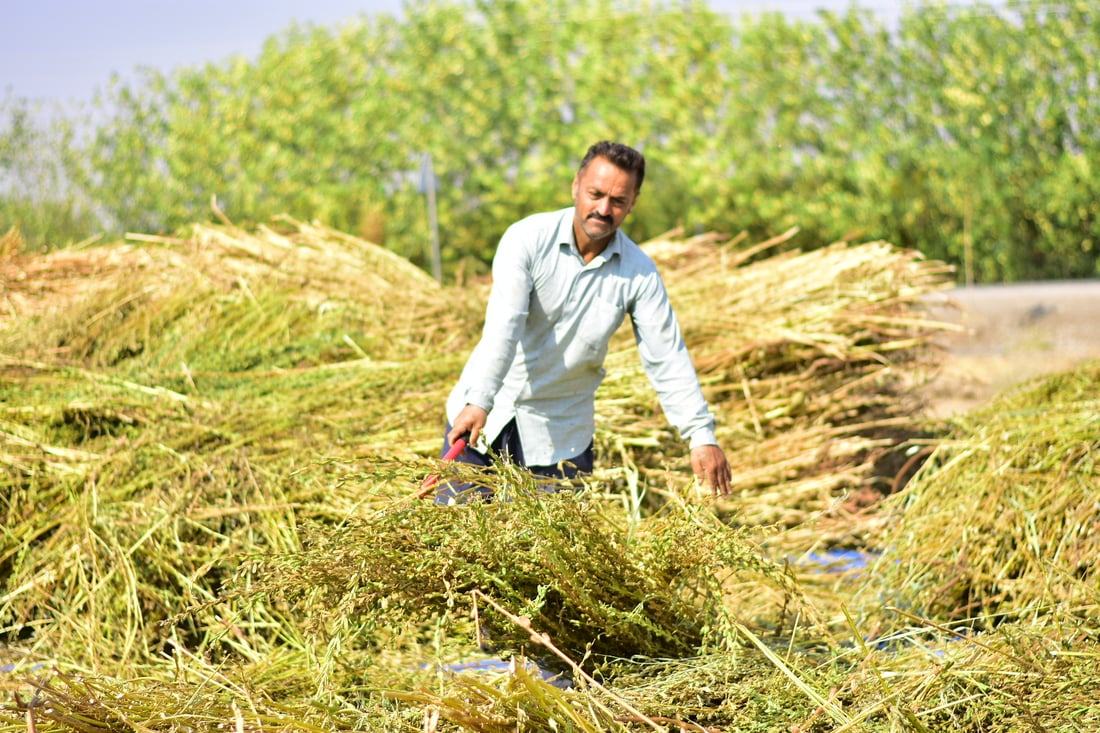
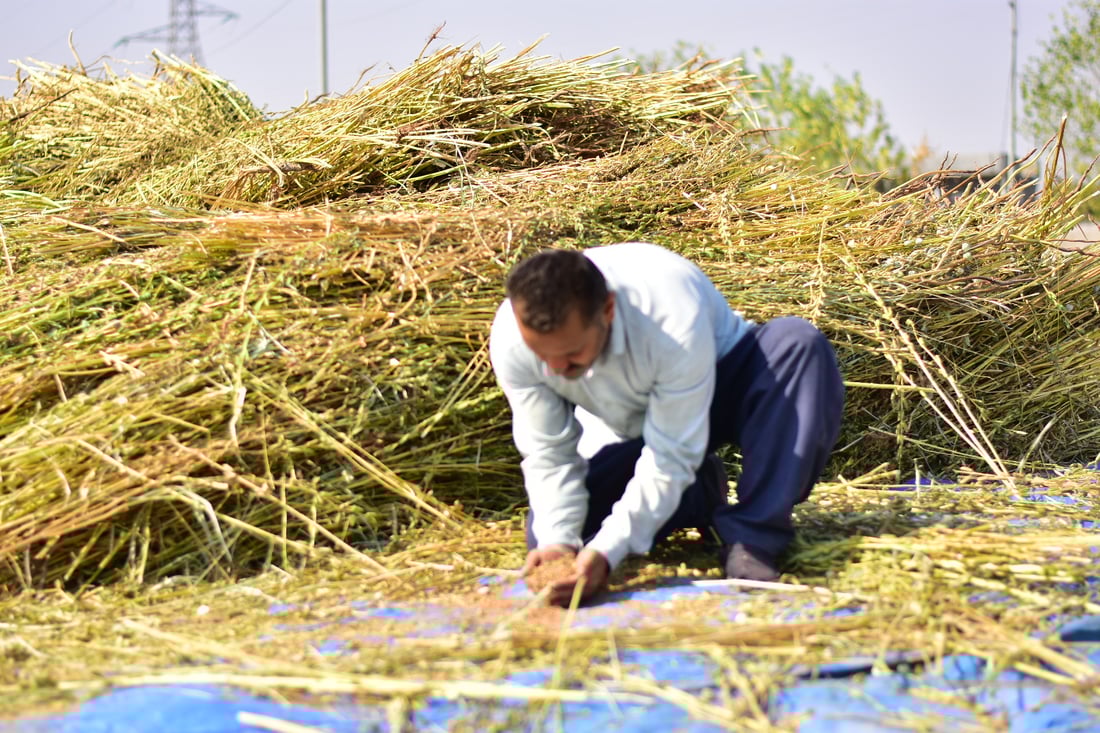
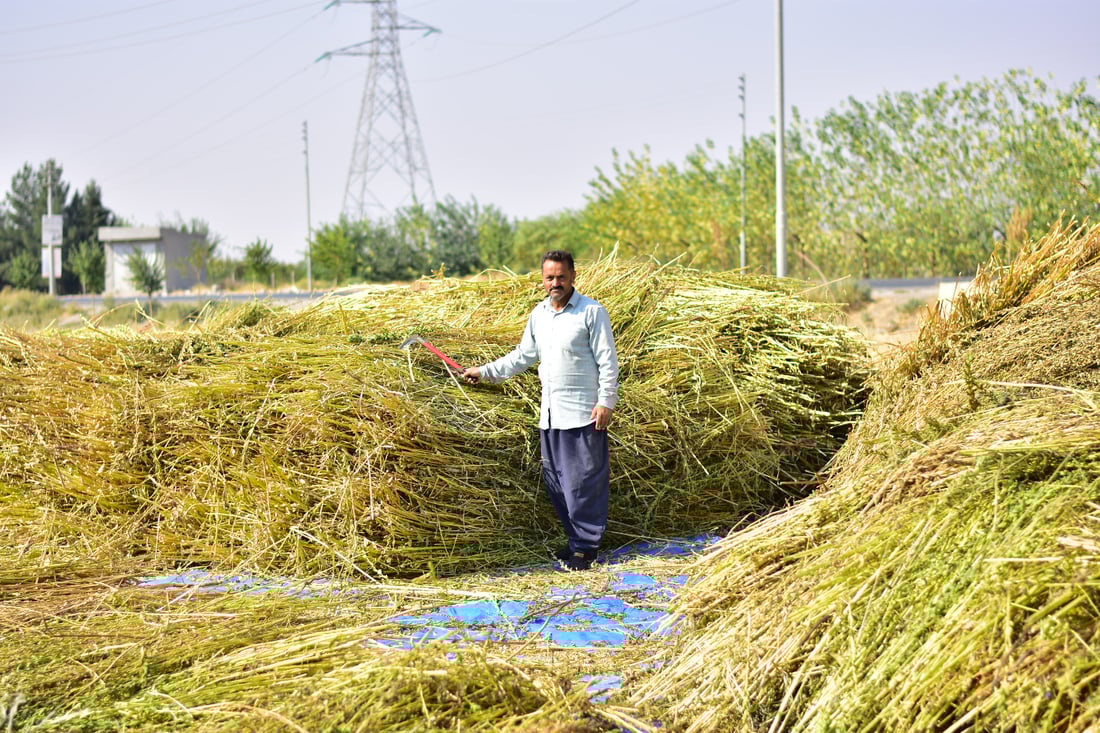
Ahmad further described the harvesting process, saying the plants are harvested in the field and gathered using tractors before being laid on sheets to dry for three days. “Some of the flower pods are shaken loose, and the sesame falls onto the nylon sheets. We separate the seeds by hand-shaking or using machines,” Ahmad explained. Once harvested, the sesame is cleaned and sorted to remove impurities before being used.
Meanwhile, Duhok is expected to produce around 600 tons of sesame this year, an increase attributed to expanded planting, according to Ahmad Jamil, Director General of Agriculture in Duhok. He noted that the rise in sesame cultivation should lead to a larger overall harvest this season.