
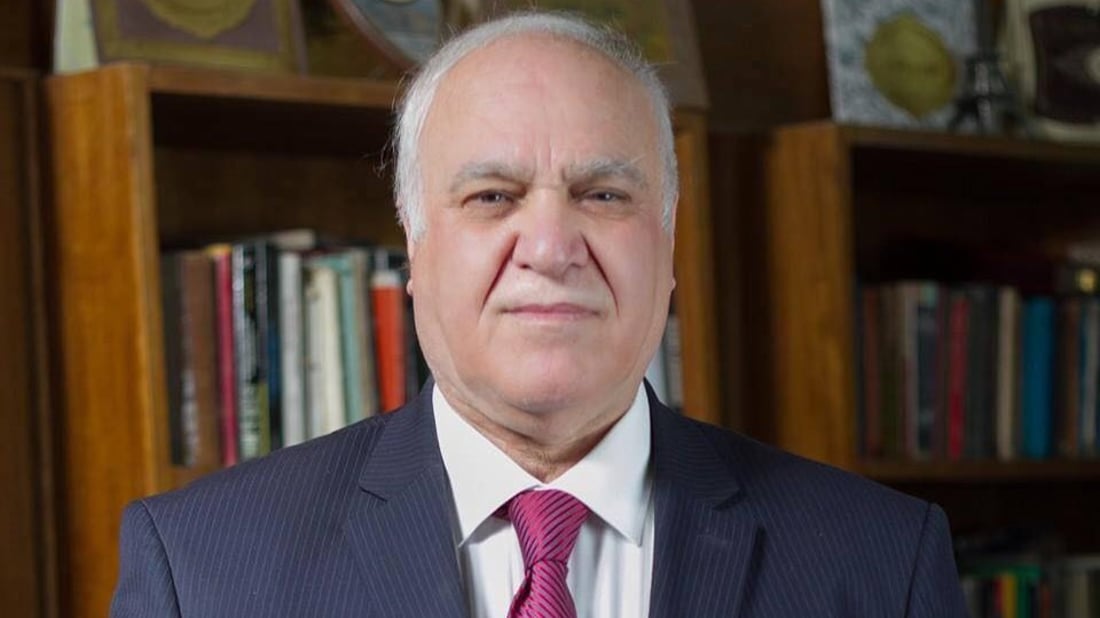
Mazhar Mohammed Salih, the Iraqi prime minister's financial advisor
Iraq’s geography an asset in energy crisis, says adviser to PM
BAGHDAD — Iraq’s geographic position strengthens its role in the global energy system and its ability to weather the current crisis through export diversification, Prime Minister’s financial adviser Mazhar Mohammed Salih said, framing Baghdad’s response to the Strait of Hormuz disruption in terms of an “economics of peace” approach.
Salih told the Iraqi News Agency that Iraq’s production capacity and location make it an active contributor to global energy supplies, and that diversifying export routes supports “economic stability” and “gradual fiscal rebalancing” amid the regional conflict. He said Iraq is pursuing a foreign policy based on “negotiation and peaceful conflict resolution,” with diplomacy playing a role in maintaining regional and international relations.
The remarks carry an optimistic tone that contrasts with assessments from independent economists. Prominent economist Mahmoud Dagher warned this week that Iraq is the country most exposed to the Hormuz closure, lacking the sovereign wealth funds Gulf states can draw on, and that the revenue shortfall could reach 70 percent — directly threatening the monthly salary bill of 8 trillion dinars.
Oil accounts for roughly 90 percent of Iraq’s government revenue. Since U.S. and Israeli strikes on Iran began Feb. 28, Tehran has effectively halted most commercial traffic through the strait, pushing oil prices above $100 per barrel. Iraq resumed Kirkuk crude exports through the Kurdistan Region pipeline to Turkey’s Ceyhan port earlier this month at 250,000 barrels per day, one of several alternative routes Baghdad is pursuing alongside planned truck exports through Syria and Jordan.