
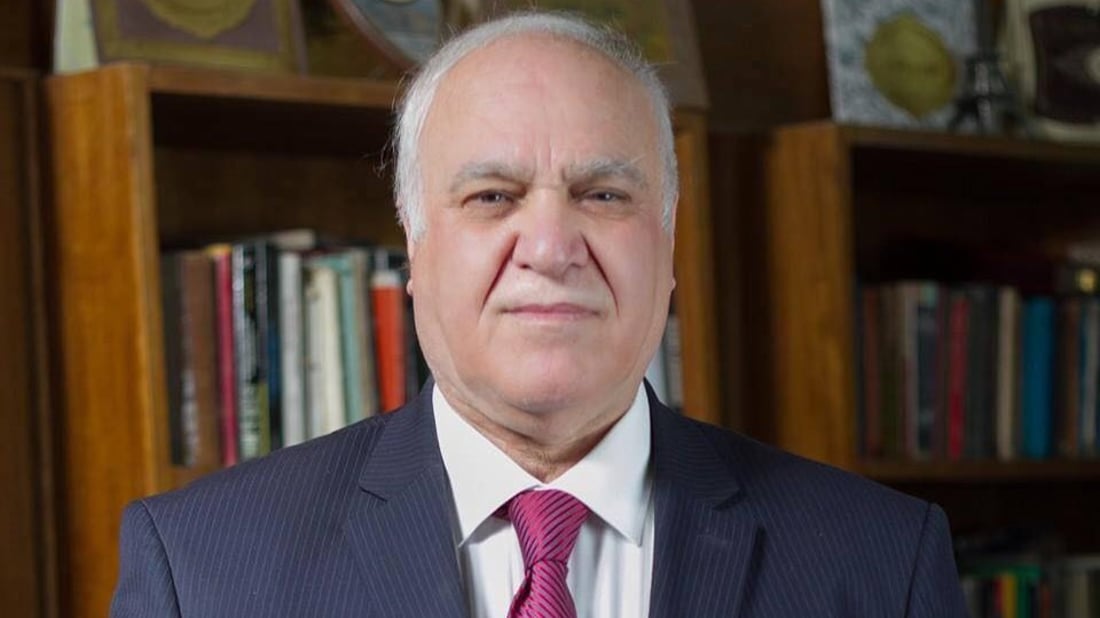
Mazhar Mohammed Salih, the Iraqi prime minister's financial advisor
Borrowing mooted
Iraq’s finances face two-month buffer before Hormuz disruption hits, adviser says
BAGHDAD — Iraq has roughly two months before any disruption to oil exports through the Strait of Hormuz begins affecting state finances, the prime minister’s financial adviser said Saturday.
Mazhar Mohammed Salih told the Iraqi News Agency the delay reflects how oil trade works: shipments leave first and are priced later, meaning the financial impact of any export halt would not materialize until the fifth or sixth month after disruption begins. He estimated the war could last a maximum of four months.
Oil accounts for roughly 90 percent of Iraq’s government revenue, making the strait’s status one of the most closely watched variables of the conflict for Baghdad.
Since U.S. and Israeli strikes on Iran began Feb. 28, Tehran has issued warnings to shipping and launched attacks in the region, effectively halting most commercial traffic through the passage and pushing oil prices above $100 per barrel.
If the disruption continues into that window, Salih said the government would likely resort to borrowing to cover salaries and meet financial obligations. He warned Iraq could enter a period of austerity affecting wages, pensions and social welfare payments, with the government relying on internal borrowing backed by cash reserves.
The stakes were underscored Thursday when two oil tankers were attacked in Iraqi territorial waters near Faw, killing at least one crew member and leaving others missing. Rescue operations were ongoing, port authorities said.
Iraq’s Oil Ministry expressed “deep concern” over the incidents, saying energy supply routes “must remain free from regional conflicts.” The State Organization for Marketing of Oil warned the attacks threatened maritime navigation and oil operations in Iraqi territorial waters.