
(Photo: Al-Sudani's media office)
Al-Sudani urges crackdown on power losses, boost in residential supply
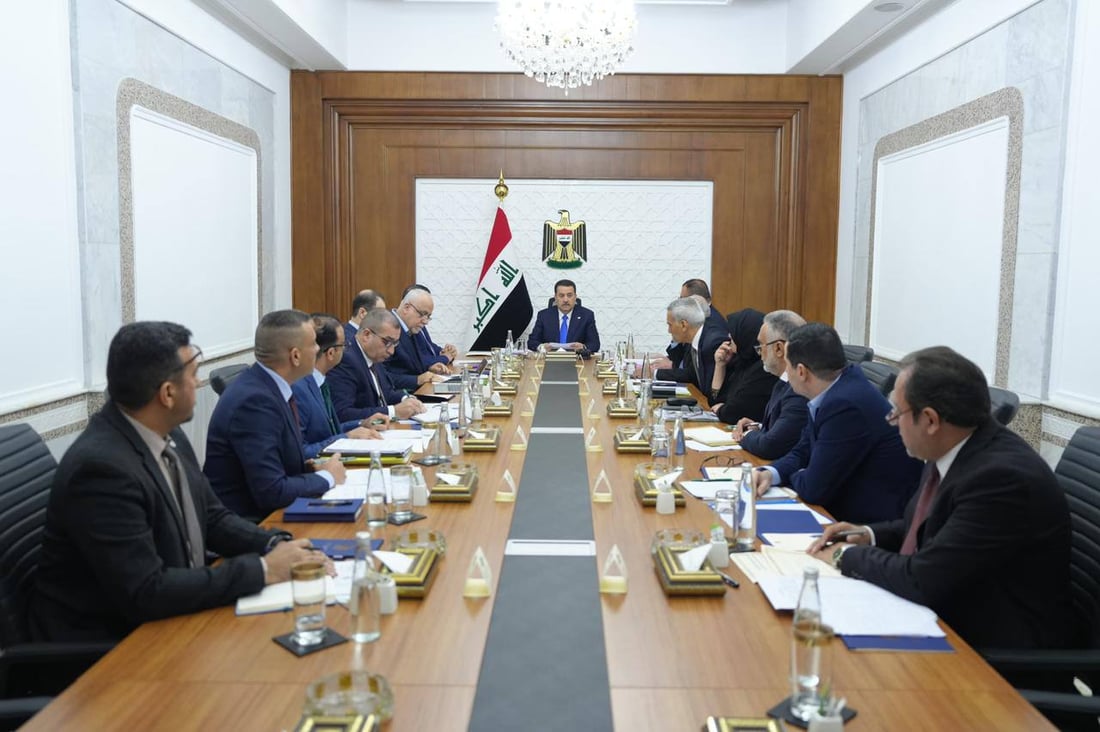
BAGHDAD — Prime Minister Mohammed Shia Al-Sudani chaired a meeting Tuesday to assess progress in electricity distribution and revenue collection, urging stronger procedures to curb losses and improve power supply to residential areas.
The meeting included senior officials and advisers from relevant departments and focused on measures aimed at enhancing the performance of the electricity sector.
Iraq continues to face chronic electricity shortages, particularly during summer months when temperatures often exceed 50 degrees Celsius (122 Fahrenheit). In August, Electricity Minister Ziyad Ali Fadel said Iraq reached a record production level of 28,000 megawatts through maintenance work, station upgrades and reliance on imported fuel.
According to a statement from the Prime Minister’s media office, Al-Sudani stressed the importance of “strengthening procedures that help reduce electricity losses and increase supply hours to residential neighborhoods and urban areas,” adding that this should be achieved “through optimal management of power distribution and transmission.”
The discussions reviewed recent actions by distribution companies to remove unauthorized connections from the national grid and proceed with meter installation and replacement plans.
The Prime Minister also addressed accountability in the sector, as the meeting evaluated the Ministry of Electricity’s efforts to “hold violators accountable for collection revenues and distribution networks.”
In October, Iraq’s Ministry of Electricity announced a plan to activate an electronic billing system aimed at protecting subscriber rights and reducing losses in the national power network. The initiative includes installing smart meters, rehabilitating distribution systems, and introducing secure electronic payment methods.
The national grid remains weak due to decades of war, underinvestment, corruption, and infrastructure damage. Electrical infrastructure was severely damaged during conflicts, and efforts to rebuild and modernize have been slow and costly.
Despite vast oil and gas reserves, Iraq faces fuel constraints that limit electricity production. Much of the gas that could power plants is wasted through flaring at oilfields or is imported from neighboring Iran, which have at times been reduced or disrupted due to supply issues and sanctions.