
Media Monitor
Al-Mutlak rejects replicating Shiite Coordination Framework in new Sunni bloc
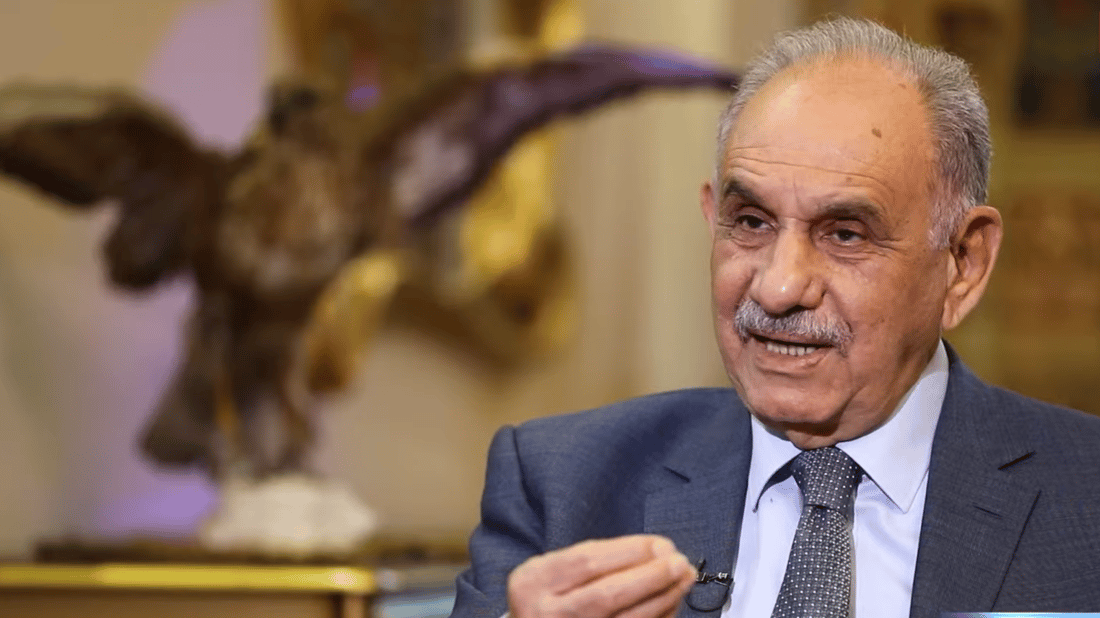
BAGHDAD — Iraqi Sunni politician Saleh al-Mutlak criticized the Shiite Coordination Framework and rejected efforts to replicate its structure in other political factions, calling it a tool for dividing positions and benefits rather than serving public interest.
“What has the Shiite Coordination Framework offered the country to justify forming a similar one for another component?” he said in an interview with Zagros TV. “This matter is nothing more than a division of benefits and positions among these components.”
Major Sunni political parties on Sunday announced the formation of the National Political Council, a joint bloc they say will coordinate positions across the sixth parliamentary cycle and serve as a unified counterpart to the Shia Coordination Framework, which leads the current government.
He added that the Framework’s experience had failed to deliver for communities such as Diwaniyah and Samawah, where poverty remains high. “We must not repeat ineffective experiences like that of the Framework, because they have provided nothing to their own people,” he said.
The Coordination Framework is a coalition of Shiite political parties in Iraq.
Excerpts from Saleh Al-Mutlak’s interview with Zagros TV:
What has the Shiite Coordination Framework offered the country to justify forming a similar one for another component? This matter is nothing more than a division of benefits and positions among these components.
We must not repeat ineffective experiences like that of the Framework, because they have provided nothing to their own people. What have they provided for Diwaniyah or Samawah, where the poverty rate is 50%? These experiences lead to competition among components rather than competition for the country’s interest.
Muqtada al-Sadr will not accept being part of the Framework, and they wish he would join them.
No one can know Sayyid Muqtada al-Sadr’s future moves. He makes his decisions himself, and just as he is dissatisfied with the election results, I am also dissatisfied, because these elections are for those who have the most money.
But the Framework’s step of including figures such as al-Abadi and Humam Hammoudi and giving them positions is a good move. This is what the Sunni Framework needs—to bring in figures with social weight and strong regional and international relations, and not to limit their group to leaders of the winning blocs only.
Iran has a significant and direct influence on some Sunni leaders. It previously distributed positions under its influence, and it is playing a role in the new Sunni formation.
The formation of a committee to interview prime ministerial candidates is only to preserve the symbolism of the Framework. It is unreasonable to interview Mr. Maliki or Mr. Sudani or ask them to submit CVs. The important question is: would Maliki accept to be interviewed by a committee for the premiership?
The conflict between Iran and the United States affects the selection of the prime minister. If the United States is serious about changing Iraq’s situation, it will play a role in choosing the prime minister, whether others accept it or not.
If the Coordination Framework selects a candidate not acceptable to Washington, this means dragging the country into problems.