
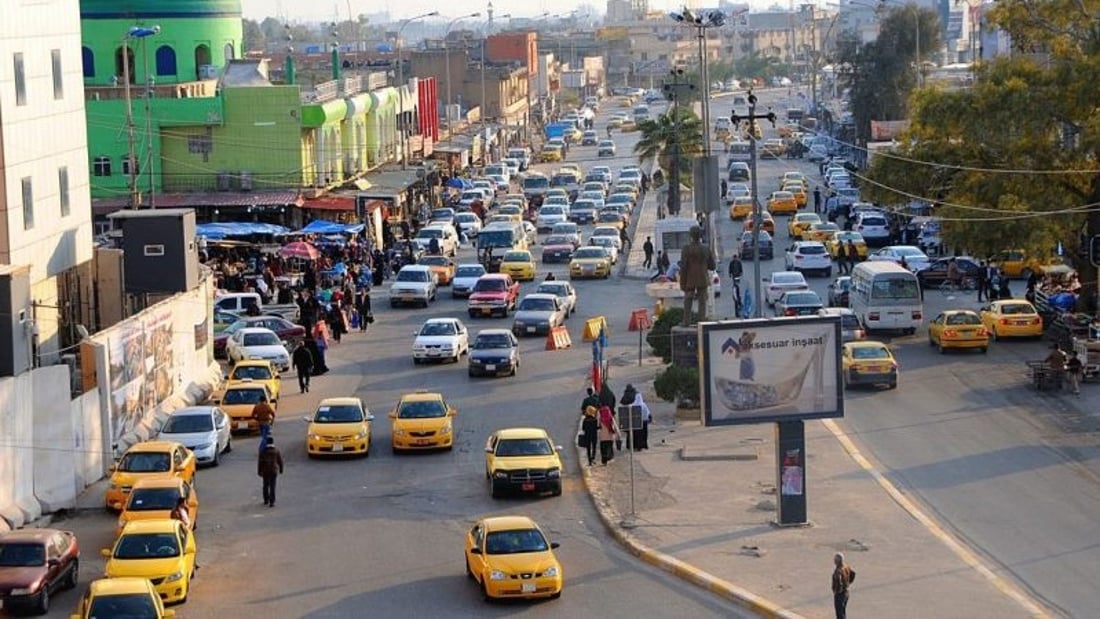
A view of Kirkuk city.
Four fatalities so far
Kirkuk forms crisis cell to combat hemorrhagic fever outbreak
KIRKUK — Authorities in Kirkuk have formed a crisis cell under the supervision of the governor to address a rise in hemorrhagic fever cases, a local veterinary official said Sunday.
Hiba Akram, spokesperson for Kirkuk’s Veterinary Directorate, told 964media that the cell, during its first meeting, decided to ban the entry and exit of animals into and out of Kirkuk Governorate. The movement of animals within residential areas has also been prohibited.
Hemorrhagic fever, a viral infection transmitted through contact with infected animals, their meat, or tick bites, has become a recurring concern in Iraq, particularly in agricultural regions where human-animal contact is frequent.
The crisis cell also ordered a ban on unauthorized animal slaughter, prohibited the keeping of livestock in populated areas, and called for the closure and investigation of unlicensed butcher shops that fail to meet health standards.
Kirkuk has recorded several cases of hemorrhagic fever, resulting in four deaths so far — including a health worker, a butcher, a pregnant mother, and another individual who had been discharged from the hospital but later died.
As of April 24, the Iraqi Ministry of Health confirmed that cases of hemorrhagic fever have risen to 26 across the country since the beginning of the year.
The Kurdistan Region’s Ministry of Health issued public health guidance for Eid Al-Adha, urging residents to use only approved slaughterhouses and follow strict protective measures when slaughtering animals to avoid exposure to blood and tissue.