GCC Signs Agreement to Supply Iraq with 3.94 Terawatt-Hours of Electricity Annually
Boosting energy security
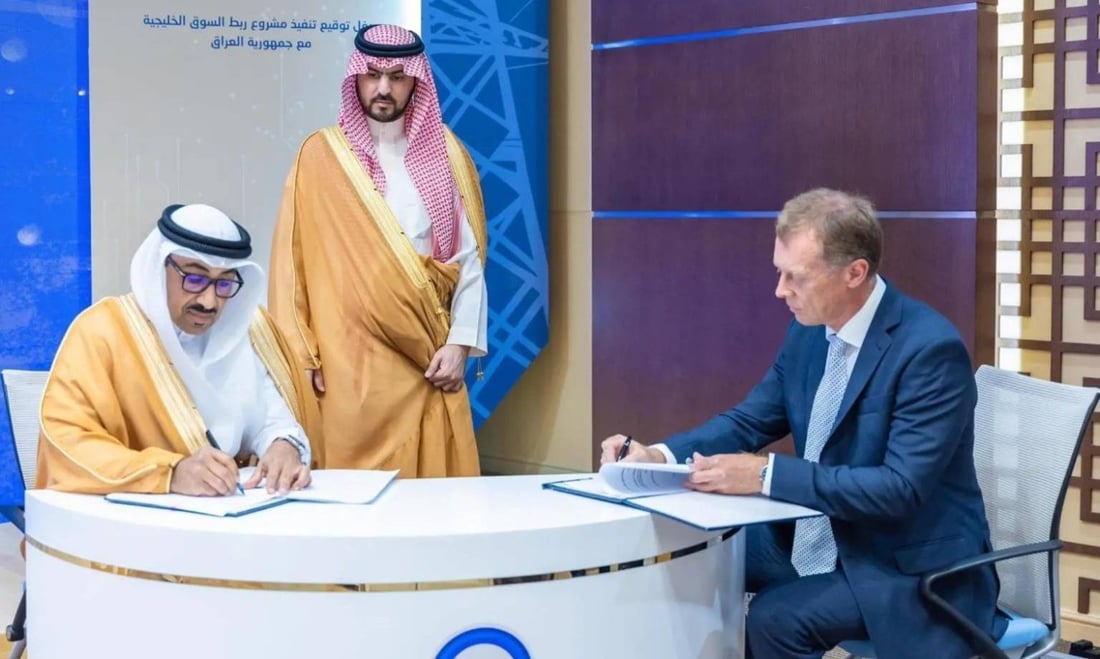
Gulf Cooperation Council signs agreement for electricity market connection with Iraq
NEWSROOM – The Gulf Cooperation Council signed an agreement on Wednesday to implement the Gulf electricity market connection with Iraq, a project aimed at providing Iraq with approximately 3.94 terawatt-hours of electricity annually. This initiative is expected to offer competitive prices lower than Iraq’s domestic production costs, significantly reducing public expenditures.
The signing ceremony took place at the headquarters of the GCC Interconnection Authority in Dammam, Saudi Arabia, according to a statement from the GCC.
Prince Saud highlighted that the project would contribute to Iraq’s sustainable energy supply, support local development projects, and stabilize Iraq’s power grid. “This initiative will reduce dependence on costly traditional energy sources and improve the efficient use of available resources,” he said.
He also noted the strategic nature of the GCC electricity interconnection project, which promotes economic and social cooperation between GCC countries and neighboring nations. Gulf leaders fully back the project to ensure regional energy security and stability.
Iraq has long faced chronic power shortages, with the national grid struggling to meet growing demand. Frequent blackouts, particularly during the scorching summer months, continue to plague the country. Despite Iraq’s wealth in oil and gas resources, years of conflict, underinvestment, and mismanagement have severely damaged its electricity infrastructure. Iraq relies heavily on electricity and natural gas imports from neighboring countries like Iran to meet its energy needs.
Engineer Ahmed Al-Ibrahim, CEO of the GCC Interconnection Authority, described the Gulf electricity interconnection as one of the most vital infrastructure projects endorsed by GCC leaders. He emphasized the project’s significant economic benefits and its success in preventing power outages across the Gulf. “We have achieved 100% reliability in preventing partial or complete blackouts by providing immediate support during emergencies through the interconnection grid, which spans over 1,000 kilometers from Kuwait to Oman,” Al-Ibrahim said.