
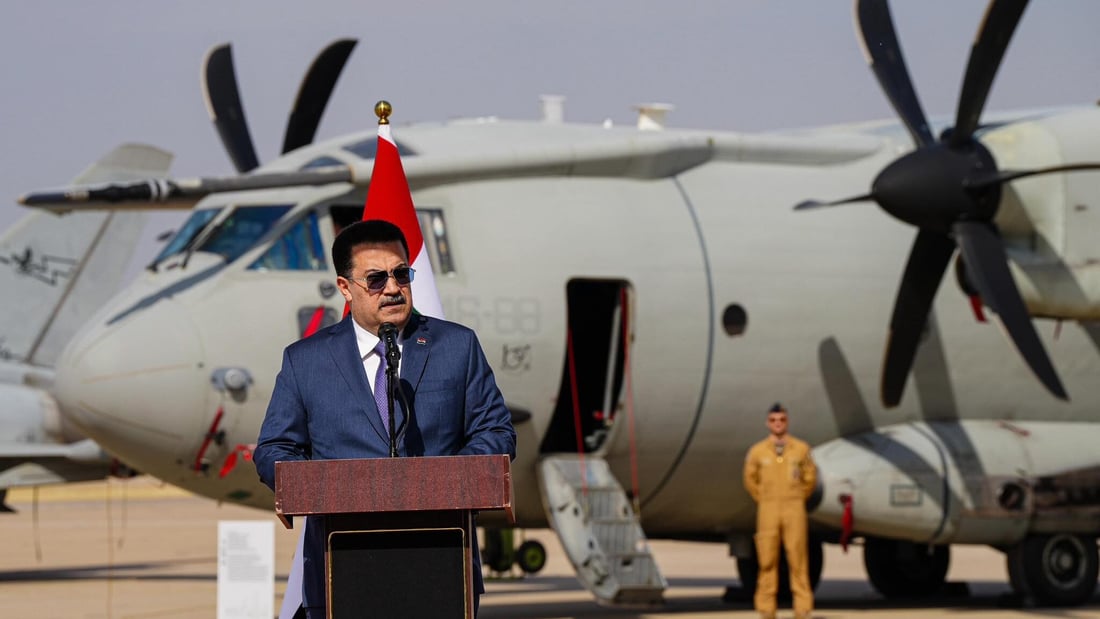
Iraq rejects use of its territory for attacks, urges restraint amid regional escalation
BAGHDAD — Iraq on Thursday reaffirmed its rejection of any use of its land, airspace or territorial waters as a base for military action against another country, renewing calls for restraint and dialogue as regional tensions intensify.
Sabah al-Numan, spokesman for the commander in chief of the armed forces, said in a statement received by 964media that “in light of the accelerating regional developments, and the accompanying escalation and threats affecting the security and stability of the region, the Republic of Iraq affirms its firm and principled position rejecting the use of its territory, airspace or territorial waters as a starting point for any military actions targeting any country.”
Al-Numan said the position is rooted in the Iraqi Constitution and the government’s policy of respecting state sovereignty and non-interference. He added that Iraq is fully committed to “not allowing its territory to become an arena for threatening the security and stability of all neighboring regional states, or dragging it into conflicts that do not serve the interests of its people.”
The statement said the government renews “its call to all concerned parties to exercise restraint, prioritize the language of dialogue, avoid escalation, and work seriously to resolve disputes through peaceful and diplomatic means, in line with the principles of international law and the Charter of the United Nations, and to spare the region further tension and instability.”
The remarks come as the Middle East faces heightened volatility, including widespread unrest in Iran that began in late December over economic conditions and expanded into broader anti-government protests. Iranian authorities imposed a near-total internet blackout on Jan. 8, sharply limiting communication and independent reporting.
Human rights groups and international media have reported sharply differing estimates of the death toll from the subsequent security crackdown, ranging from several hundred to claims of thousands killed, amid mass arrests and the use of force against demonstrators.
Against that backdrop, former U.S. President Donald Trump warned Tehran this week that the United States could intervene if Iranian forces continued killing protesters.
However, he said last night that he had been told Iran had no current plans to carry out executions, though analysts and rights groups have continued to express grave concern about the scale of the violence and the lack of transparency.