
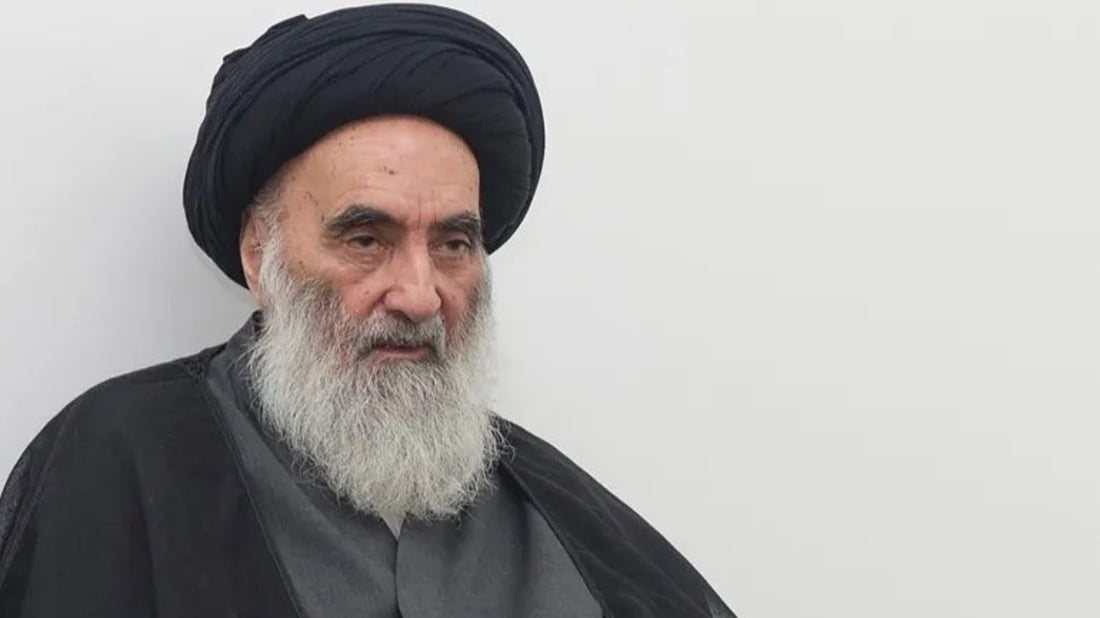
Grand Ayatollah Ali Al-Sistani
Monitor
Iraq’s top Shia cleric condemns humanitarian crisis in Gaza, urges aid access
NAJAF — Iraq’s top Shia cleric, Grand Ayatollah Ali al-Sistani, on Friday condemned the deepening humanitarian crisis in Gaza, warning that famine and widespread destruction have left civilians—particularly children, the elderly, and the sick—in dire conditions.
In a statement released by his media office, al-Sistani described the situation as the result of “nearly two years of continuous killing and destruction.” He called on Arab and Islamic nations to intensify their efforts to end what he labeled a “major humanitarian catastrophe” and to pressure Israel and its allies to allow the immediate delivery of food and essential supplies to the civilian population.
“The suffering spares neither children, the sick, nor the elderly,” the statement said.
On Wedensday, the Iraqi government issued a separate statement condemning what it described as the “ongoing brutal siege” imposed by Israeli forces on Gaza. Baghdad called the blockade a “grave violation of human dignity” and urged the international community to intervene and ensure the entry of humanitarian aid.
The statements come as conditions in Gaza continue to deteriorate following the Oct. 7, 2023, Hamas-led attack on Israel that killed about 1,200 people and triggered an ongoing Israeli military response. Since then, Gaza’s health authorities say more than 54,000 Palestinians have been killed and over 123,000 injured. Humanitarian organizations are increasingly warning of mass famine, disease outbreaks, and the collapse of the healthcare system amid severe shortages of food, fuel, and medicine.
Statement from Al-Sistani’s media office:
After nearly two years of continuous killing and destruction, which has resulted in hundreds of thousands of martyrs and wounded, and the demolition of entire cities and residential complexes, the oppressed Palestinian people in the Gaza Strip are currently suffering from extremely dire living conditions—particularly due to the scarcity of food supplies that has led to widespread famine, sparing neither children, the sick, nor the elderly.
While such brutal behavior by the occupying forces is expected as part of their ongoing attempts to displace Palestinians from their homeland, it is expected of the countries of the world—especially the Arab and Islamic nations—not to allow this major humanitarian catastrophe to continue.
Rather, they must intensify their efforts to end it and exert all possible pressure to compel the occupying entity and its supporters to allow the delivery of food and other essential supplies to innocent civilians as soon as possible.
The horrifying scenes of famine spreading throughout the Strip, as shown in media coverage, do not allow any person with a conscience to enjoy food or drink in peace. Indeed—as Imam Ali ibn Abi Talib (peace be upon him) said regarding an attack on a woman in Muslim lands—“If a Muslim were to die of grief after this, he would not be blameworthy; rather, he would be worthy of such sorrow in my view.”