
'Sour sweet'
The balanced flavor of Hit tomatoes captivates Baghdad
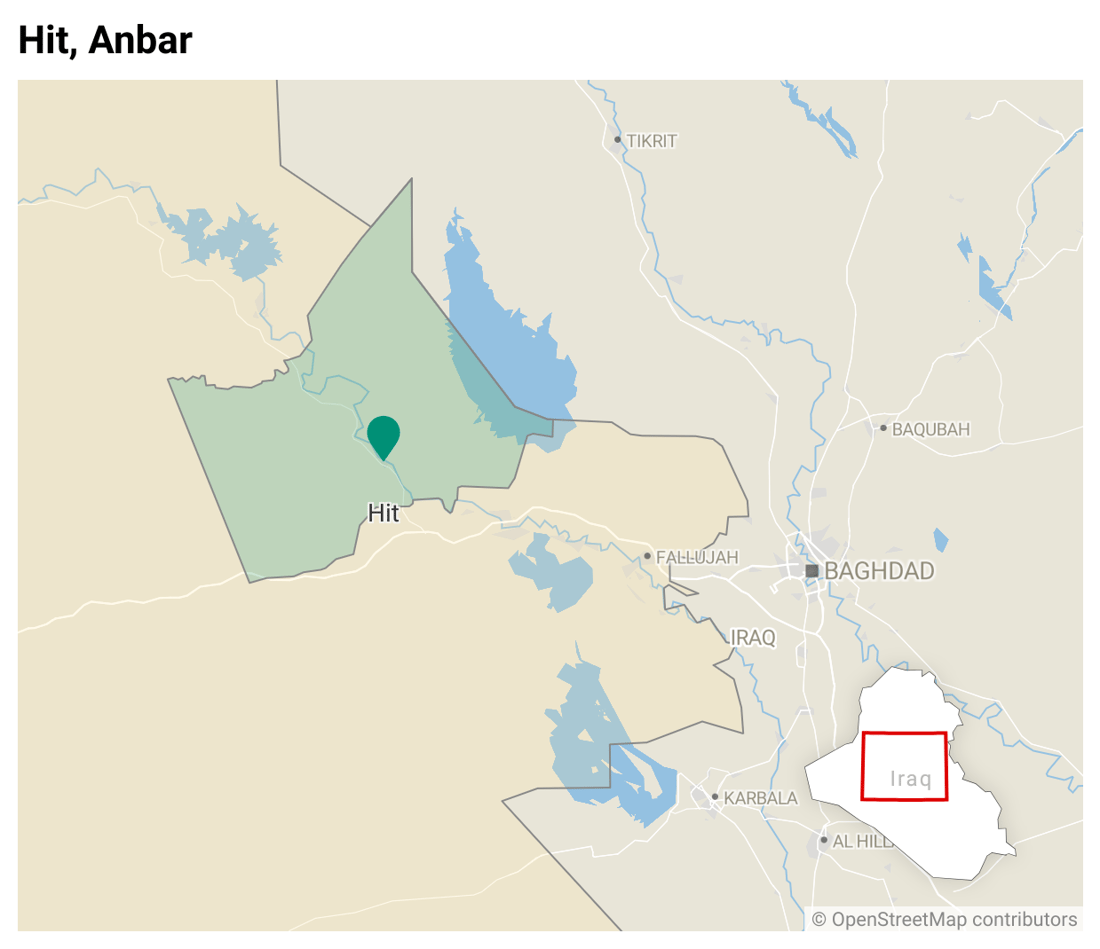
HIT, ANBAR — The tomato farms in Hit have seen a significant boost in profits this season, doubling their earnings compared to the previous year. For the first time, these farms have exported their produce to cities beyond Anbar, including Baghdad, rather than limiting sales to local markets within the governorate.
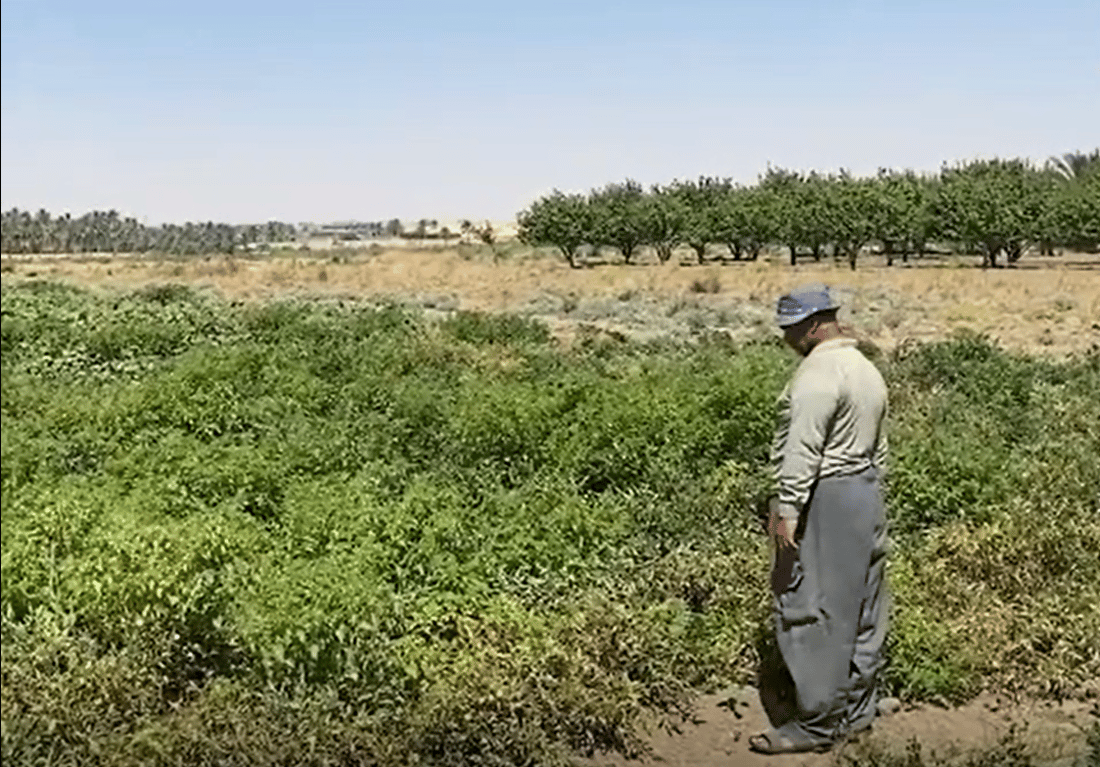
Munif Hujeiji, a farmer standing in his fields in the village of Khazariya in Al-Baghdadi district, west of Hit, cultivates only the “Hitawi” tomato. This medium-sized variety is prized for its balanced sweet and sour flavor. Hujeiji’s farm produces around 300 kilograms of these tomatoes daily, with the potential to increase to a ton with government support.
“Tomato planting starts in February, with seedlings being transplanted as they reach a certain size. Harvesting begins in June and continues until August,” Hujeiji explained. Despite the challenges, he remains committed to cultivating “Hit tomatoes,” but he joins other Iraqi farmers in calling for a halt to crop imports during the harvest season.
Hujeiji described the cultivation process: “We plant the tomato seedlings, or ‘Daya,’ at the beginning of February in designated areas to protect them from weather conditions. We then transfer them to the farm for care, including fertilizing, cleaning, and watering. Harvesting begins in June and continues until mid-August.”
Previously, Hitawi tomatoes were only in demand locally within Hit. However, this season has seen a surge in popularity, spreading to Haditha, Ramadi, and other areas of Anbar, as well as Baghdad. The increased demand has significantly driven up prices.
“The price of Hitawi tomatoes reached 1250 dinars per kilogram this season, a substantial increase from last season’s 500 dinars. This rise in price is due to increased demand from outside Hit. There’s nothing like the taste of local produce,” Hujeiji said.
Despite the success, Hujeiji pointed out the lack of government support and the competition from imported goods during the harvest season as ongoing challenges. He emphasized the need for government intervention to limit imports during critical harvest periods to help local farmers thrive.
“This farm produces between 200-300 kilograms of tomatoes daily, and with support, we could produce a ton daily. However, we will not stop growing tomatoes, with or without support,” Hujeiji concluded.